The global construction and architectural materials market has changed dramatically over the last decade. Buyers are no longer searching for products alone—they are searching for reliable systems, long-term suppliers, and scalable sourcing solutions. At the center of this transformation is one product category that quietly supports thousands of modern projects worldwide: Stainless Steel Railing Fittings.
From residential balconies and luxury staircases to commercial terraces and large-scale infrastructure projects, stainless steel railing fittings are no longer just accessories. They are structural, aesthetic, and safety-critical components. For importers, distributors, wholesalers, and project contractors, buying in bulk is not simply about saving money—it is about securing quality consistency, supply stability, and long-term profit margins.
This guide is designed for serious buyers. If you are sourcing Stainless Steel Railing Fittings at scale, this article will help you understand pricing structures, material grades, quality standards, supplier verification, logistics planning, and how to build a profitable bulk procurement strategy. Along the way, you will also discover how modern railing design trends influence demand and why stainless steel continues to dominate architectural systems worldwide.
Modern architecture has embraced clean lines, transparency, and structural simplicity, a concept deeply rooted in modern design philosophy that emphasizes functionality and form over ornamentation. This design direction, often associated with Modern_architecture, naturally supports stainless steel and glass railing systems, making high-quality fittings more valuable than ever.
Why Stainless Steel Railing Fittings Dominate the Global Market
Stainless steel is not popular by accident. It offers a rare combination of strength, corrosion resistance, design flexibility, and long service life. When used in railing systems, fittings are the hidden backbone that determines durability, safety, and visual quality.
Unlike aluminum or coated steel alternatives, stainless steel fittings do not rely on surface coatings for protection. Their corrosion resistance comes from the alloy structure itself. This makes them ideal for coastal regions, humid climates, outdoor installations, and high-traffic commercial spaces.
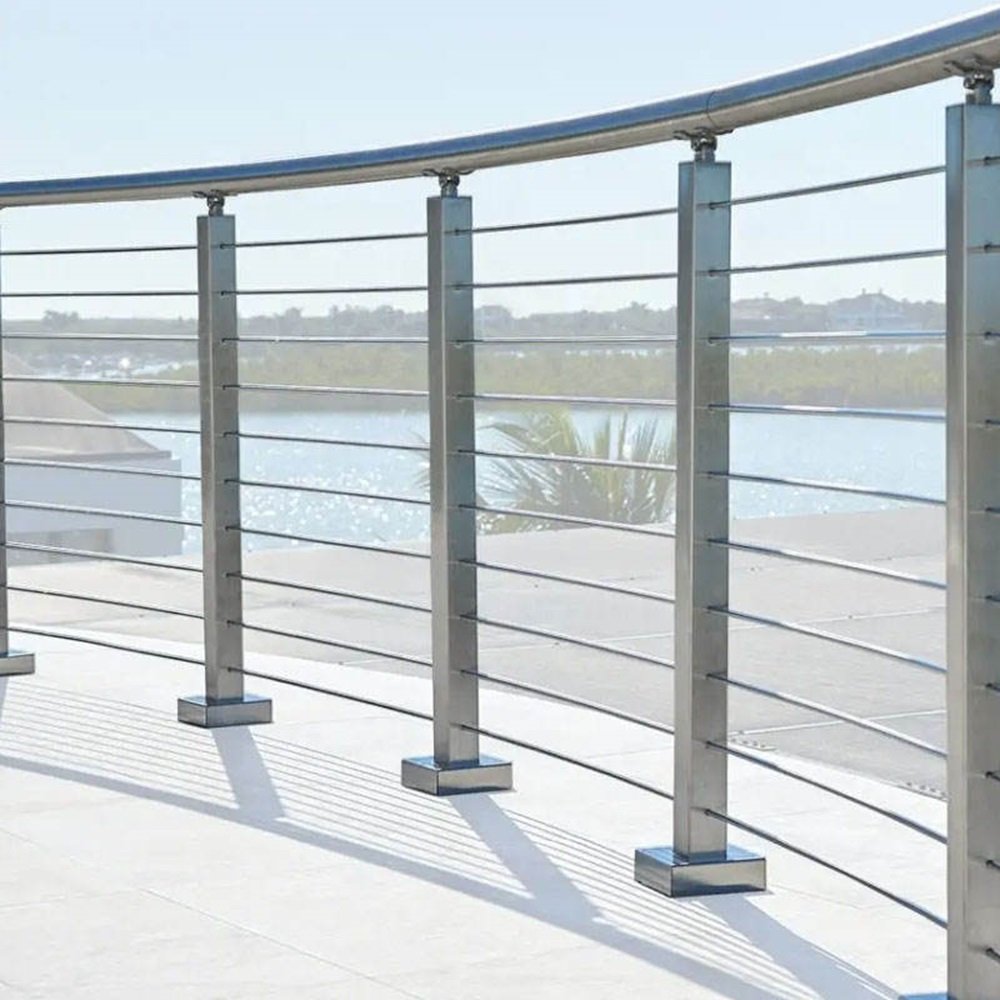
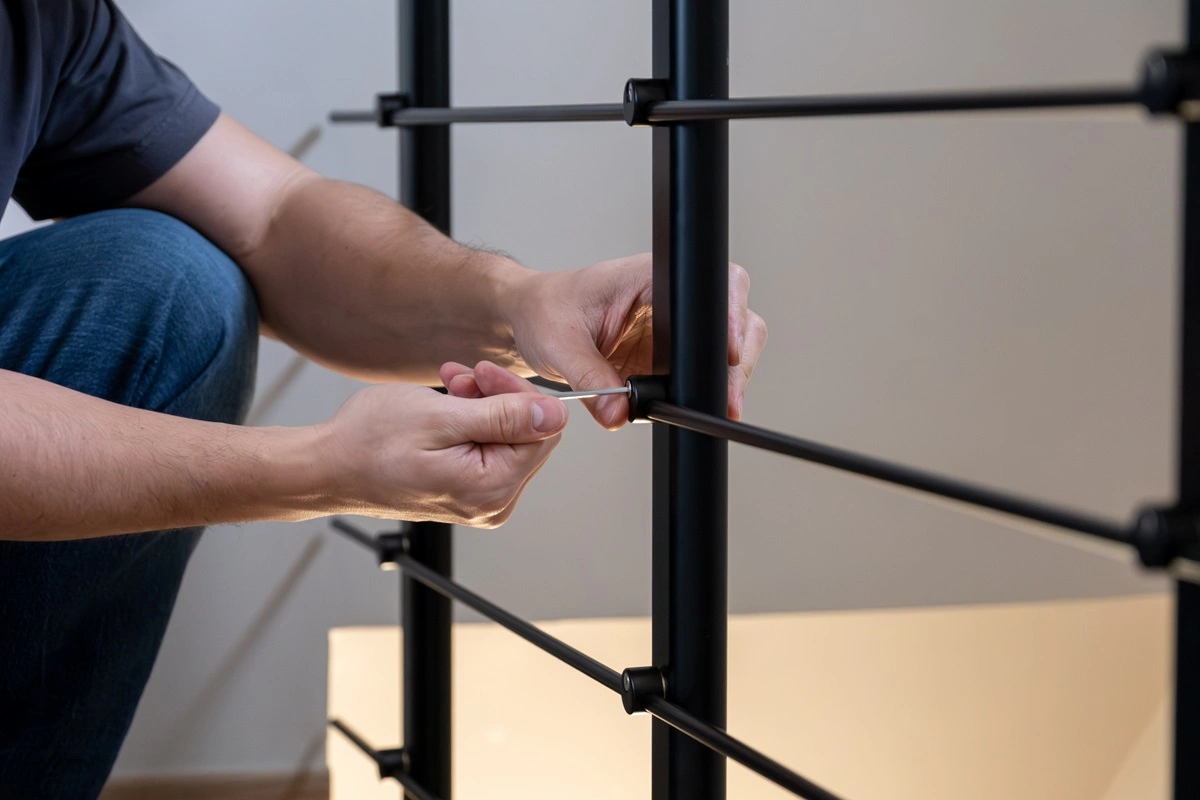
Another key advantage is compatibility. Stainless steel railing fittings integrate seamlessly with glass, cable, wood, and composite systems. This flexibility allows architects and designers to create modular systems instead of custom fabrications, reducing costs and installation time.
For importers, this versatility creates stable, repeat demand across multiple industries. Residential projects, hotels, shopping malls, airports, public infrastructure, and luxury villas all rely on the same core fitting categories, which simplifies inventory planning and forecasting.
Bulk Pricing in the Stainless Steel Railing Fittings Market
Wholesale pricing for Stainless Steel Railing Fittings is influenced by multiple variables. Unit price alone does not tell the full story. Smart importers evaluate the total landed cost, not just factory pricing.
The most important pricing factors include raw material grade, production method, surface finish, certification, packaging, and order volume. A 304-grade fitting with brushed finish will cost significantly less than a 316-grade mirror-polished fitting designed for marine environments. However, the higher-grade product often delivers better long-term value due to reduced corrosion risk and longer service life.
Order quantity also plays a critical role. Bulk purchasing reduces per-unit manufacturing costs, packaging costs, and shipping costs. Suppliers often offer tiered pricing models, where unit prices drop as volume thresholds increase. This pricing structure rewards importers who plan long-term procurement instead of one-time purchases.
Shipping method further affects bulk economics. Sea freight drastically reduces cost per unit compared to air freight, making it the preferred option for large orders. Container optimization, pallet configuration, and packaging design also influence freight efficiency and damage risk.
Material Grades and Their Impact on Import Decisions
Choosing the right material grade is one of the most important decisions in bulk sourcing. Not all stainless steel is created equal.
304 stainless steel is widely used for indoor and low-moisture environments. It offers good corrosion resistance and strong mechanical properties at a lower price point. For interior railings, staircases, and dry climates, it remains a cost-effective option.
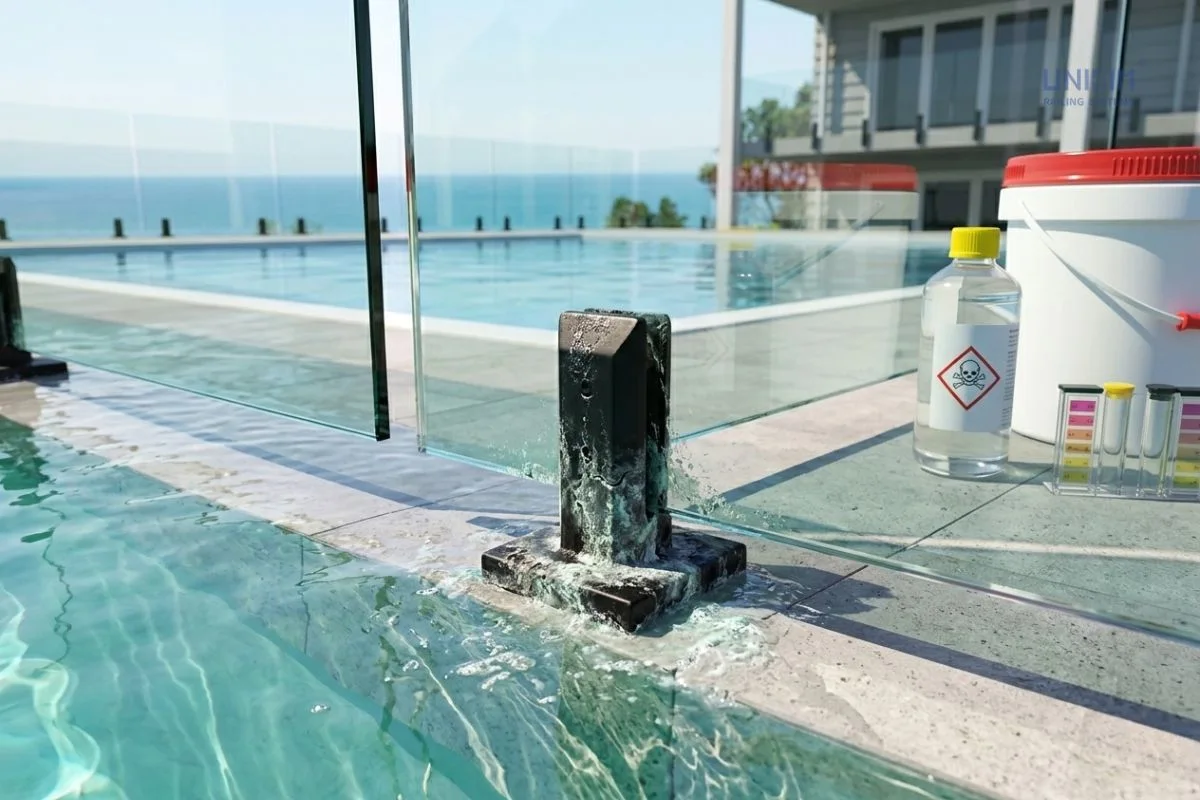
316 stainless steel contains molybdenum, which significantly improves corrosion resistance. This makes it ideal for coastal areas, swimming pools, marine environments, and outdoor installations exposed to salt air and humidity. Although the cost is higher, the lifecycle value is often superior due to reduced maintenance and replacement needs.
For premium projects, mirror-polished finishes are often used, especially in luxury spaces. You can see how these finishes elevate architectural design in premium installations like mirror polished glass railing systems for luxury spaces, where fittings are not just functional but part of the visual identity.
Product Categories Importers Should Focus On
Bulk buyers should prioritize high-demand categories that move consistently across markets. These include handrail connectors, glass clamps, base plates, cable fittings, post brackets, bar holders, and square tube connectors.
Modular systems are especially valuable because they allow importers to serve multiple project types with one inventory structure. For example, systems used in staircase installations can also be adapted for balconies and terraces. This modularity is clearly visible in modern railing systems showcased at inox stainless steel glass staircase railing.
Specialized fittings like square tube connectors are also gaining popularity due to modern architectural trends. Products such as square tube fittings for stainless steel handrails demonstrate how structural simplicity and clean geometry drive demand.
The Role of Design Trends in Bulk Demand Growth
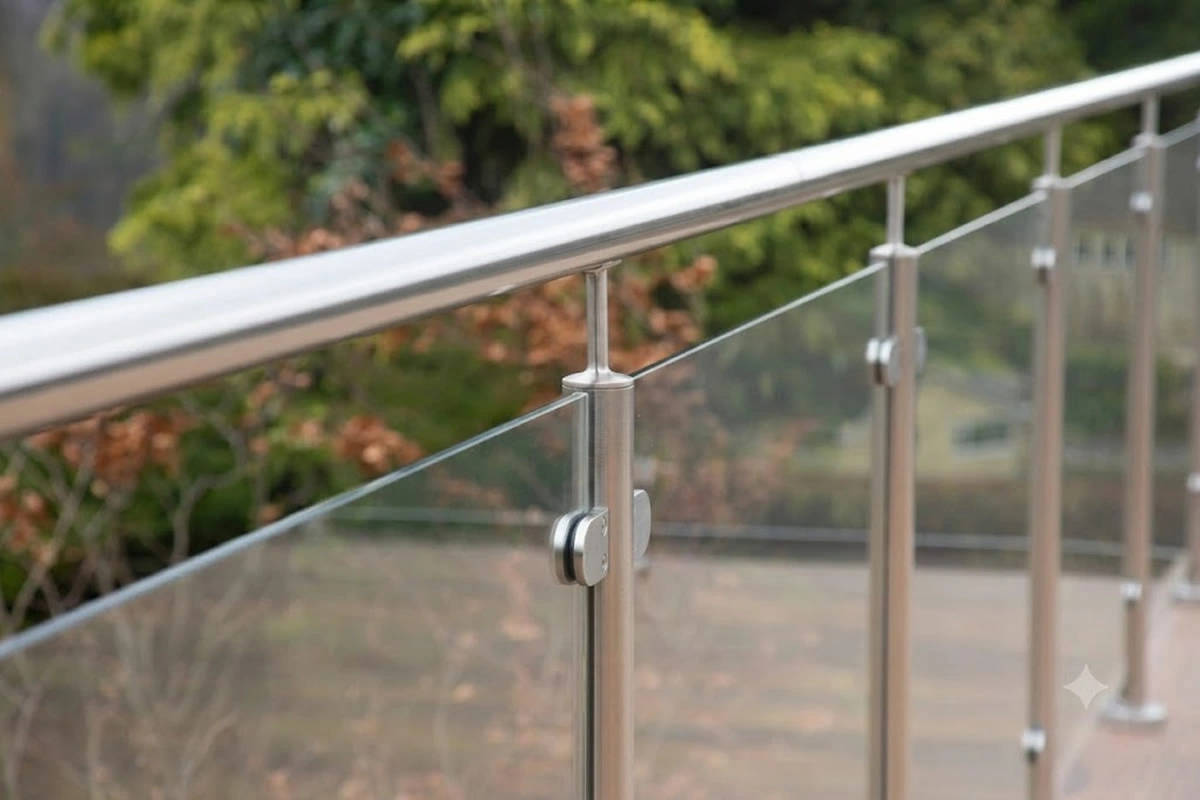
Architectural trends directly influence purchasing patterns. Glass railings, cable systems, and minimalist balcony designs are becoming standard across residential and commercial projects. This shift increases demand for high-precision fittings that support transparency and open spaces.
Balcony systems are evolving rapidly, as shown in design concepts like modern balcony glass railing ideas. These systems rely heavily on stainless steel railing fittings for both structure and safety compliance.
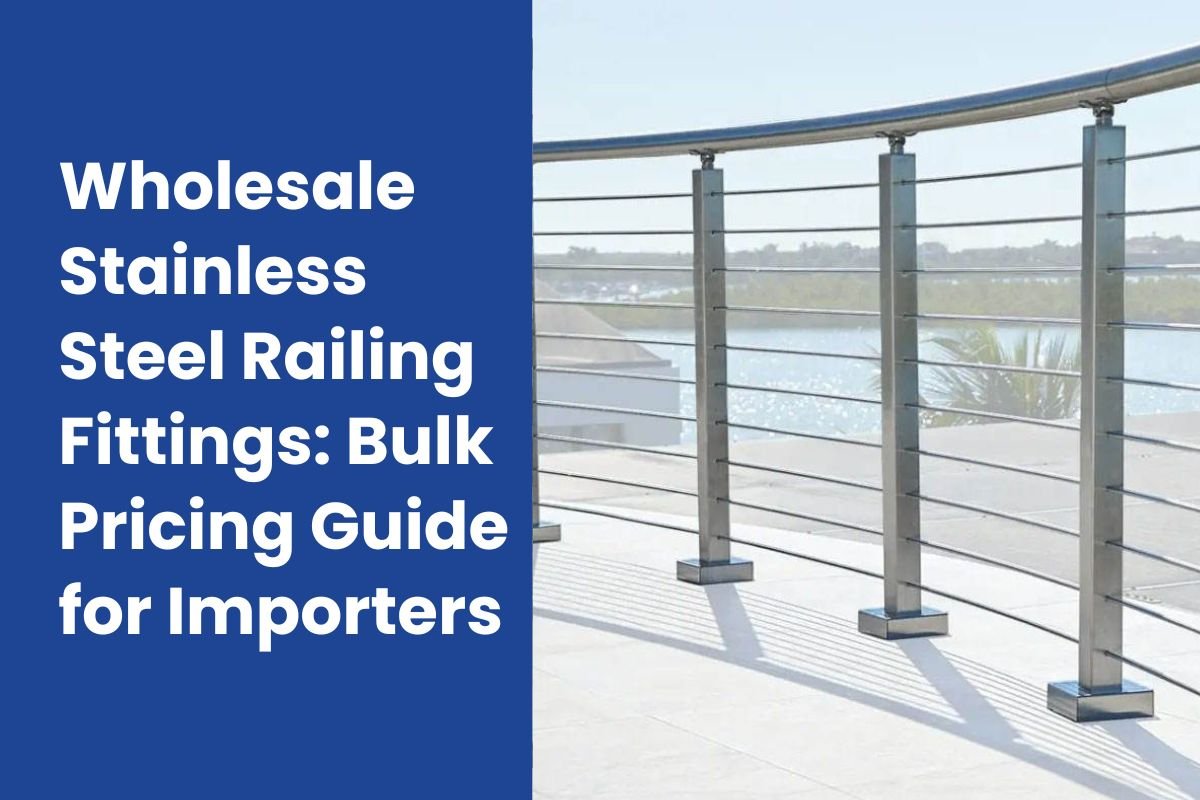
Cable railing systems are another fast-growing segment. Their visual lightness and structural strength make them ideal for stairs and decks. Installations such as best stainless steel cable railing system for stairs highlight how fittings serve both engineering and design functions.
Future-focused insights, such as those discussed in top trends stainless steel cable railing systems 2026, show that stainless steel fittings will remain a long-term growth market rather than a short-term trend.
Quality Control and Certification in Bulk Imports
Quality consistency is the foundation of profitable importing. A single defective batch can damage brand trust, delay projects, and create legal risks.
Importers should demand mill test certificates, material composition reports, and corrosion resistance documentation. Surface finish quality must be consistent across batches, especially for visible installations. Even minor polishing inconsistencies can affect perceived quality in premium projects.
Factory audits, sample approvals, and production inspections help prevent quality failures. Reputable manufacturers often provide transparency in production processes, as seen with industrial suppliers such as unikimchina.en.made in china and educational content from professional manufacturers like youtube, which showcase production standards and manufacturing workflows.
Logistics, Packaging, and Supply Chain Planning
Bulk imports are not just about buying products. They are about managing logistics systems.
Proper packaging prevents surface damage, corrosion exposure, and transport losses. Vacuum-sealed packaging, anti-rust paper, and protective film are essential for long-distance shipping. Palletization and container planning improve freight efficiency and reduce handling damage.
Long-term importers also benefit from predictable delivery cycles. Establishing supply schedules allows better inventory planning, cash flow management, and customer delivery commitments.
Why Partnering With the Right Supplier Matters
The most successful importers do not chase the cheapest price. They build supplier relationships based on reliability, quality consistency, and long-term scalability.
Strong suppliers offer product customization, technical support, stable production capacity, and quality traceability. They also adapt to market trends and regulatory changes.
Platforms like unikim serve not only as product suppliers but also as knowledge hubs for railing systems, offering insights on design, maintenance, and system integration. Educational resources such as how to maintain stainless steel cable systems help importers support their customers after installation, creating added value beyond product supply.
Sustainability and Long-Term Market Value
Stainless steel is one of the most sustainable construction materials available. It is fully recyclable, durable, and has a long service life. These factors make stainless steel railing fittings increasingly attractive in markets focused on sustainability standards and green building certifications.
Durable materials reduce replacement cycles, waste generation, and long-term environmental impact. For importers, this translates into long-term brand positioning and compliance with evolving building regulations.
Building a Profitable Wholesale Strategy
Profitability comes from structure, not just margin.
Successful importers standardize core product lines, build modular inventories, and focus on long-term supplier partnerships. They use data-driven forecasting, diversified shipping strategies, and quality-focused branding.
By aligning with platforms such as unikim and integrating system-based solutions instead of individual products, wholesalers create scalable business models that grow with market demand.
Summary
Stainless Steel Railing Fittings are not just construction components—they are strategic assets in modern building systems. For importers, wholesalers, and distributors, bulk sourcing offers more than cost savings. It creates long-term supply stability, quality control, brand trust, and scalable business growth.
By focusing on material quality, supplier relationships, logistics planning, and market trends, businesses can transform stainless steel fittings into a reliable profit engine. With platforms like unikim providing integrated systems, design inspiration, and product support, the future of bulk stainless steel railing fittings sourcing is not just profitable—it is sustainable, scalable, and strategically secure.
FAQs
What makes Stainless Steel Railing Fittings ideal for bulk importing?
Stainless Steel Railing Fittings offer durability, corrosion resistance, and universal compatibility, making them reliable for large-scale sourcing and long-term resale markets.
How do I reduce costs when importing Stainless Steel Railing Fittings in bulk?
Cost reduction comes from volume-based pricing, optimized container shipping, standardized product lines, and long-term supplier contracts for Stainless Steel Railing Fittings.
Which grade is better for coastal projects using Stainless Steel Railing Fittings?
316-grade Stainless Steel Railing Fittings are better for coastal and marine environments due to superior corrosion resistance.
How can I ensure quality consistency in Stainless Steel Railing Fittings imports?
Quality consistency requires factory audits, sample approvals, material certifications, and batch inspections for Stainless Steel Railing Fittings.
Are Stainless Steel Railing Fittings future-proof for modern construction?
Yes, Stainless Steel Railing Fittings align with modern architecture trends, sustainability standards, and long-term durability requirements.