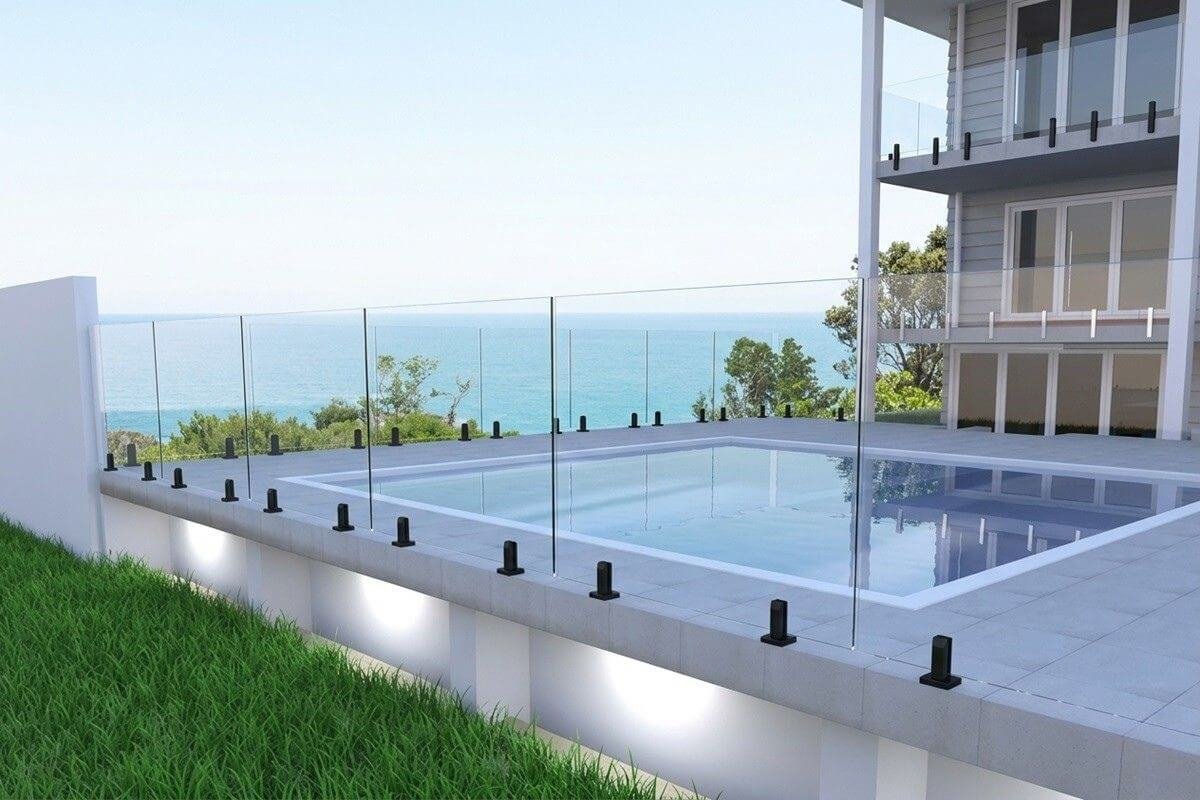
In high-end architecture, details are never just details. Every connection, junction, and finishing component carries visual, structural, and emotional weight. Among these critical elements, the stainless steel spigot has quietly become a favorite recommendation among leading architects working on premium residential, commercial, and hospitality projects.
At first glance, a spigot may seem like a simple structural accessory. In reality, it plays a decisive role in how a glass railing system looks, performs, and ages over time. From luxury villas overlooking the ocean to modern staircases in urban high-rises, architects consistently turn to stainless steel spigot solutions because they balance aesthetics, safety, longevity, and design freedom in a way few alternatives can.
This article explores why stainless steel spigot systems have become the gold standard for premium projects, how architects evaluate them, and what specifiers should consider when selecting the right solution for long-term value.
The Architectural Shift Toward Minimalist Structural Elements
Architecture has changed dramatically over the last two decades. Heavy visual barriers have given way to openness, transparency, and seamless transitions between spaces. Glass has become the dominant material for railings, balconies, and staircases—but glass alone cannot stand without intelligent support.
That is where the stainless steel spigot enters the conversation.
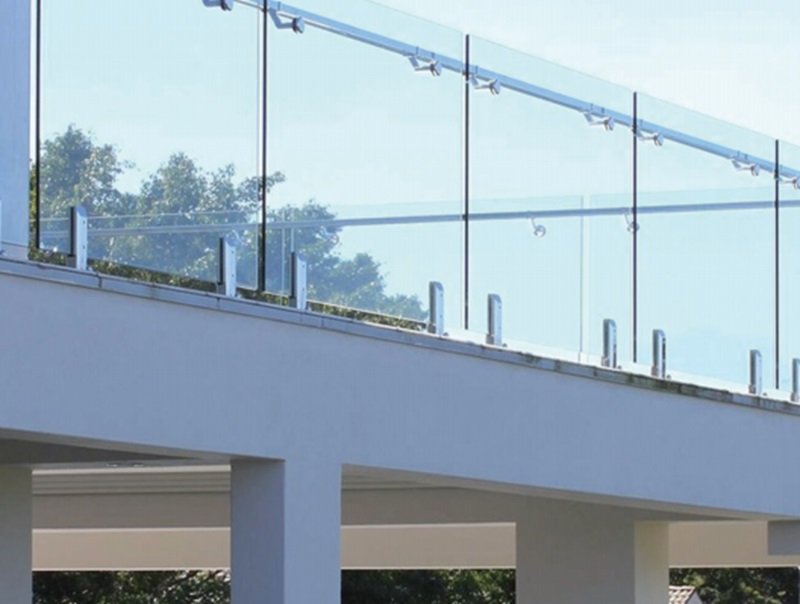
Unlike bulky posts or framed systems, spigots support glass panels from the bottom with minimal visual interruption. This allows architects to preserve sightlines while meeting strict safety codes. The result is a railing system that feels light, modern, and intentional rather than engineered as an afterthought.
On platforms like unikim, stainless steel spigot systems are frequently featured as core components of frameless glass railing designs, reflecting their growing importance in contemporary architectural language.
What Exactly Is a Stainless Steel Spigot?
A stainless steel spigot is a precision-engineered base clamp or post designed to secure glass panels without drilling through the glass itself. It anchors the glass to concrete, wood, or steel substrates while allowing micro-adjustments for perfect alignment.
Most premium projects specify spigots manufactured from 304 or 316 stainless steel, with 316 being the preferred choice for coastal, poolside, or chemically exposed environments due to its superior corrosion resistance.
Unlike traditional railing posts, spigots remain visually discreet. Their low profile makes them almost invisible from a distance, which is exactly what architects want when designing spaces that emphasize openness and flow.
Why Architects Prefer Stainless Steel Spigot Systems
Design Freedom Without Visual Compromise
Architects are trained to think in lines, proportions, and negative space. Bulky framing systems interrupt those lines. A stainless steel spigot, by contrast, acts as a quiet structural element that does its job without demanding attention.
This makes spigots ideal for projects where glass is meant to disappear into the environment—such as balconies with scenic views, rooftop terraces, or interior staircases flooded with natural light.
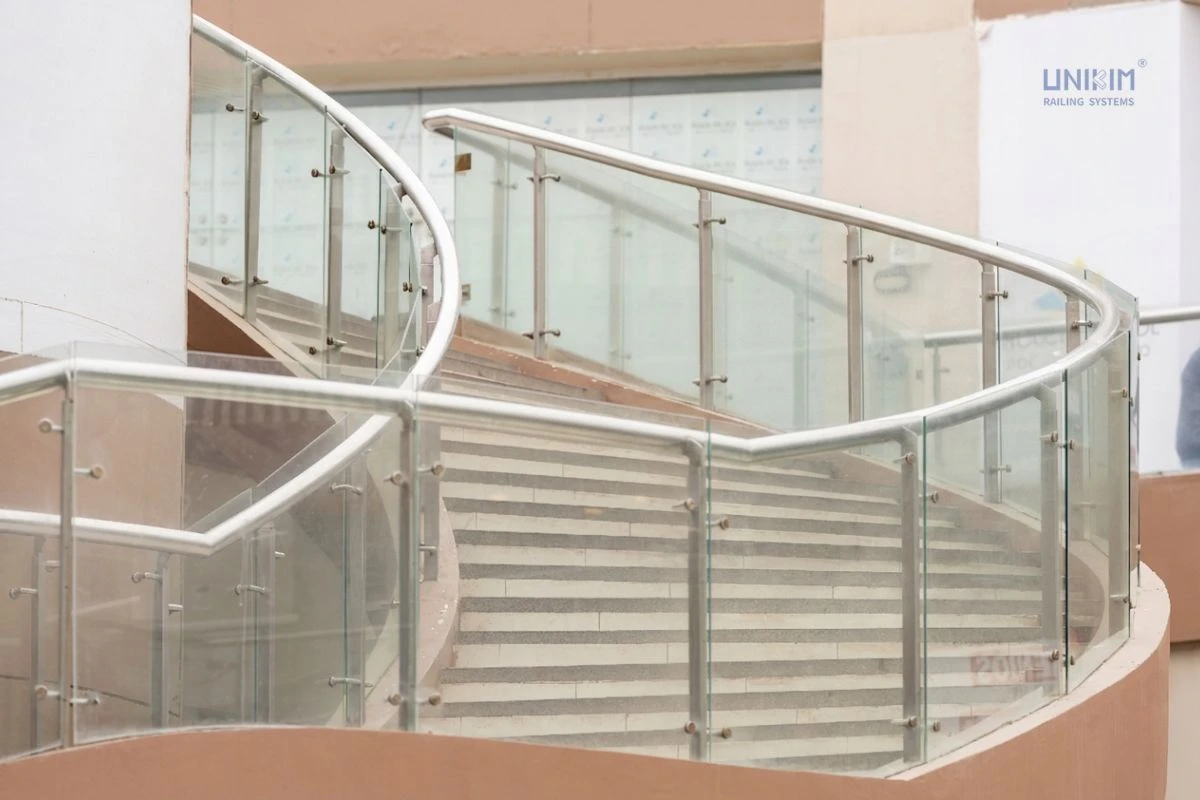
In stair applications, many designers pair spigots with modern cable systems, as seen in concepts discussed on best stainless steel cable railing system for stairs, creating cohesive material palettes that feel intentional and refined.
Structural Reliability That Meets Global Codes
Premium architecture does not compromise on safety. Stainless steel spigot systems are rigorously engineered to meet international building codes, including load resistance, impact performance, and glass retention standards.
High-quality spigots distribute loads evenly across the glass panel and anchoring surface. This reduces stress points and increases overall system longevity. Architects appreciate this predictability, especially when working on large-scale or high-traffic projects where liability and compliance matter.
Compared to aluminum or mild steel alternatives, stainless steel spigot solutions maintain structural integrity under long-term stress, temperature changes, and environmental exposure.
Long-Term Material Performance
One reason architects repeatedly recommend stainless steel spigot systems is their exceptional lifecycle performance.
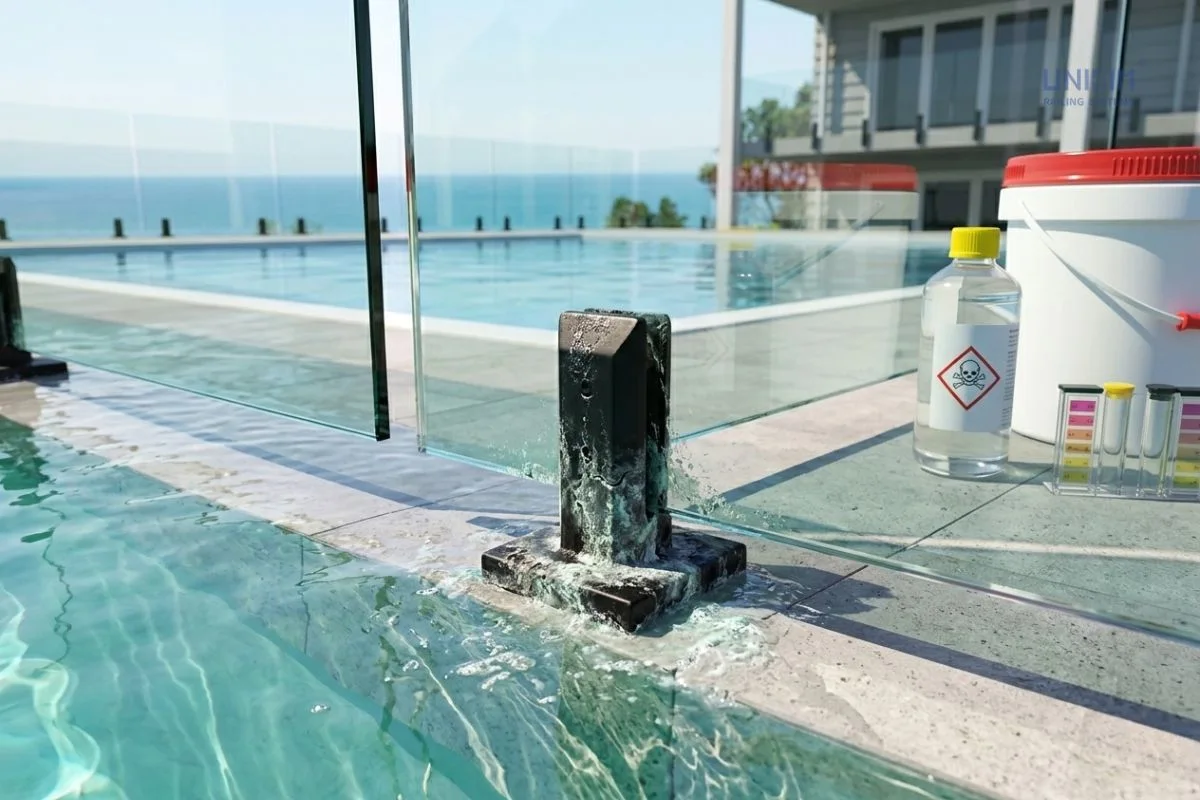
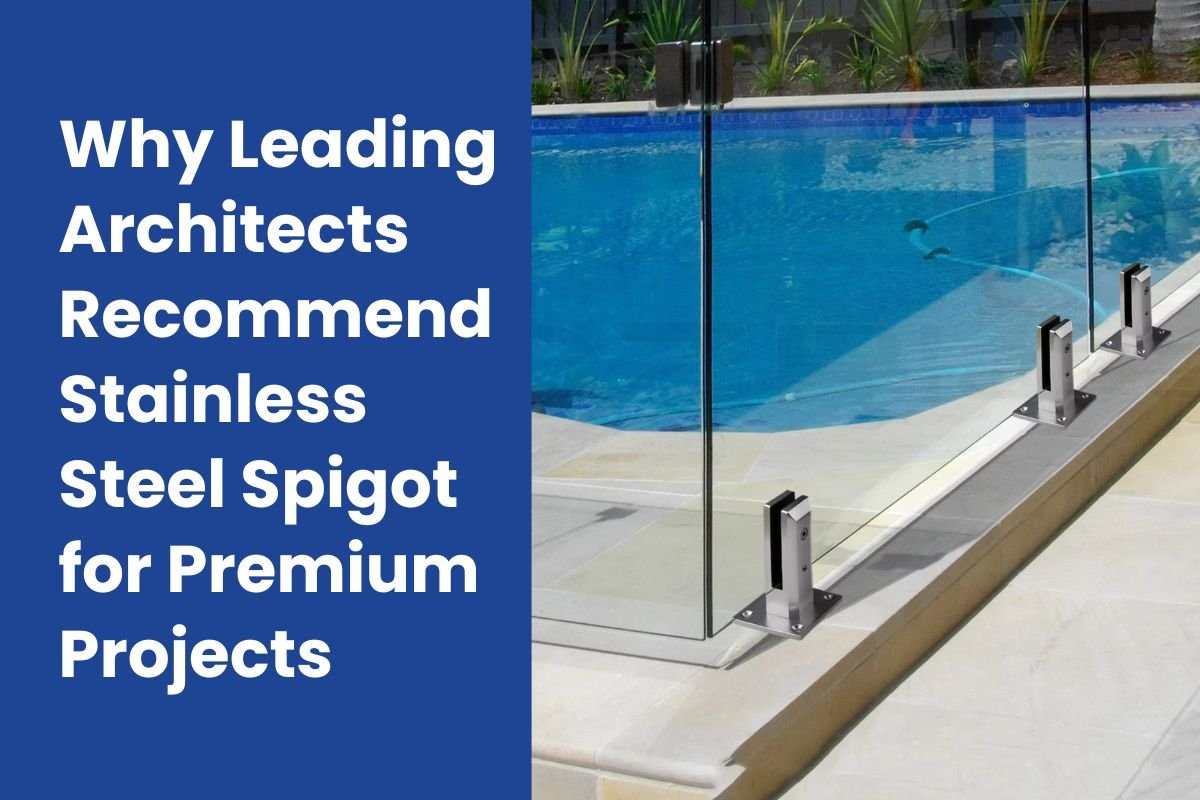
Stainless steel does not flake, peel, or weaken under UV exposure. When properly finished, it resists corrosion, staining, and chemical damage far better than coated metals. This is particularly important for glass pool fencing and marine-adjacent properties.
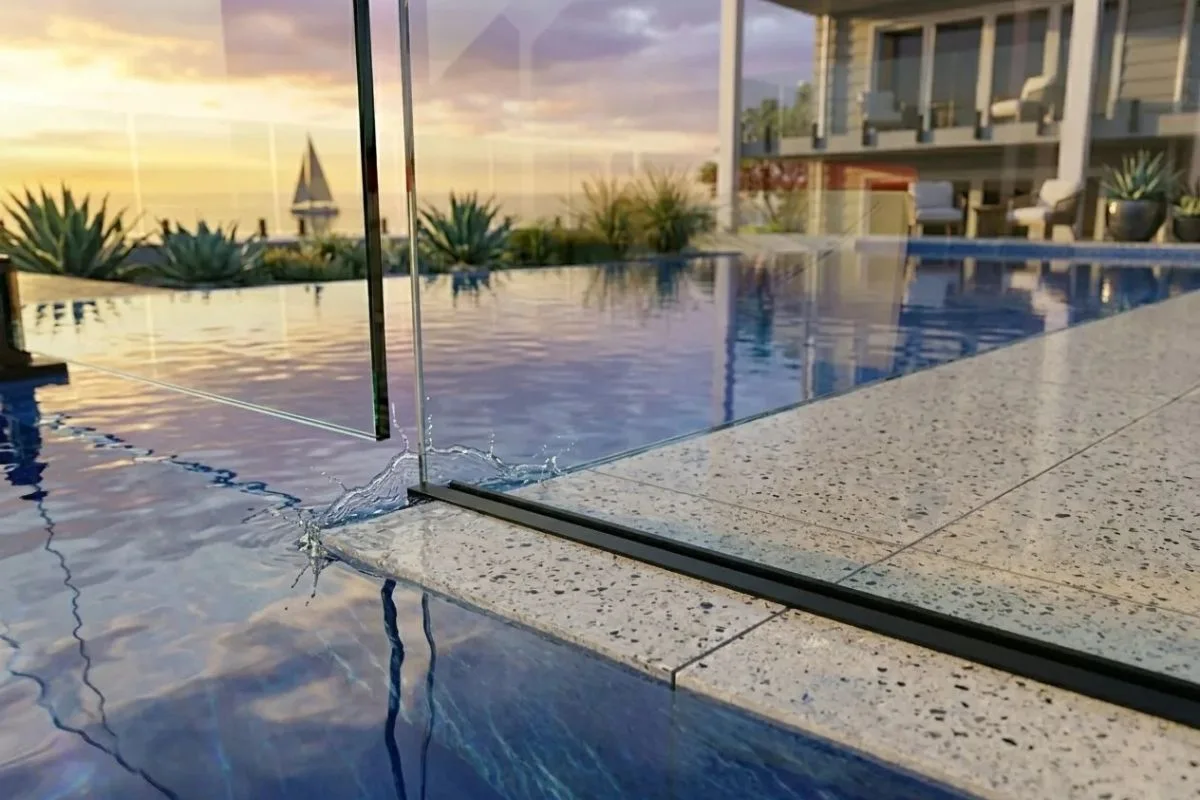
For example, poolside applications often rely on specialized spigots like those featured in stainless steel glass pool fencing spigot for swimming pools, where chlorine exposure and constant moisture would quickly degrade inferior materials.
Stainless Steel Spigot vs. Alternative Railing Supports
To understand why stainless steel spigot systems dominate premium projects, it helps to compare them with other common solutions.
| Feature | Stainless Steel Spigot | Aluminum Posts | Fully Framed Systems |
|---|---|---|---|
| Visual Impact | Minimal, modern | Moderate | Heavy |
| Corrosion Resistance | Excellent (316 grade) | Moderate | Varies |
| Design Flexibility | High | Medium | Low |
| Maintenance | Low | Medium | High |
| Longevity | 25+ years | 10–15 years | Varies |
Architects are not just designing for today’s reveal photos. They design for how a building will age over decades. Stainless steel spigot systems consistently outperform alternatives in both aesthetics and durability.
Why Stainless Steel Spigot Works So Well With Glass
Glass is unforgiving. It exposes flaws, misalignment, and poor material choices instantly. Stainless steel spigot systems complement glass because they offer precise tolerances and consistent finishes.
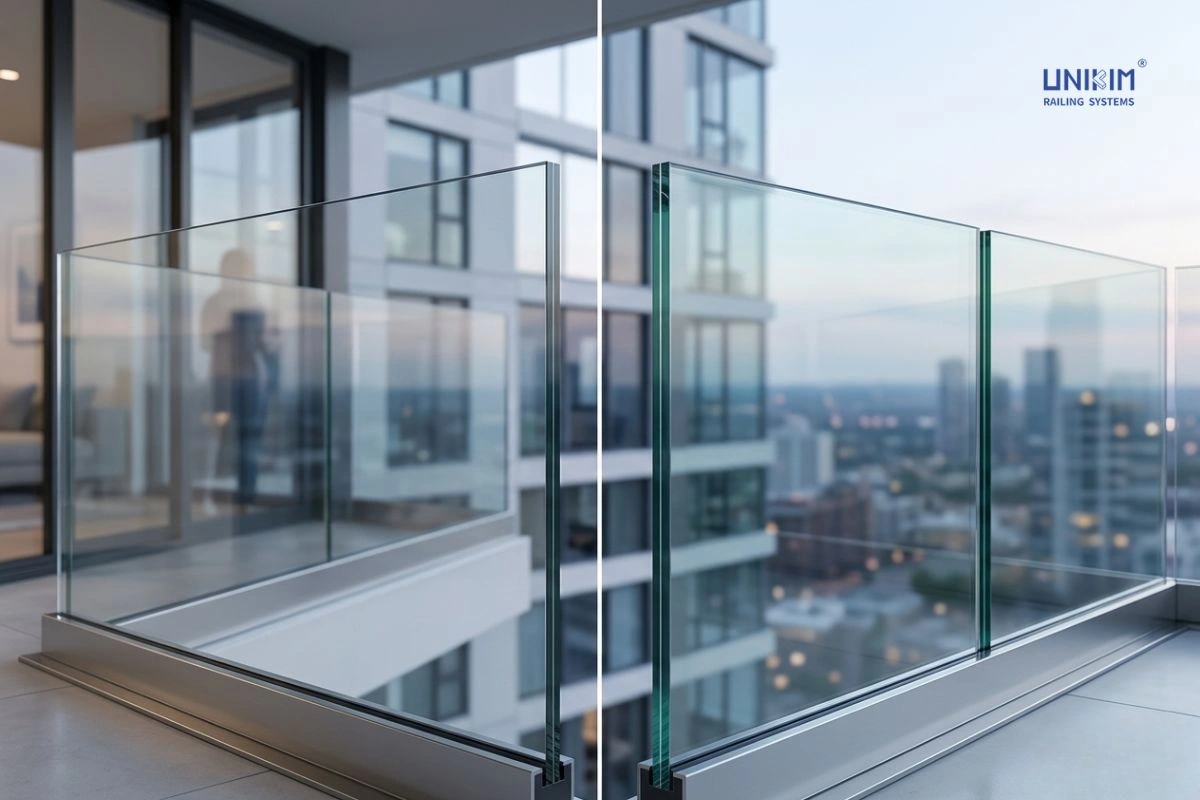
When installed correctly, spigots allow glass panels to sit perfectly vertical, with even gaps and clean transitions. This level of refinement is essential for premium residential and commercial projects.
Detailed discussions on these advantages can be found in glass spigot railing systems installation benefits, where installation accuracy and long-term performance are explored in depth.
Surface Finishes and Customization Options
Another reason architects favor stainless steel spigot systems is finish flexibility. Brushed, mirror-polished, matte black, and custom PVD finishes allow spigots to integrate seamlessly with different architectural styles.
For darker interiors or industrial aesthetics, black-finished spigots—such as staircase glass frameless railing accessories black color glass balustrade spigot—provide strong visual contrast without sacrificing durability.
This adaptability gives architects creative freedom while maintaining material consistency throughout a project.
Stainless Steel Spigot in Outdoor and Harsh Environments
Outdoor environments expose railing systems to moisture, salt, temperature swings, and pollutants. Stainless steel spigot systems—especially those made from marine-grade 316—excel in these conditions.
In Canada and other cold-weather regions, freeze-thaw cycles can wreak havoc on poorly designed railing supports. Stainless steel spigot systems resist cracking and corrosion, making them ideal for deck applications like those discussed in best glass railing systems for decks Canada.
Alignment With Future Architectural Trends
Architectural trends point toward even greater transparency and material honesty. Stainless steel spigot systems align perfectly with this trajectory.
As explored in top trends stainless steel cable railing systems 2026, architects increasingly favor modular, minimalist components that integrate across different railing types. Spigots fit naturally into this ecosystem, working seamlessly with glass, cable, and hybrid systems.
Their modularity also simplifies future renovations, which is a growing concern in sustainable design practices.
Trusted Manufacturing and Global Supply Chains
Architects and specifiers also care deeply about sourcing. Reliable manufacturers with consistent quality control matter, especially for large or international projects.
Many professionals follow industry manufacturers and fabricators through platforms such as Unikim China on Made-in-China and educational channels like Unikim Railings on YouTube to stay informed about production standards, testing methods, and installation best practices.
Transparency in manufacturing builds confidence—and stainless steel spigot suppliers that invest in quality assurance stand out in the market.
Choosing the Right Stainless Steel Spigot for Your Project
Not all spigots are created equal. Architects typically evaluate several criteria before making a recommendation.
Material grade is the first consideration. For interior applications, 304 stainless steel may suffice. For exterior or poolside projects, 316 stainless steel is strongly preferred.
Load ratings, glass thickness compatibility, base plate design, and adjustability also matter. Premium projects often specify spigots that allow fine-tuning during installation, ensuring flawless alignment even on uneven substrates.
High-quality examples can be found in curated product selections such as top quality stainless steel glass balustrade spigot for railing system, which reflect the standards architects expect.
Summary
Leading architects recommend stainless steel spigot systems for premium projects because they deliver unmatched design clarity, structural reliability, and long-term value. These components quietly support glass while enhancing architectural intent, resisting environmental stress, and aging gracefully over time.
Whether used in luxury homes, commercial developments, or public spaces, a stainless steel spigot is more than a support—it is a statement of quality, precision, and forward-thinking design. For projects that demand excellence without compromise, architects know exactly why this solution remains at the top of their specification list.For tailored recommendations or technical guidance, professionals can always reach out through unikim’s contact page.
FAQs
Is a stainless steel spigot strong enough for frameless glass railings?
Yes, a properly engineered stainless steel spigot is designed to support heavy glass panels while meeting building code load requirements. Architects rely on this strength for premium projects.
Which grade is best for a stainless steel spigot outdoors?
For outdoor use, especially near pools or coastal areas, architects recommend a 316 stainless steel spigot due to its superior corrosion resistance.
Does a stainless steel spigot require frequent maintenance?
A stainless steel spigot requires minimal maintenance. Occasional cleaning preserves its finish and ensures long-term performance.
Can a stainless steel spigot work with different glass thicknesses?
Most modern stainless steel spigot systems are adjustable and compatible with multiple glass thicknesses, making them versatile for various designs.
Is a stainless steel spigot suitable for staircases?
Yes, a stainless steel spigot is commonly used in staircases where a frameless, modern appearance is desired without sacrificing safety.