Architecture today is all about balance—between beauty and function, openness and safety, innovation and durability. In this evolving design landscape, Frameless Glass Railings have emerged as a preferred choice among architects worldwide. They are no longer just a trend; they are a defining feature of modern residential and commercial design.
From luxury homes to high-rise buildings and commercial complexes, architects increasingly rely on Frameless Glass Railings to create visually striking, safe, and long-lasting spaces. But what exactly makes them so popular?
In this in-depth guide, we’ll explore the reasons behind this growing preference, along with design insights, technical considerations, and practical benefits.
The Rise of Frameless Glass Railings in Modern Architecture

Over the past decade, the demand for open, light-filled spaces has increased significantly. Architects are moving away from heavy materials and embracing transparent elements that enhance both form and function.
Frameless Glass Railings align perfectly with this design philosophy. They eliminate visual barriers while maintaining structural integrity. As a result, spaces feel larger, brighter, and more connected to their surroundings.
According to industry design reports, properties with modern glass features can see a 5–10% increase in perceived value, especially in premium real estate markets.
What Are Frameless Glass Railings?
Before diving deeper, it’s important to understand what defines Frameless Glass Railings.
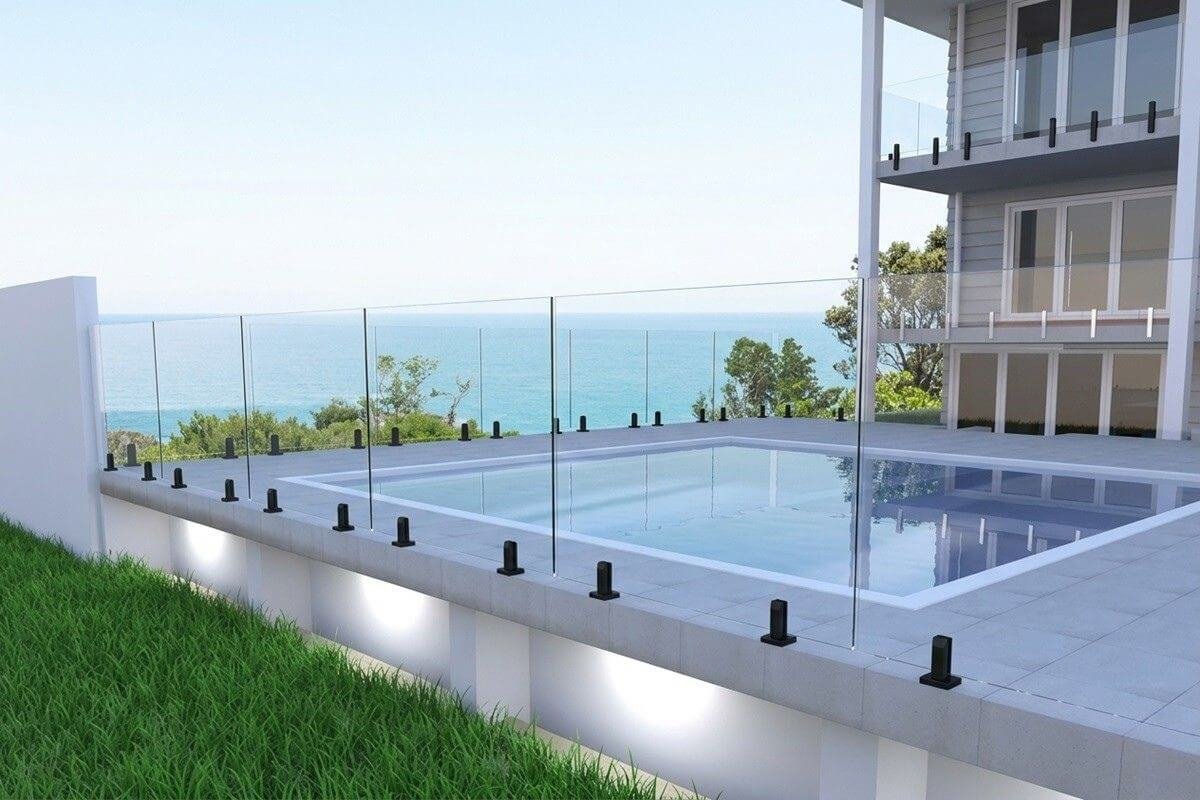
Unlike traditional systems, these railings use minimal hardware. Glass panels are secured using base channels, spigots, or standoffs without bulky frames.
This creates a seamless, floating appearance that enhances modern aesthetics.
If you’re new to railing systems, this guide on what is a railing system offers a helpful overview.
Why Architects Prefer Frameless Glass Railings
Uninterrupted Views
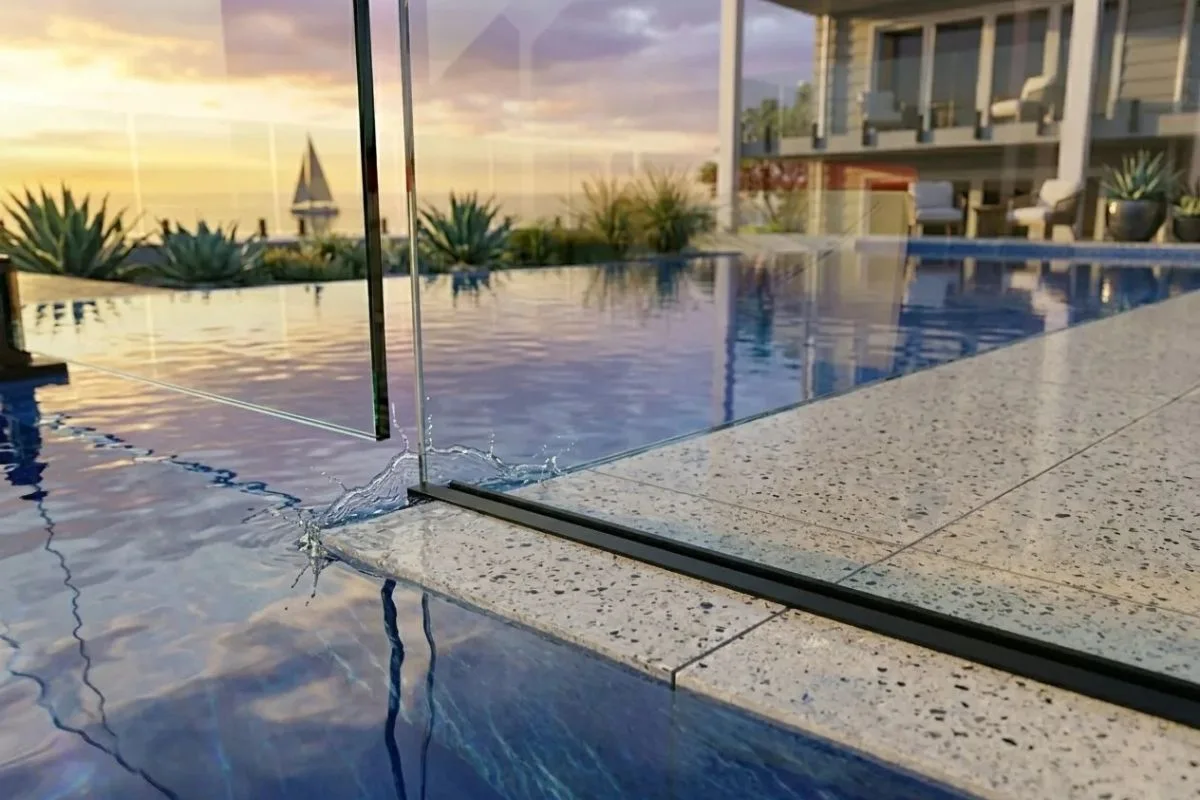
One of the biggest advantages of Frameless Glass Railings is the ability to preserve views.
Whether it’s a scenic landscape, oceanfront, or city skyline, these railings allow users to enjoy the surroundings without obstruction.
This feature is especially valuable in:
- Luxury homes
- Rooftop terraces
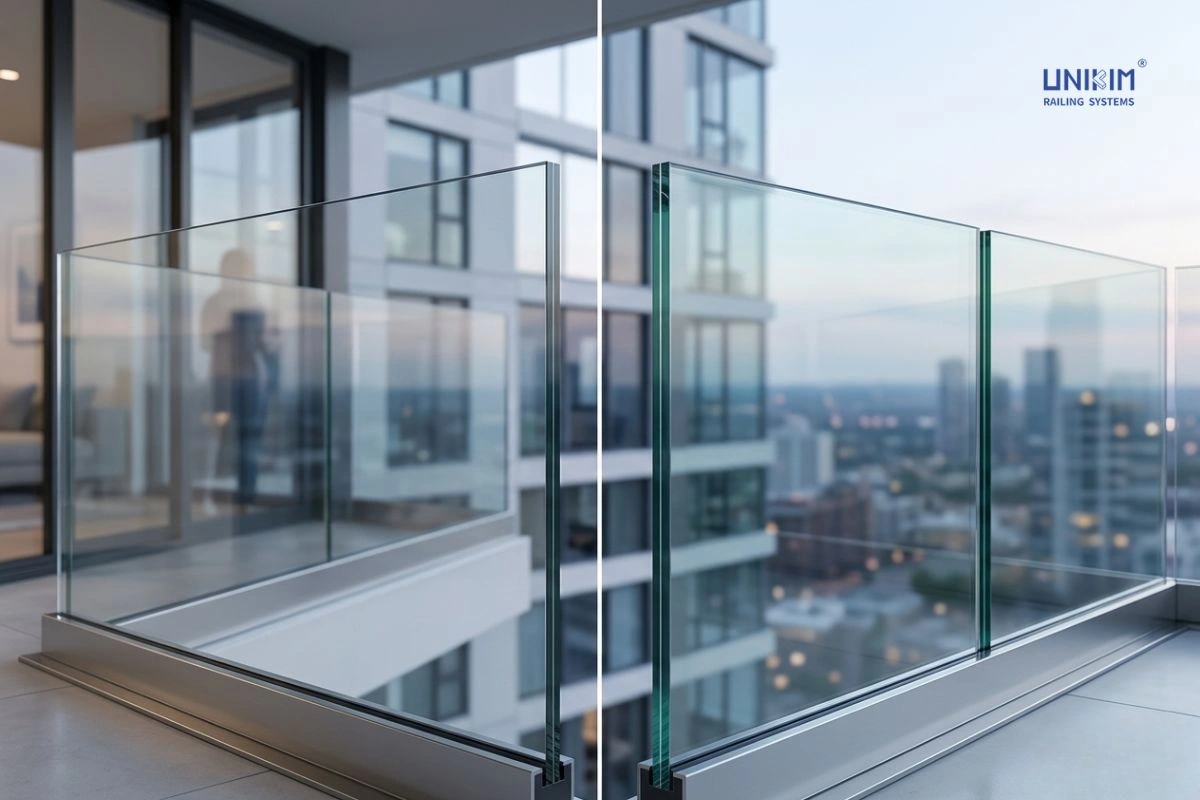
- Balconies
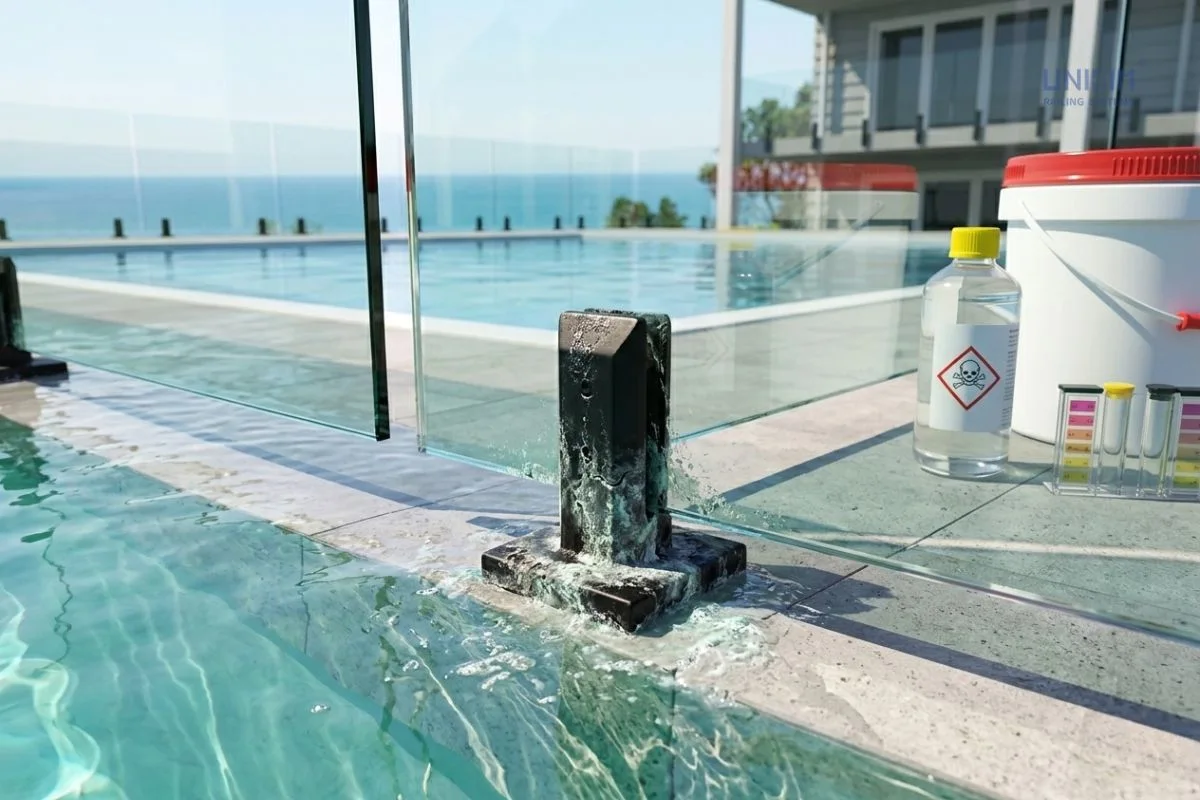
- Pool areas
Enhanced Natural Light

Natural light plays a crucial role in modern design. It improves mood, reduces energy costs, and enhances spatial perception.
Frameless Glass Railings allow light to pass freely between spaces. This creates brighter interiors and reduces reliance on artificial lighting.
Minimalist Aesthetic Appeal
Architects often follow the principle of “less is more.” Clean lines and simplicity define contemporary design.
With Frameless Glass Railings, there are no bulky posts or visible frames. The result is a sleek, elegant finish that complements modern architecture.
Versatility Across Applications
These railings are incredibly versatile. They can be used in both residential and commercial settings.
Common applications include:
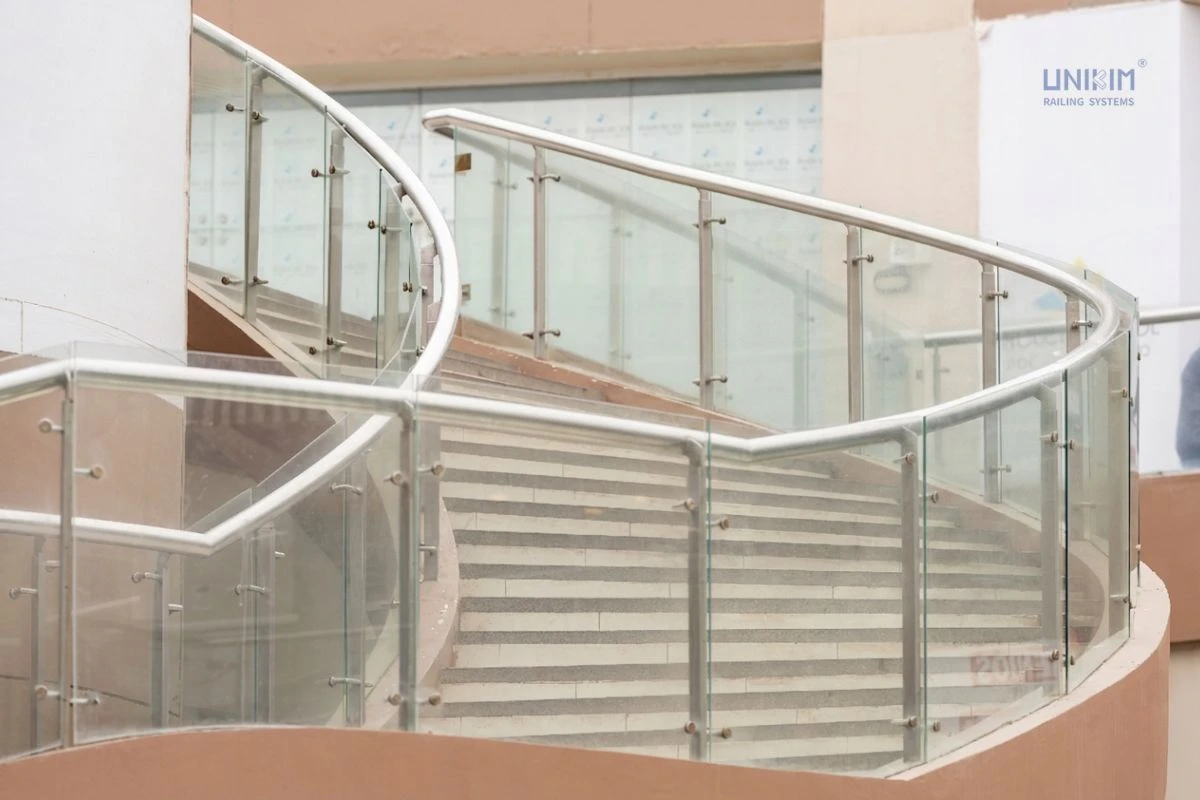
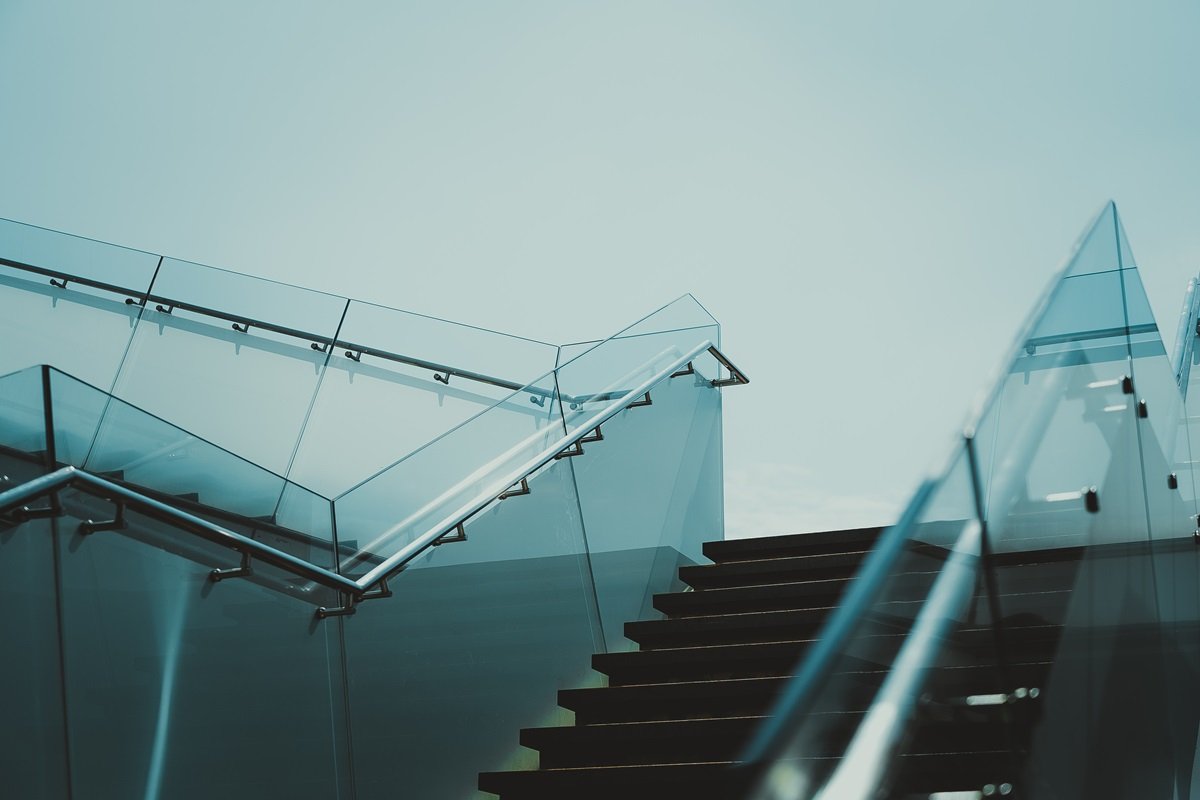
- Staircases
- Balconies
- Decks
- Pool fencing
- Commercial spaces
For durability insights, explore this detailed guide on durability of tempered frameless glass railings.
Strong Safety Performance
Despite their delicate appearance, Frameless Glass Railings are extremely strong.
They typically use:
- Tempered glass
- Laminated safety glass
Tempered glass is up to five times stronger than standard glass. Laminated glass adds an extra layer of safety by holding together if broken.
Materials and Engineering Behind Frameless Glass Railings
Understanding the materials helps explain why architects trust these systems.
Glass Types
- Tempered glass for strength
- Laminated glass for safety
Mounting Systems
Frameless railings use advanced mounting methods:
- Base shoe systems
- Spigots
- Standoffs
Each method offers different aesthetic and structural benefits.
Stainless Steel Hardware
High-quality stainless steel components ensure durability. Grade 316 is often used for outdoor applications due to its corrosion resistance.
Frameless Glass Railings vs Traditional Railing Systems
| Feature | Frameless Glass Railings | Traditional Railings |
|---|---|---|
| Visibility | Excellent | Limited |
| Aesthetic | Modern | Traditional |
| Maintenance | Low | Medium |
| Durability | High | Medium |
This comparison highlights why Frameless Glass Railings are increasingly preferred.
Installation Considerations for Architects
While the design is minimal, installation requires precision.
Structural Planning
Architects must ensure the supporting structure can handle loads. Proper anchoring is critical.
Glass Thickness
Most systems use 10–12 mm thick glass. Thicker panels may be required for high-rise applications.
Compliance with Building Codes
Local regulations dictate height, load capacity, and safety requirements. Compliance is essential.
For installation guidance, refer to this detailed resource on how to install frameless glass railings.
Cost Considerations
Frameless glass railings are often seen as a premium option.
| Component | Cost Range (USD) |
|---|---|
| Glass Panels | $100–$300 each |
| Hardware | $50–$150 per unit |
| Installation | $80–$150 per hour |
While the upfront cost is higher, the long-term value justifies the investment.
Sustainability and Environmental Benefits
Modern architecture increasingly focuses on sustainability.
Frameless Glass Railings contribute by:
- Maximizing natural light
- Reducing energy consumption
- Using recyclable materials
Glass and stainless steel are both recyclable, making these systems eco-friendly.
Misconceptions About Frameless Glass Railings
Many people assume glass railings are fragile or difficult to maintain.
In reality:
- They are highly durable
- They require minimal upkeep
- They are safe when installed correctly
Understanding these facts helps homeowners and architects make informed decisions.
Maintenance Tips for Long-Term Performance
Maintaining Frameless Glass Railings is simple.
- Clean glass regularly
- Inspect hardware periodically
- Tighten fittings if needed
With proper care, these systems can last over 20 years.
Summary
Frameless Glass Railings have become a cornerstone of modern architectural design. They offer unmatched aesthetics, enhanced natural light, and reliable safety performance. Architects choose them because they create open, elegant spaces without compromising strength or durability.
Whether used in residential or commercial projects, these systems deliver long-term value and timeless appeal.
If you’re planning your next project, consider exploring options or reaching out via contact page for expert guidance.
FAQs
Q. Are frameless glass railings safe?
A. Yes, Frameless Glass Railings are extremely safe when made with tempered or laminated glass and installed properly.
Q. Do frameless glass railings require maintenance?
A. Minimal maintenance is required. Regular cleaning keeps Frameless Glass Railings looking new.
Q. Are frameless glass railings expensive?
A. They have a higher upfront cost, but Frameless Glass Railings offer long-term value and durability.
Q. Can frameless glass railings be used outdoors?
A. Yes, Frameless Glass Railings are ideal for outdoor use when paired with corrosion-resistant hardware.
Q. What thickness of glass is used?
A. Most Frameless Glass Railings use 10–12 mm tempered glass for strength and safety.