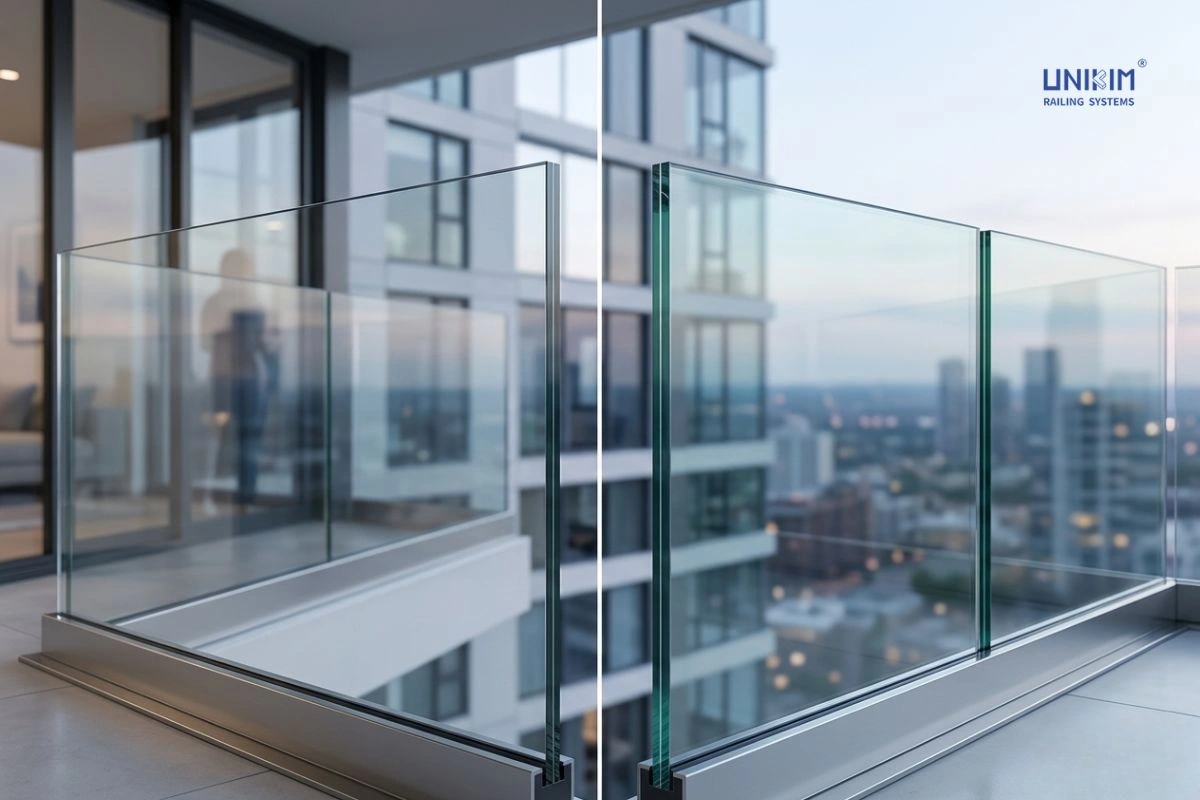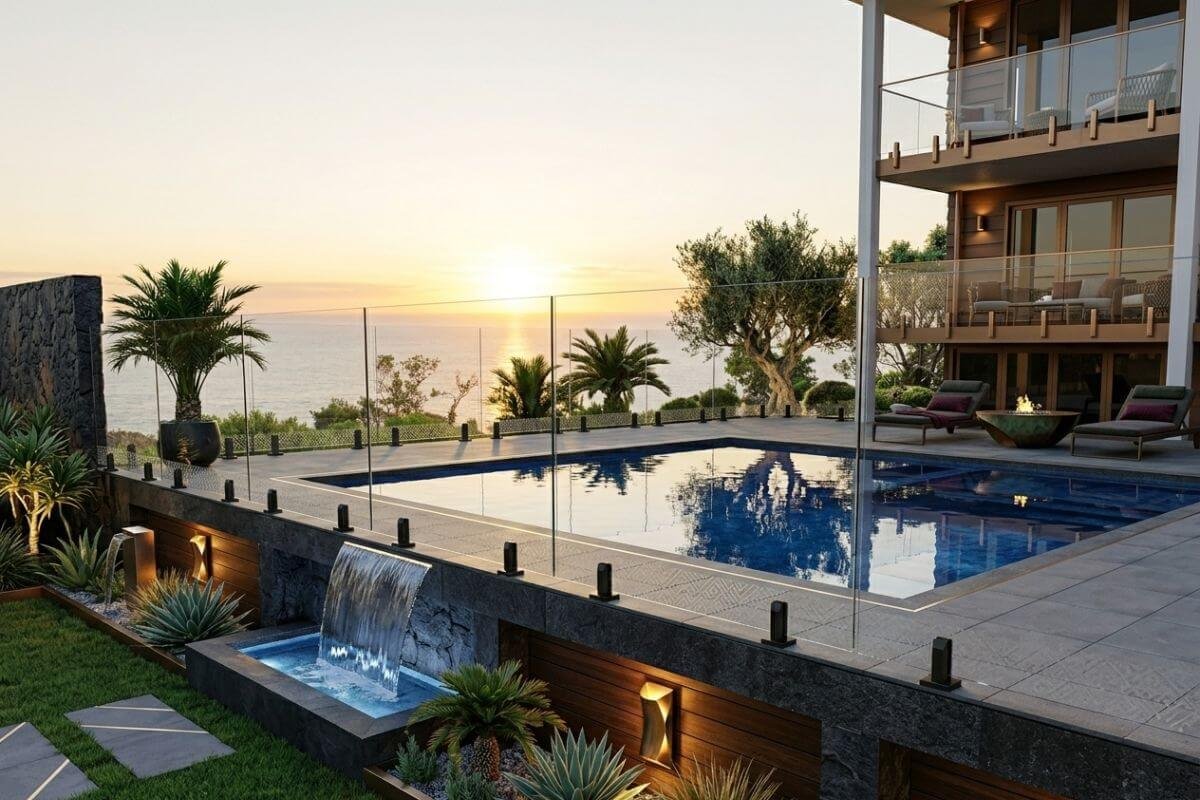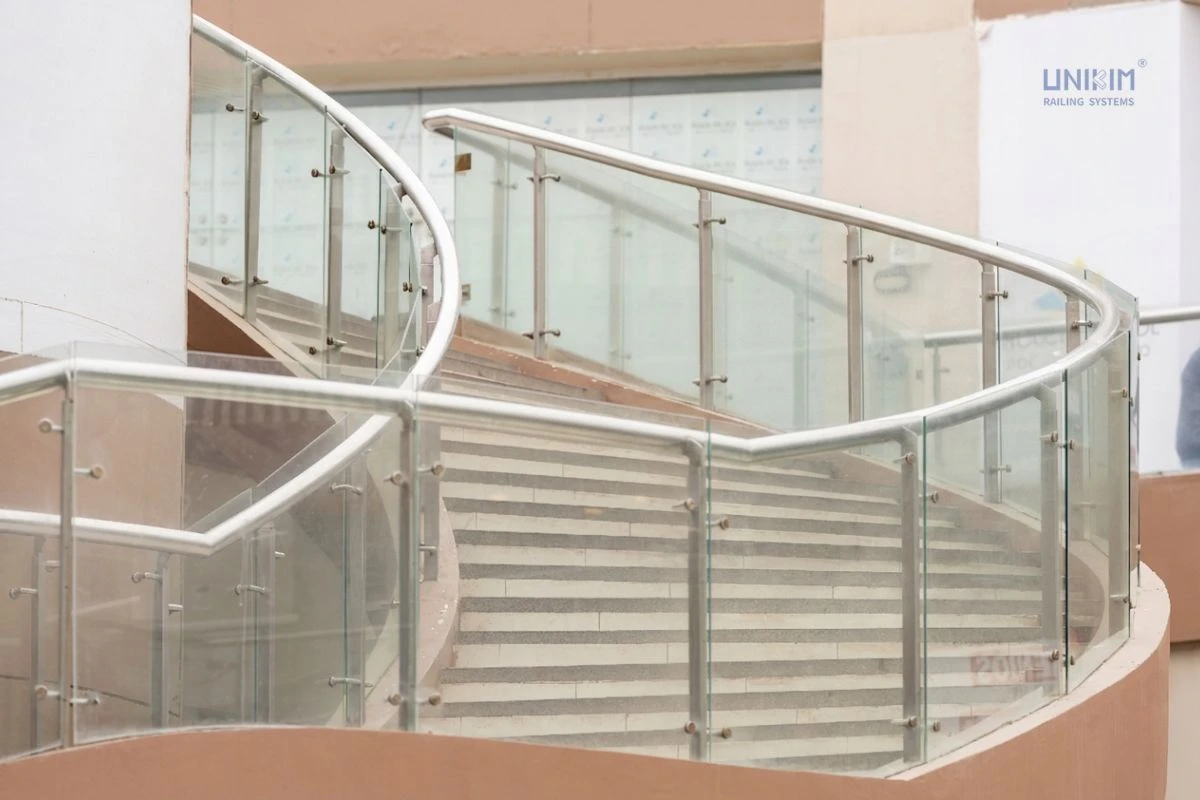
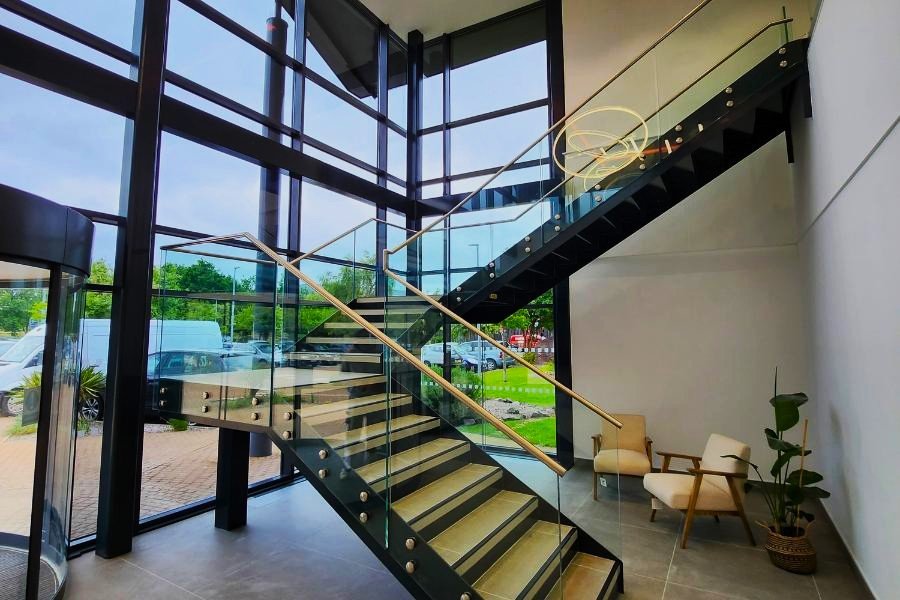
Modern architecture is rapidly shifting toward open, transparent, and visually light structures. One of the most impactful design elements leading this transformation is Glass Railing for Commercial staircases. From corporate offices and shopping malls to hotels and airports, glass railing systems have become the preferred choice for architects who want to combine safety with premium aesthetics.
Unlike traditional metal or wooden railings, glass systems create an uninterrupted visual flow while maintaining strict structural safety standards. This makes them ideal for high-traffic commercial environments where both durability and design matter equally.
In this comprehensive guide, we explore how Glass Railing for Commercial staircases is engineered, installed, regulated, and optimized for long-term performance. Whether you are a contractor, architect, or property developer, this article will help you make informed decisions for your next project.
Why Glass Railing for Commercial Buildings Is Becoming the Industry Standard
Commercial buildings today are no longer just functional spaces. They are designed to impress, attract tenants, and improve user experience. In this environment, staircase design plays a critical role.
A Glass Railing for Commercial staircase offers three major advantages:
First, it enhances visibility across multiple floors. This improves spatial awareness in large commercial environments like malls and offices.
Second, it increases natural light penetration. Studies in architectural lighting show that transparent barriers can improve perceived brightness by up to 30–50%, reducing the need for artificial lighting during daytime hours.
Third, it elevates property value. Modern tenants associate glass features with premium construction standards and higher maintenance quality.
You can explore professional-grade systems at unikim, which specializes in advanced architectural railing solutions for commercial environments.
Glass Railing for Commercial Stair Systems
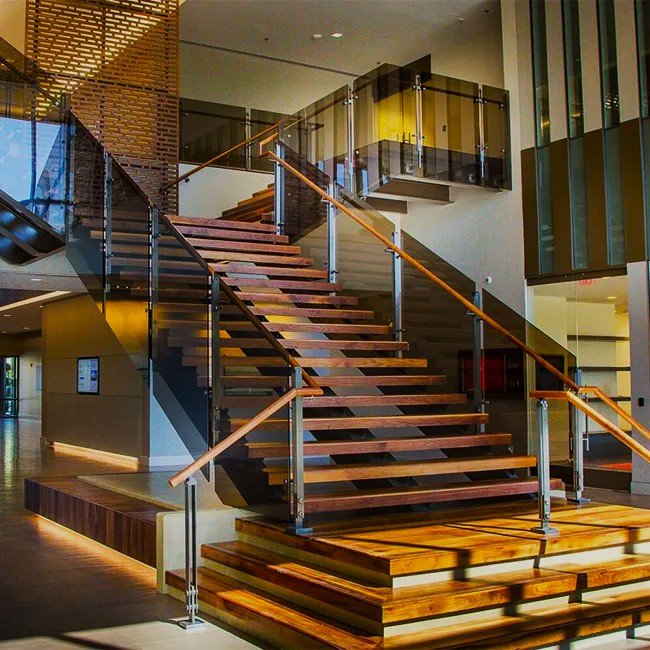
A Glass Railing for Commercial staircase system is not just glass panels. It is a complete engineered structure designed to meet strict building codes and load requirements.
It typically includes:
- Tempered or laminated safety glass panels
- Stainless steel clamps or spigots
- Aluminum base channels or frames
- Structural handrails (optional or required by code)
- Anchoring systems
- Anti-slip stair integration components
These systems are designed to withstand heavy foot traffic, impact loads, and environmental stress in commercial spaces.
For more structural insights, visit What Is a Railing System.
Advantages of Glass Railing for Commercial Projects
Maximum Visual Transparency
A major benefit of Glass Railing for Commercial staircases is uninterrupted visibility. This is especially important in:
- Shopping malls
- Corporate offices
- Hotels
- Airports
- Exhibition centers
Unlike metal railings that block sightlines, glass creates a seamless visual experience between floors.
Improved Safety and Security
Contrary to common belief, glass railings are among the safest systems when properly engineered.
Commercial-grade glass is usually:
- Tempered (heat-strengthened)
- Laminated for impact resistance
- Tested for load-bearing compliance
According to building safety standards referenced in the International Building Code (IBC), properly installed glass railing systems can withstand significant lateral force, making them suitable for public spaces.
Enhanced Natural Lighting Efficiency
Glass railings allow light to travel freely between floors. This reduces dark zones in stairwells and improves visibility.
A Glass Railing for Commercial installation can reduce artificial lighting demand during daytime hours, leading to energy savings in large buildings.
Premium Architectural Aesthetic
Modern architecture focuses heavily on minimalism. Glass railings provide:
- Clean lines
- Transparent structure
- High-end appearance
- Seamless integration with interiors
This is why luxury commercial developments increasingly prefer glass over traditional materials.
Types of Glass Railing for Commercial Staircases
Not all glass railing systems are the same. Contractors choose different configurations depending on design and structural requirements.
Frameless Glass Systems
Frameless systems use base-mounted spigots or channels, creating a floating glass effect.
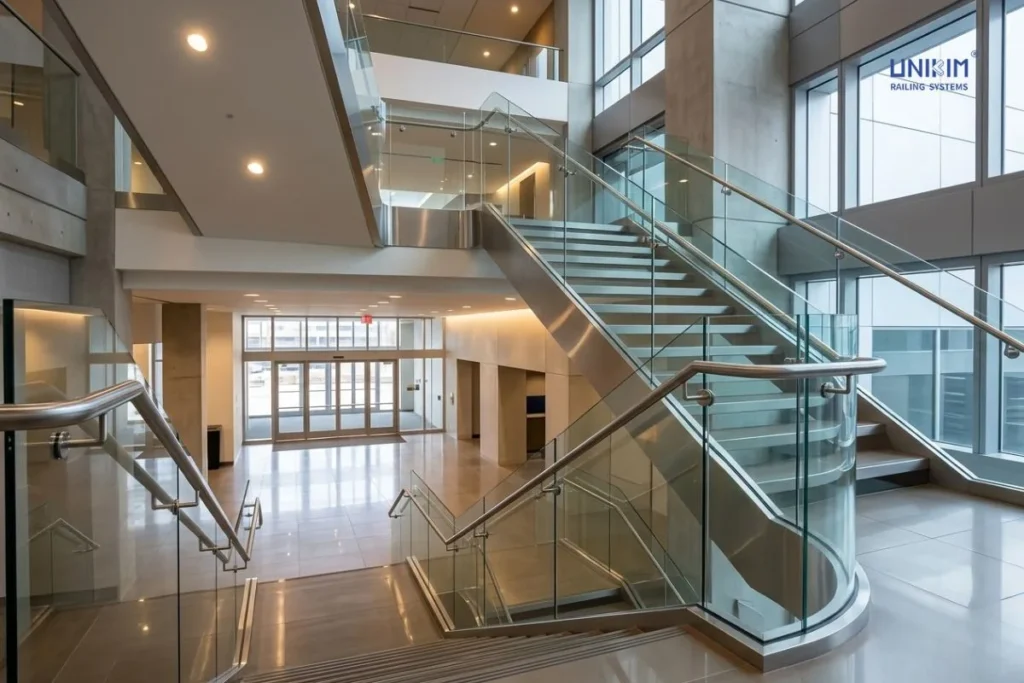
They are widely used in high-end commercial buildings because they deliver maximum transparency.
You can explore premium systems at Commercial Glass Deck Railing.
Semi-Framed Systems
Semi-framed systems combine glass panels with minimal metal framing. They offer a balance between strength and aesthetics.
They are commonly used in mid-rise commercial buildings where additional reinforcement is required.
Fully Framed Glass Systems
Fully framed systems use aluminum or stainless steel frames around each panel.
These are ideal for high-traffic environments where durability and structural reinforcement are top priorities.
Glass Specifications in Commercial Applications
The performance of a Glass Railing for Commercial system depends heavily on material selection.
Tempered Glass
Tempered glass is heat-treated to increase strength. When broken, it shatters into small, less harmful fragments.
Laminated Glass
Laminated glass consists of multiple layers bonded with an interlayer. It remains intact even when cracked.
Thickness Standards
Typical thickness ranges include:
| Application | Thickness |
|---|---|
| Low-rise commercial | 10–12 mm |
| High-traffic staircases | 12–16 mm |
| High-impact zones | 16–20 mm laminated |
Proper selection ensures compliance with safety codes and structural stability.
Load and Safety Requirements
Commercial staircases must comply with strict load-bearing regulations.
A Glass Railing for Commercial system is typically tested for:
- Horizontal load resistance
- Vertical impact resistance
- Wind load pressure (for open staircases)
Most international standards require railings to withstand significant lateral force without deflection or failure.
These requirements are essential for public safety in crowded environments
Installation Considerations for Contractors
Proper installation is critical for performance and safety compliance.
Structural Anchoring
Glass panels must be securely anchored to concrete, steel, or engineered substrates. Improper anchoring is the most common failure point in railing systems.
Precision Alignment
Even slight misalignment can cause stress concentration in glass panels.
Professional installers use leveling systems and laser alignment tools to ensure perfect positioning.
Expansion and Movement Control
Buildings naturally expand and contract due to temperature changes. A Glass Railing for Commercial system must accommodate this movement without cracking or loosening.
Integration with Modern Commercial Architecture
Glass stair railings are often integrated into broader architectural designs.
For example, in retail environments, they are paired with:
- Glass storefronts
- Open atriums
- Transparent elevators
In corporate buildings, they are often combined with minimalist interiors and steel accents.
Advanced design systems such as Glass Railing Sliding Door Systems help create unified architectural flow across spaces.
Glass Railing for Commercial vs Traditional Railings
| Feature | Glass Railing for Commercial | Traditional Railings |
|---|---|---|
| Visibility | Excellent | Limited |
| Maintenance | Moderate | Moderate |
| Aesthetic Appeal | High | Standard |
| Light Transmission | High | Low |
| Corrosion Resistance | Excellent (with stainless steel) | Varies |
| Installation Complexity | Higher | Lower |
While traditional railings may cost less initially, glass systems offer long-term architectural and commercial value.
Applications of Glass Railing for Commercial Buildings
Office Buildings
Glass railings enhance open office layouts and improve visibility across floors.
Shopping Malls
They help shoppers navigate multi-level spaces while maintaining a luxurious atmosphere.
Hotels and Resorts
Glass railings are often used in lobbies, staircases, and mezzanine levels to create a premium guest experience.
Airports and Transit Hubs
Durability and visibility make glass ideal for high-traffic transportation environments.
Maintenance Requirements
A Glass Railing for Commercial system requires routine maintenance to maintain clarity and safety.
Maintenance typically includes:
- Regular glass cleaning
- Hardware inspection
- Fastener tightening
- Silicone seal checks
Glass systems do not rust, but stainless steel components should be inspected periodically.
Role of Stainless Steel in Glass Railing Systems
Stainless steel components are essential for structural integrity.
They provide:
- Corrosion resistance
- Load-bearing strength
- Long-term durability
- Modern appearance
High-quality manufacturers such as Unikim China supply precision-engineered components for global commercial projects.
Installation guidance and demonstrations are available on the Unikim Railings YouTube Channel.
Cost Considerations for Commercial Glass Railings
The cost of Glass Railing for Commercial systems depends on:
- Glass type and thickness
- System design (frameless vs framed)
- Hardware quality
- Installation complexity
- Project height and size
Although initial costs are higher than traditional railings, long-term benefits include reduced maintenance and higher property value.
Future Trends in Glass Railing for Commercial Design
Architectural trends indicate continued growth in glass-based systems.
Key future developments include:
- Smart glass integration
- Anti-fingerprint coatings
- Ultra-thin frameless systems
- Sustainable recyclable materials
- Enhanced impact-resistant laminates
As sustainability becomes more important, glass railing systems will continue evolving toward energy-efficient and eco-friendly solutions.
Summary
A Glass Railing for Commercial staircase system represents the perfect balance between safety, durability, and modern architectural design. It enhances visibility, improves lighting efficiency, and elevates the overall aesthetic of commercial environments.
When properly engineered and installed using high-quality materials, glass railings outperform traditional systems in both performance and visual impact. For architects and contractors aiming to create premium commercial spaces, glass remains the most future-ready solution. For project consultation or product information, visit unikim Contact Page.
FAQs
Q: What is Glass Railing for Commercial staircases used for?
A: A Glass Railing for Commercial staircase is used in offices, malls, and hotels to provide safety while maintaining modern architectural transparency.
Q: Is Glass Railing for Commercial safe in public buildings?
A: Yes. A properly engineered Glass Railing for Commercial system uses tempered or laminated glass designed to meet strict safety standards.
Q: How long does Glass Railing for Commercial last?
A: A high-quality Glass Railing for Commercial system can last decades with proper maintenance and corrosion-resistant hardware.
Q: Does Glass Railing for Commercial require a handrail?
A: In many building codes, a Glass Railing for Commercial system may require a handrail depending on height and usage regulations.
Q: Is installation of Glass Railing for Commercial difficult?
A: Installation requires professional expertise due to precision alignment and structural anchoring, especially in large commercial projects.
Q: What glass thickness is used in Glass Railing for Commercial systems?
A: Most Glass Railing for Commercial systems use 10 mm to 20 mm tempered or laminated glass depending on load requirements.