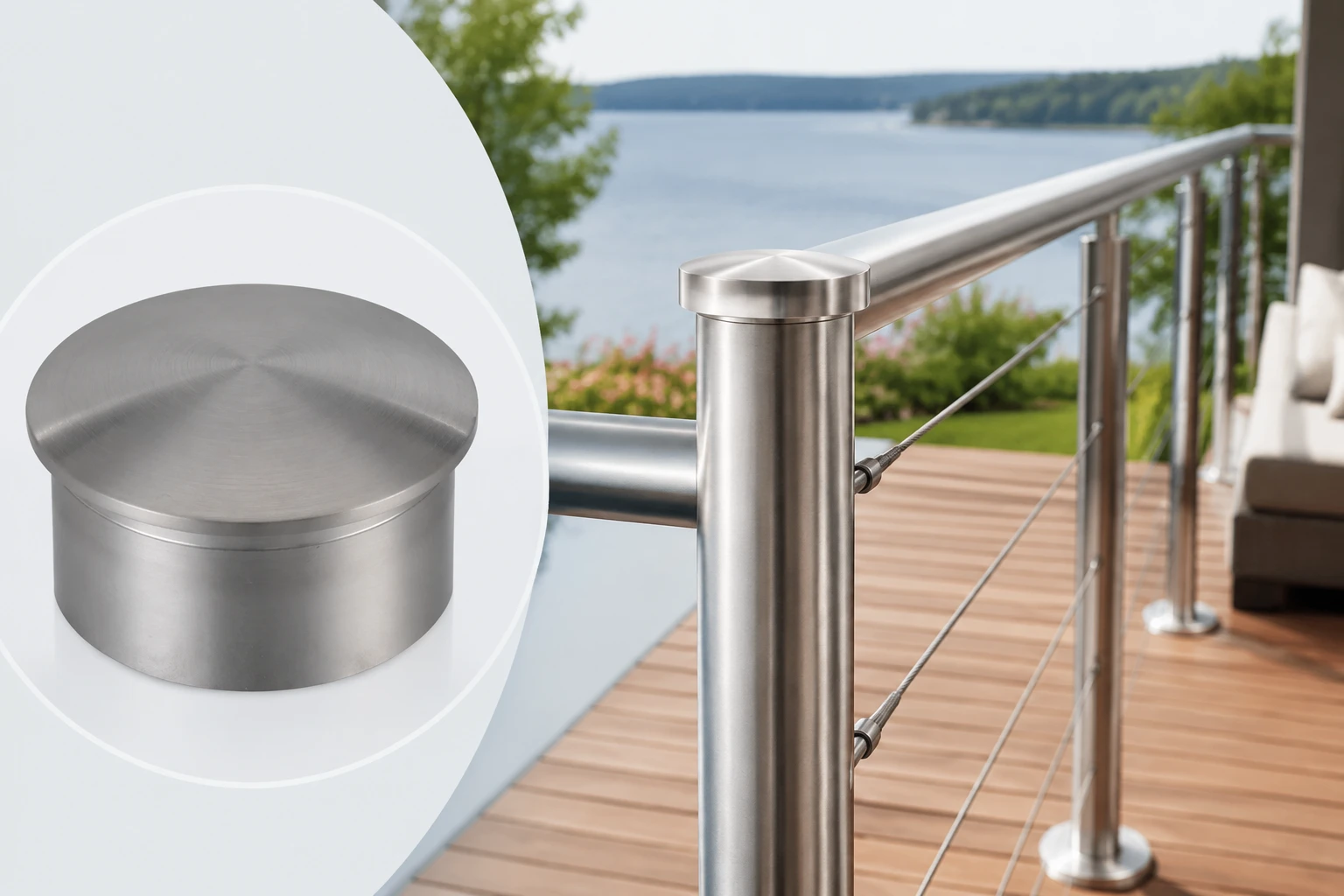
When you design a modern railing system, the magic almost always lives in the tiny details. People tend to focus heavily on the glass panels, the sweeping runs of industrial cable, or the thick structural posts. Yet, the overall success of an installation frequently comes down to how you finish the open edges. Unfinished tubing looks messy, exposes sharp metal cuts, and lets moisture slip right inside your framework. Choosing the right stainless steel railing end caps solves all these issues simultaneously, transforming a standard safety barrier into a sleek architectural feature.
Selecting these components requires looking far beyond basic aesthetics. You need to consider environmental elements, exact structural shapes, specific material grades, and installation methods. A poor choice leads to loose components, rust lines, or uneven lines that catch on clothing. This comprehensive guide will walk you through exactly how to match the perfect end caps to your specific layout, ensuring your installation remains pristine, safe, and structural for decades to more.
Why Choosing the Right End Caps Matters More Than You Think
End caps act as the literal bookends of your entire design framework. Think of them as the protective shield that seals your architectural investment. If you leave a tube exposed, you are inviting a host of long-term structural headaches.
First and foremost, open tubes collect moisture, rainwater, debris, and insects. Inside an outdoor railing system, trapped water triggers internal oxidation, hiding severe rust from view until the metal begins to fail structurally. By selecting a high-quality stainless steel railing end caps setup, you seal the tube entirely, creating an airtight barrier that preserves the integrity of the metal walls from the inside out.
Safety represents another massive factor. Precision-cut metal tubing leaves behind incredibly sharp burrs and edges. A hand sliding along a top rail should never meet an exposed, jagged metal termination point. Properly fitted end caps create smooth, rounded, or flush transitions that eliminate cutting hazards entirely. Furthermore, from a pure design perspective, an open tube looks cheap and unfinished. The proper end piece ties the system together, giving it that crisp, high-end appearance that premium properties demand.
Stainless Steel Material Grades
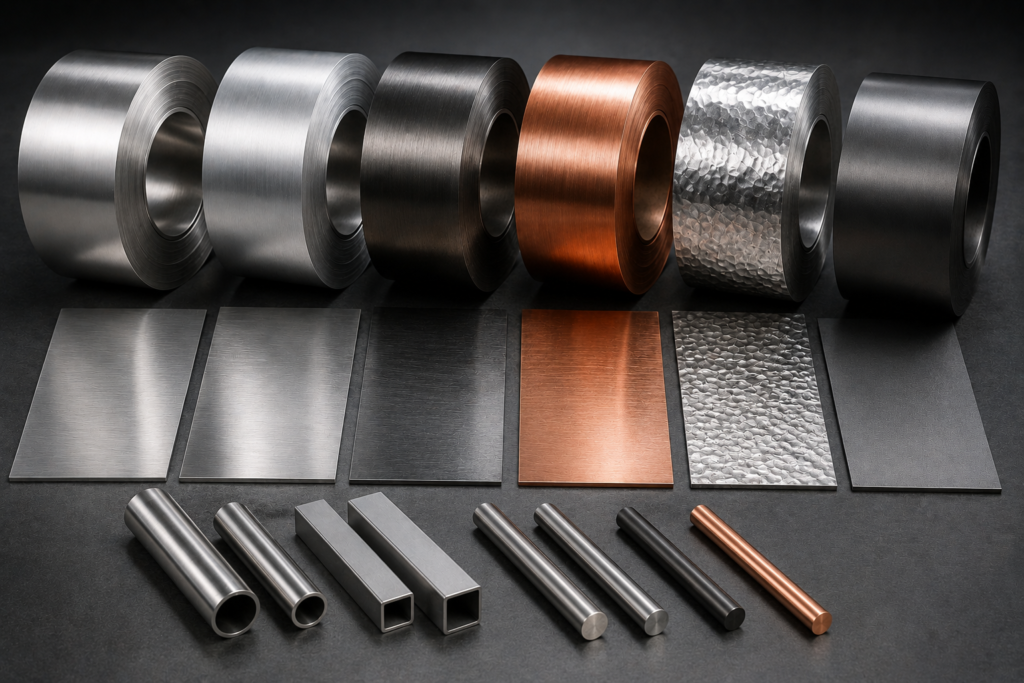
Not all stainless steels behave the same way under environmental pressure. Choosing the wrong grade for your location means your beautifully finished hardware could start showing tea-staining or surface rust within months. When sourcing parts from trusted international manufacturers like the Unikim China Platform, you will generally choose between two primary alloy grades.
Grade 304 Stainless Steel
This is the standard workhorse alloy for the vast majority of commercial and residential design applications. Grade 304 contains a robust blend of chromium and nickel, providing excellent resistance to standard wear and tear. It performs beautifully in controlled interior spaces, standard residential living rooms, and mild outdoor environments far away from the ocean. If you are fitting a staircase inside a climate-controlled corporate office or an inland home, Grade 304 offers incredible durability at an accessible price point.
Grade 316 Stainless Steel
If your installation sits within a few miles of seawater, handles heavy road-salt mist, or borders a chlorinated swimming pool, Grade 316 is absolutely non-negotiable. This premium alloy contains added molybdenum, a specific element that dramatically elevates the steel’s resistance to pitting and chloride corrosion. Using inferior metals near saltwater causes rapid degradation. Specifying a Grade 316 stainless steel railing end caps assembly ensures your coastal deck or poolside barrier maintains its mirror or satin gleam despite constant exposure to harsh elements.
Matching End Caps to Your Tube Profiles
Tubing profiles dictate the shape of the hardware you buy. A mismatch here ruins the continuity of your handrails, creating awkward visual bumps or loose connections. Architects utilize a few core geometric profiles across modern builds.
Round Tube Systems
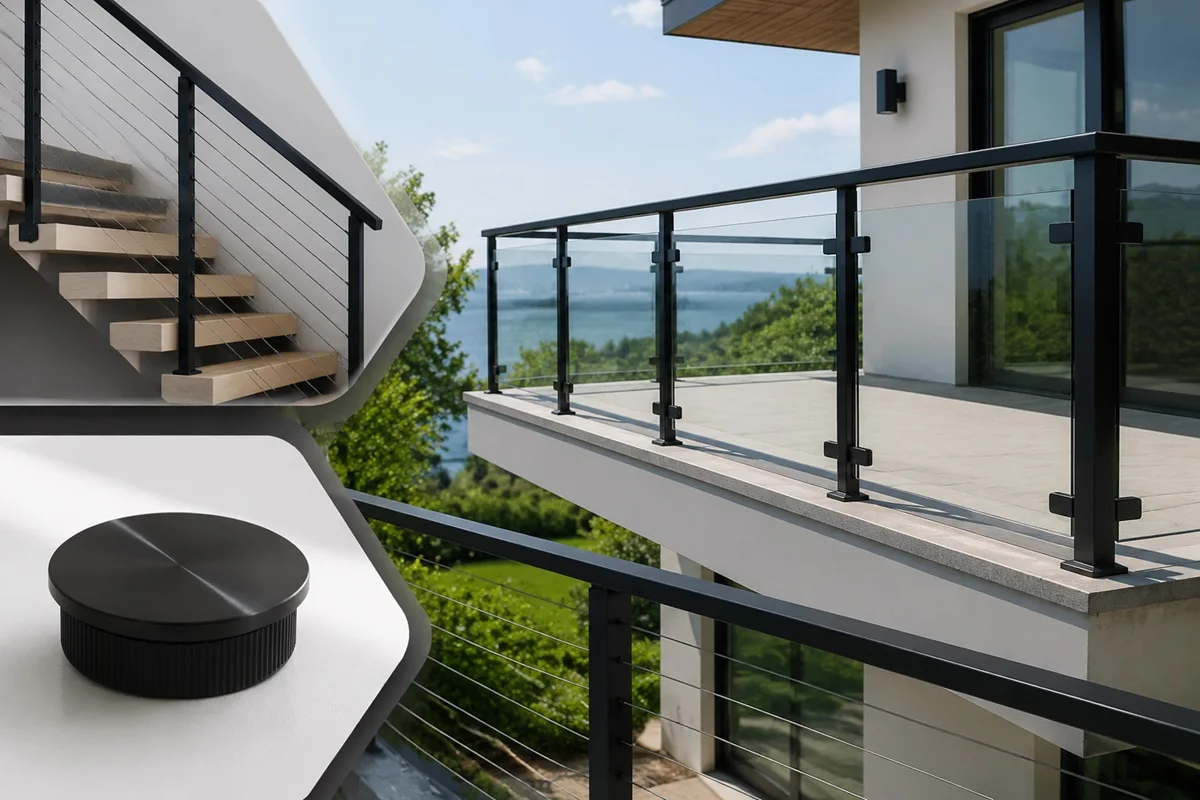
Round profiles represent the classic architectural choice for handrails because they match the natural grip of a human hand perfectly. When finishing a round tube, you have massive flexibility in style. You can select flat discs for a minimal appearance, or choose domed options to soften the visual termination. If you want a more decorative, classical flair, options like the premium Ball End Cap Handrail Style add a distinct, spherical elegance to terminal posts and stair corners.
Square and Rectangular Systems
Square tubing delivers the sharp, clean, geometric lines favored by contemporary and industrial designers. Because square tubes have rigid corners, your caps must fit with extreme precision to avoid overlapping lips. If you are currently finalizing a modern, angular deck or balcony framework, reviewing a specialized guide on the Best End Caps for Stainless Steel Square Tube Railings will help you identify parts that slide completely flush against the tube wall, preserving those sharp architectural angles without dangerous gaps.
Evaluating Different End Cap Design Styles
The specific shape you select alters the entire personality of the handrail system. Let us look closely at the primary visual options available for your project layouts.
Flat End Caps
Flat styles create a completely clean, crisp, and understated finish. They sit virtually flush against the cut edge of the pipe, making the rail look like a solid, continuous bar of machined metal. This style works best in minimalist residential designs where you want the hardware to disappear into the background.
Domed End Caps
Domed designs feature a subtle, smooth curvature that gently rolls away from the edge of the pipe. This curvature softens the overall profile of the metalwork. It is highly functional for busy public walkways because the smooth, rounded face deflects accidental bumps from bags, clothing, or skin, preventing painful snags.
Ball End Caps
Ball caps offer a distinct architectural statement, extending outward in a spherical design. They work exceptionally well as decorative toppers for vertical terminal posts on staircases, forming a natural stopping point for the human eye and hand as they reach the base of a flight of stairs.
Specialty Glass Channel Caps
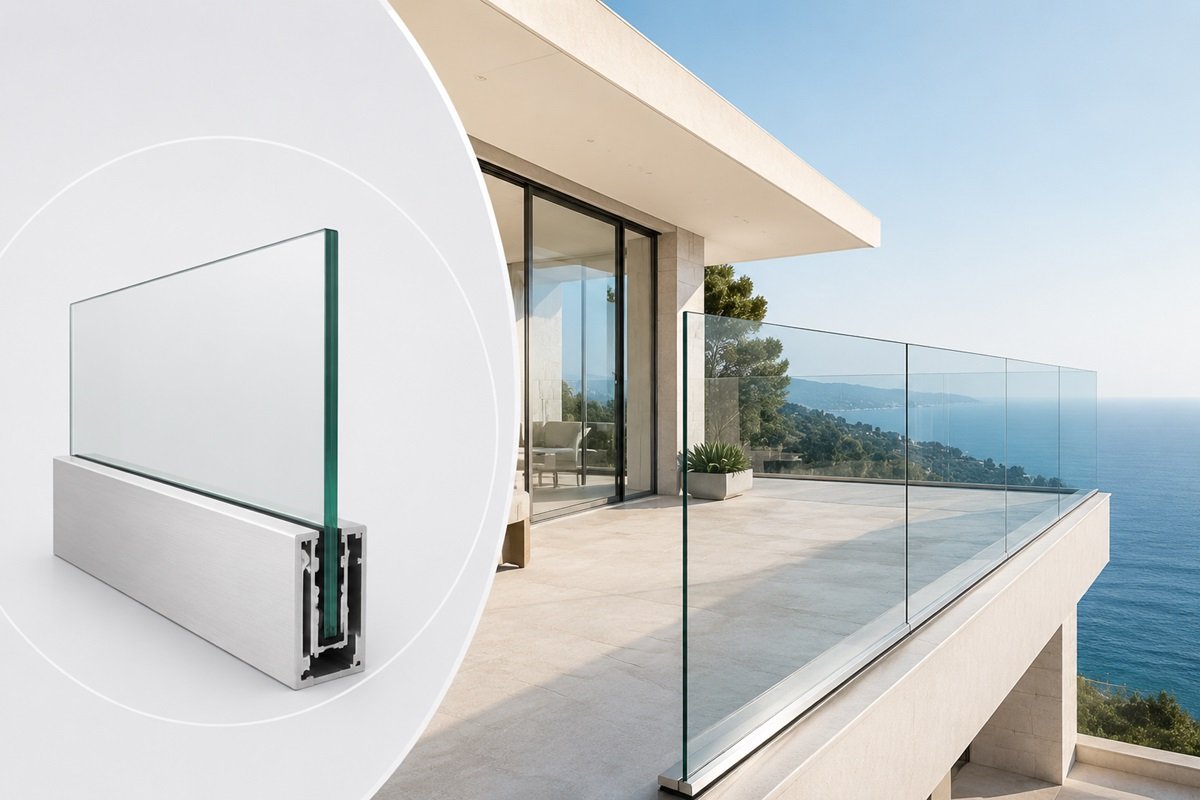
Not all caps fit onto hollow pipes. Modern architectural trends heavily feature frameless barriers where thick glass panels slide directly into an aluminum or steel base shoe. These unique setups require a specialized profile shape, such as a premium Glass Railing End Cap Channel Component, to close off the side openings of the base tracking. This hides the inner mechanical gaskets and clamping mechanisms completely from public view.
Installation Methods: Friction Fit vs. Weld-On
How you attach the hardware to your metalwork determines your project’s total labor costs, tooling requirements, and ultimate finish quality. You must balance your job site capabilities against the desired look.
Friction Fit (Drive-In) End Caps
Friction fit options are the most popular choice for modern field installations because they are incredibly efficient to install. These components feature internal ribbed sleeves or flexible metal tangs that compress when hammered inside the tube. You simply clean the cut edge of your pipe, apply a high-strength retaining compound inside the barrel, and tap the part home using a non-marring rubber mallet.
Products like the heavy-duty Stainless Steel Deck Fence Post Pipe End Cap utilize this exact structural compression logic to stay anchored permanently without needing a welder on site. This saves hours of labor, prevents heat discoloration, and allows DIY enthusiasts or field contractors to achieve pristine results quickly.
Weld-On End Caps
Weld-on hardware is preferred for heavy-duty industrial settings, high-security public transit terminals, and high-traffic municipal bridges. A welder fuses the component directly to the tube wall, grinds the weld bead down with a series of abrasive flaps, and polishes the metal until the seam vanishes completely. This creates a single, monolithic piece of steel that cannot be stolen, vandalized, or shaken loose by heavy building vibrations. The downside is the massive increase in labor costs, the need for specialized TIG welding gear, and the time required to perfectly restore the metal finish post-welding.
Surface Finishes: Satin vs. Mirror Polished
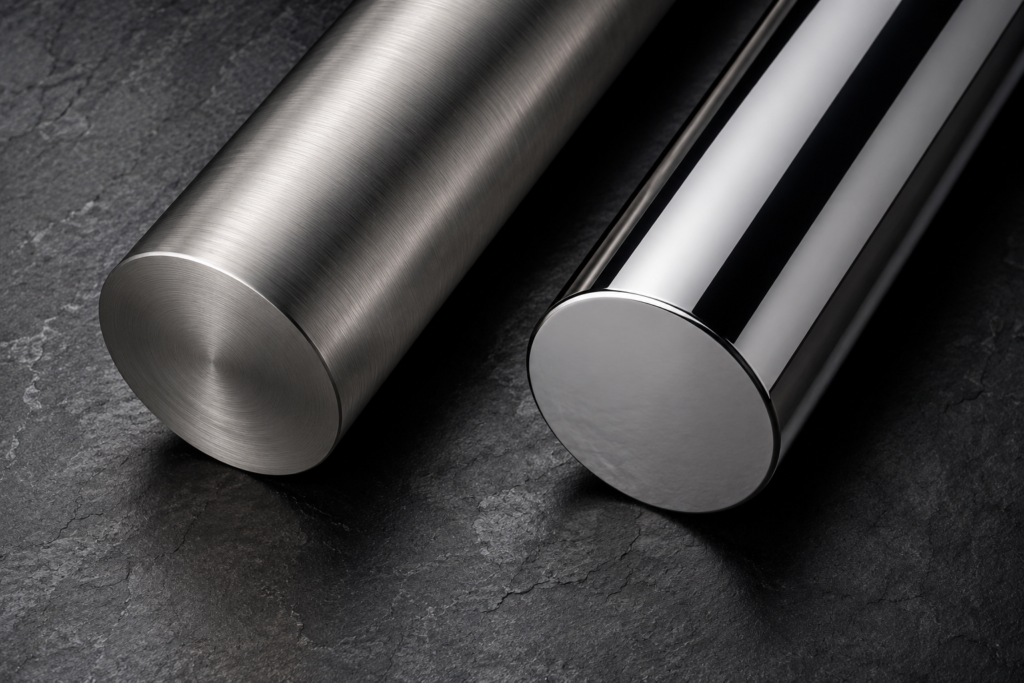
Selecting a surface finish involves matching the texture and reflectivity of the rest of your architectural metals. If your post finish lacks harmony with your cap finish, the entire structure will look mismatched.
Satin (Brushed) Finish
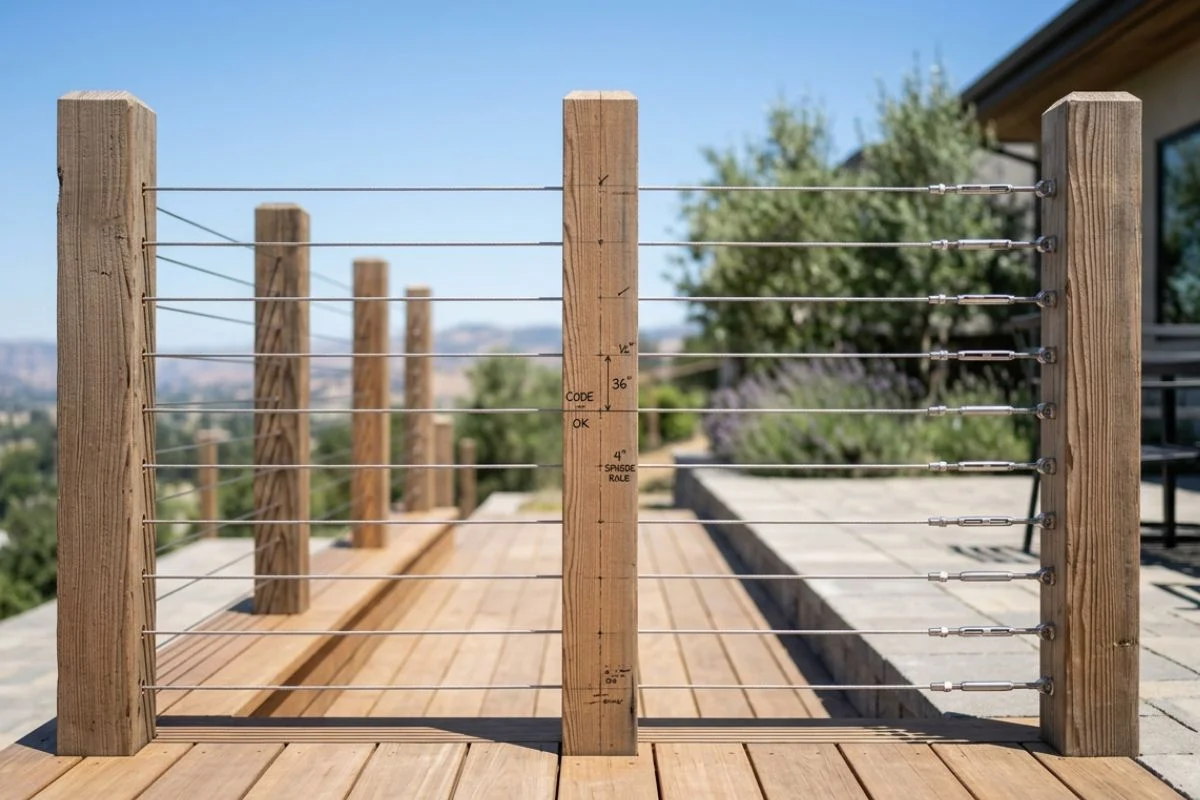
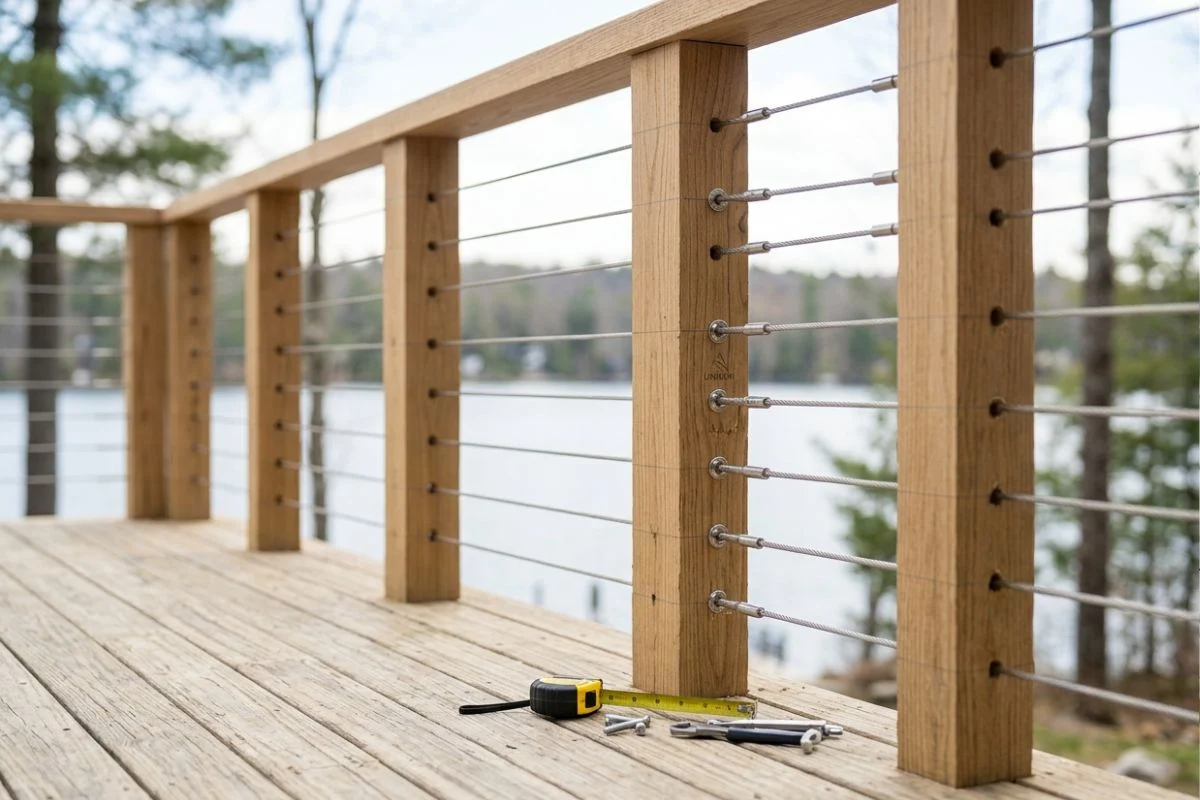
Satin stainless steel features fine, parallel directional brushing lines that diffuse light beautifully. It offers a subtle, matte appearance that excels at hiding fingerprints, dust particles, and minor everyday scratches. If your project includes components like a clean Cable Railing with Wood Posts configuration, a brushed satin hardware finish complements the organic, warm texture of the timber posts beautifully, keeping the design looking soft and sophisticated.
Mirror Polished Finish
Mirror polishing involves processing the steel face through intensive buffing wheels until it becomes completely reflective, just like a glass mirror. This brilliant, high-sheen look works exceptionally well in luxury hotels, high-end high-rise balconies, and marine environments. Beyond its dazzling appearance, mirror polishing actually offers superior rust resistance compared to satin finishes. Because the metal surface is perfectly flat and smooth at a microscopic level, salt crystals and water droplets cannot find tiny crevices to cling to, allowing them to wash away easily during rainstorms.
Selecting Caps for Specific Railing Environments
Every architectural application presents unique environmental challenges. Let us look at three common project types to identify the ideal hardware setups for each scenario.
High-End Interior Staircases and Corporate Lobbies
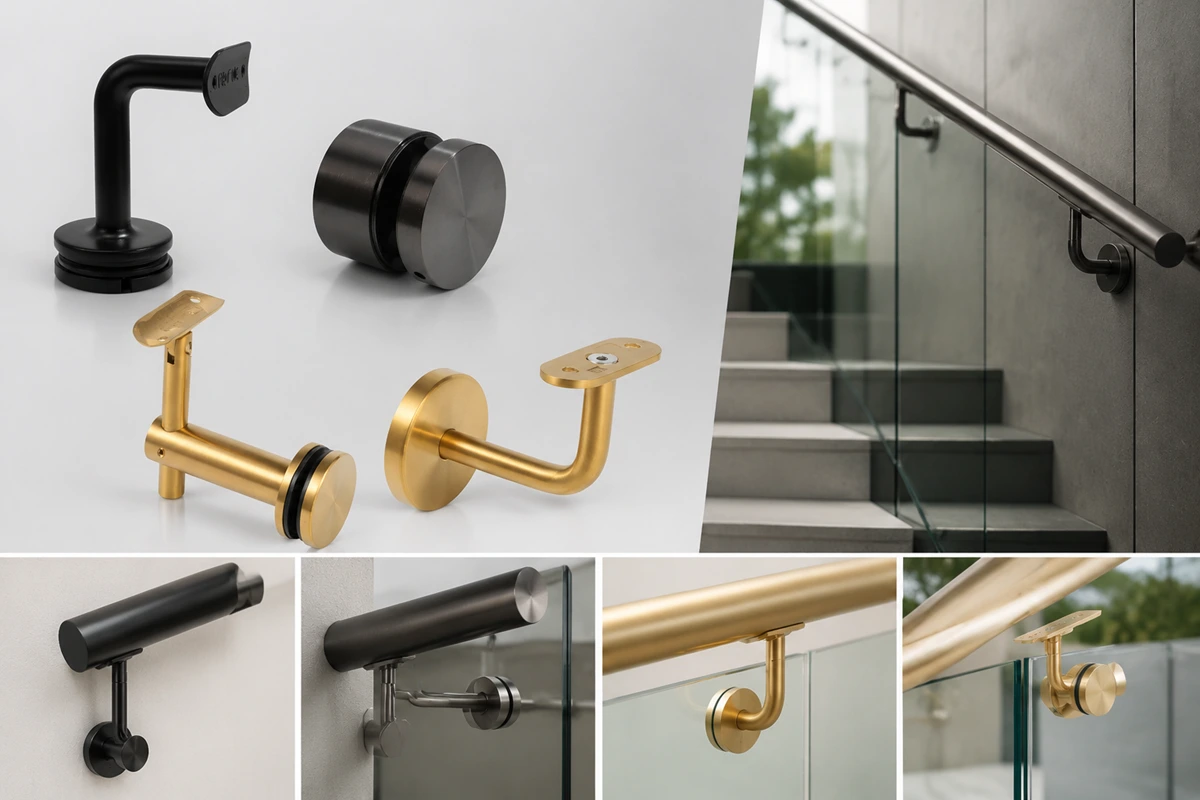
Interior structures demand immaculate aesthetic precision because people interact with them closely every single day. For these projects, you want tight tolerances and completely seamless transitions. When you are engineering custom Frameless Stainless Steel Railings for Staircases and Balconies, you should lean heavily toward flush-fitting, friction-fit caps with a pristine satin finish. They maintain the streamlined flow of the architecture without creating visual interruptions or catching on fine fabrics.
Modern Residential Decks and Cable Rail Systems
Outdoor decks require hardware that can withstand temperature swings, heavy rain, and seasonal shifts. Cable rail layouts are highly sought after for decks because they preserve expansive backyard views. When installing a durable 3/16 Cable Railing Kits for Modern Decks layout, your perimeter metal posts must be thoroughly sealed against rain. Using a robust, exterior-grade stainless steel railing end caps setup ensures your structural anchor posts remain perfectly dry inside, preventing internal rust from compromising the high tension of your horizontal cables.
Structural Glass Balconies
Balconies utilizing solid glass panels need hardware that frames the view without cluttering it. If your layout features a sleek Frameless Glass Railing for Decks architecture, your end caps must match the precise profile of your structural base tracks or slim top cap rails. Selecting custom-profile end fittings keeps your glass lines looking completely continuous, hiding structural brackets while giving the panels a floating appearance.
Sourcing Premium Components for Your Project
The global supply chain offers countless options for buying metal components, but experienced builders know that prioritizing quality prevents expensive retrofits later. Working with companies focused on precision engineering ensures your project components install smoothly. If you prefer to study video guides, assembly techniques, and structural testing breakdowns directly, exploring the official Unikim Railings Video Hub provides an excellent visual look at how professional metal hardware looks, handles, and installs in real-world scenarios.
When sourcing components for residential developments or large commercial projects, using a standardized Stainless Steel Railing Systems by USA Standards framework guarantees your hardware meets local structural safety codes and building tolerances. This step is critical for passing final engineering inspections smoothly.
Summary
Selecting the perfect stainless steel railing end caps setup requires balancing practical environmental realities with your design aesthetic. Always ensure you match the alloy grade to your geographic location—using Grade 304 for interior layouts and Grade 316 for demanding outdoor or coastal environments.
Take the time to verify your tube dimensions, select an installation method that fits your project budget, and choose a surface finish that matches your surrounding metals. By choosing high-quality, precision-engineered hardware, you protect your structural railing investment, ensure long-term physical safety, and achieve a flawless architectural finish that stands the test of time. Get for more information visit unikim and contact us.
FAQs
Q: Why are Stainless Steel Railing End Caps important?
A: Stainless Steel Railing End Caps protect open tube ends from moisture, dirt, and damage while giving the railing a clean, finished appearance.
Q: Should I choose 304 or 316 Stainless Steel Railing End Caps?
A: Use 304 for indoor projects and 316 Stainless Steel Railing End Caps for coastal, poolside, or high-moisture environments.
Q: Can Stainless Steel Railing End Caps be installed without welding?
A: Yes. Most Stainless Steel Railing End Caps are available in friction-fit designs that install quickly without welding.
Q: Do Stainless Steel Railing End Caps prevent rust?
A: Yes. Stainless Steel Railing End Caps seal the tube ends, helping keep out moisture and reducing the risk of internal corrosion.
Q: What finish is best for Stainless Steel Railing End Caps?
A: A satin finish hides fingerprints, while mirror-polished Stainless Steel Railing End Caps provide a brighter, premium look.