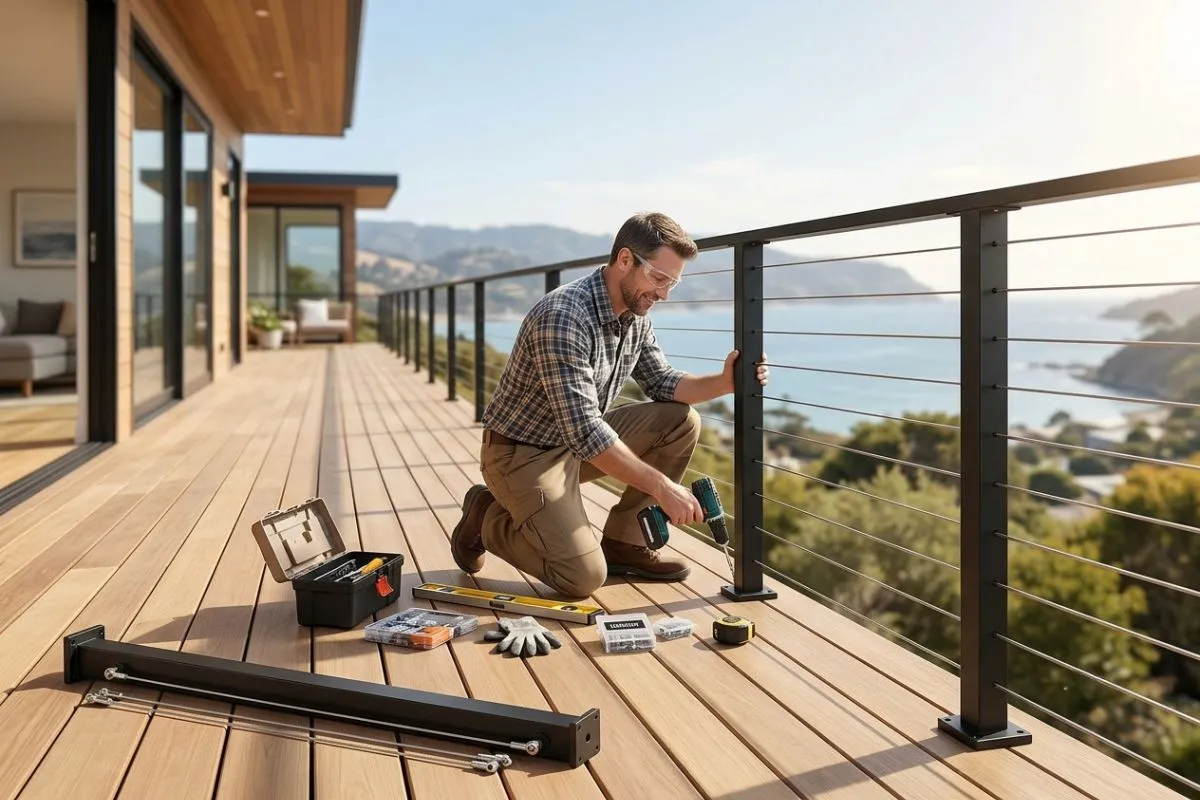
Installing a new railing can completely transform the appearance and safety of your home. Whether you’re upgrading a deck, improving a front porch, securing a staircase, or modernizing a balcony, a successful DIY railing installation project can deliver professional-looking results while saving significant labor costs.
For many homeowners, the idea of installing a railing system may seem intimidating at first. However, modern railing kits, improved hardware systems, and detailed installation resources have made the process far more accessible than it was just a decade ago.
Today, thousands of homeowners successfully complete railing projects themselves every year. With proper planning, the right tools, and a basic understanding of installation principles, many railing systems can be completed over a weekend.
This comprehensive guide explains everything beginners need to know about DIY railing installation, from choosing materials and gathering tools to avoiding common mistakes and ensuring long-term durability.
For homeowners looking for high-quality railing products and components, unikim provides a wide selection of modern railing solutions designed for residential and commercial applications.
Why DIY Railing Installation Has Become So Popular
Home improvement trends continue to evolve. In recent years, homeowners have become increasingly interested in tackling projects themselves rather than hiring contractors for every upgrade.
Several factors contribute to this trend. Labor costs continue rising in many regions. Meanwhile, manufacturers have developed railing systems specifically designed for easier installation.
Modern cable railing kits, modular components, and pre-engineered hardware reduce complexity significantly.
As a result, a carefully planned DIY railing installation project can save hundreds or even thousands of dollars compared to full-service installation.
Beyond financial benefits, many homeowners appreciate the sense of accomplishment that comes from completing a project themselves.
Different Types of Railing Systems
Before beginning installation, it’s important to understand the available railing options. Different systems vary in appearance, complexity, maintenance requirements, and installation difficulty. Among today’s most popular choices, cable railing systems continue gaining popularity because of their modern appearance and unobstructed views.
Stainless steel cable systems offer a particularly attractive balance between aesthetics and durability. Homeowners interested in modern cable designs can explore available options through stainless steel cable wire railing systems.
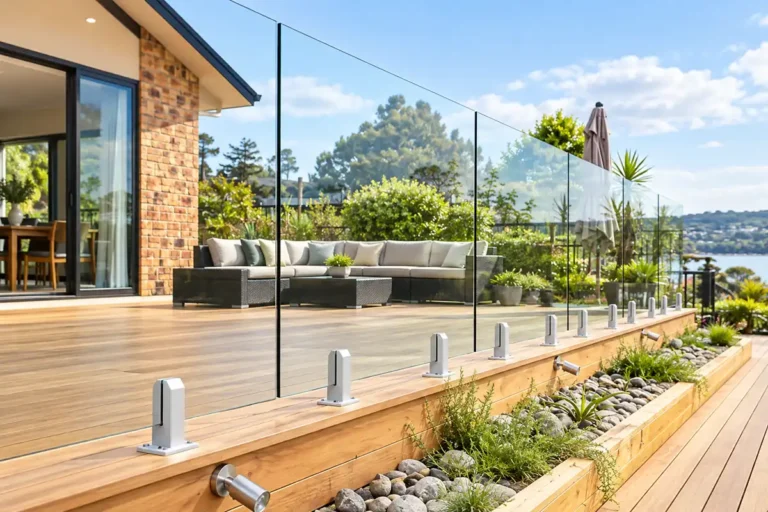
Glass railings, aluminum railings, traditional metal railings, and wood railings also remain common choices depending on architectural style and budget.
Selecting the right system should always be the first step in any DIY railing installation project.
Is DIY Railing Installation Right for You?
Not every homeowner possesses the same skill level. Fortunately, many modern railing systems require only basic construction experience. If you can accurately measure, operate common power tools, and follow installation instructions, you may be well prepared for a DIY project.
However, large commercial projects, complex structural modifications, or installations requiring specialized engineering may still benefit from professional assistance.
For typical residential decks, balconies, porches, and staircases, DIY installation often remains a practical option. The key is understanding the project requirements before purchasing materials.
Planning Your DIY Railing Installation
Successful projects begin long before installation day. Careful planning prevents mistakes, reduces waste, and ensures smoother execution.
Start by measuring the installation area accurately. Record dimensions carefully and verify them multiple times. Next, review local building codes. Most jurisdictions establish requirements regarding railing height, post spacing, load capacity, and opening dimensions.
Ignoring these regulations can create safety concerns and potentially require costly modifications later. After verifying measurements and code requirements, create a detailed material list.
This preparation phase may feel time-consuming, but it often determines the success of the entire project.
Tools Required for DIY Railing Installation
The exact tools needed depend on the railing system selected. Fortunately, most homeowners already own many of the basics.
Common tools include:
- Measuring tape
- Drill and drill bits
- Level
- Impact driver
- Wrenches
- Socket set
- Pencil or marker
- Safety glasses
- Work gloves
Cable railing systems may also require specialized tensioning tools. Homeowners can learn more about necessary equipment through diy cable railing tools components.
Having the correct tools available before starting helps avoid unnecessary delays.
Choosing the Best Materials for Your Project
Material selection affects appearance, maintenance requirements, longevity, and budget. Stainless steel remains one of the most popular options for modern railing systems.
Its strength, corrosion resistance, and clean appearance make it suitable for both indoor and outdoor applications.
For deck projects, many homeowners choose systems such as those featured in stainless steel cable deck railing set. Aluminum also remains popular because of its lightweight nature and corrosion resistance.
Wood offers a traditional appearance but typically requires more maintenance. Each material presents unique advantages, so selection should align with the project’s goals and environment.
Step-by-Step DIY Railing Installation Process
Although specific procedures vary by manufacturer, most projects follow a similar sequence.
Step 1: Mark Layout Locations
Begin by marking post locations carefully. Accurate spacing is essential for structural performance and visual consistency. Double-check measurements before drilling or anchoring any components.
Step 2: Install Structural Posts
Posts provide the foundation of the entire railing system. Ensure they are securely anchored to structural framing. Use a level throughout the installation process. Even minor alignment issues can become highly noticeable once the railing is complete.
Step 3: Attach Rails and Structural Components
After installing the posts, attach top rails and any intermediate components according to manufacturer recommendations.
Verify alignment continuously.Minor corrections are easier now than later.
Step 4: Install Cable or Infill Materials
For cable systems, thread cables through designated openings and install hardware. Maintain consistent spacing throughout the system.
Step 5: Tension the Cables
Proper tension is critical. Insufficient tension may cause sagging. Excessive tension can place unnecessary stress on posts and fittings. Gradual adjustments typically produce the best results.
Step 6: Final Inspection
Inspect all fasteners, hardware connections, and alignment points. Confirm compliance with local code requirements. This final review helps identify issues before regular use begins.
DIY Railing Installation Mistakes to Avoid
Even experienced DIY enthusiasts occasionally make mistakes. One common issue involves inaccurate measurements. A small measuring error can create significant installation challenges later.
Another frequent mistake occurs when homeowners underestimate structural requirements.
Posts must connect to adequate framing. Attaching railings to weak surfaces compromises safety regardless of material quality. Improper cable tension also creates problems.
Loose cables reduce performance and may violate code requirements. Fortunately, careful planning and attention to detail help avoid most of these challenges.
DIY Cable Railing Installation: Why It’s Growing So Fast
Among all railing types, cable systems have experienced remarkable growth. The appeal is easy to understand. Cable railings preserve views while maintaining a clean, contemporary appearance.
Modern kits simplify installation significantly compared to earlier generations of cable systems.
Many homeowners choose products similar to those featured at wire cable railing because they combine visual appeal with practical installation advantages.
Additionally, stainless steel cable systems often require less maintenance than traditional wood railings. This combination of beauty and convenience continues driving demand.
Deck Railing vs Stair Railing Installation
While many installation principles overlap, deck and stair railings present different challenges. Deck railings generally involve horizontal layouts and simpler geometry. Stair railings require careful attention to angles, transitions, and code compliance. Because stair installations often involve more complex measurements, homeowners should spend extra time planning before beginning construction.
Fortunately, many modern railing systems include components specifically designed for stair applications.
Cost Expectations
Budget planning remains an important part of every DIY railing installation project. Several factors influence overall costs.
Material quality plays the largest role. Premium stainless steel systems typically cost more initially but often deliver superior durability and aesthetics.
Project size also affects expenses. Larger decks, balconies, and staircases require additional components.
Labor savings represent one of the biggest financial advantages of DIY installation. While material costs remain unavoidable, eliminating contractor labor can significantly reduce total project expenses.
Many homeowners discover that higher-quality railing systems become more affordable when installation is handled independently.
Safety Considerations Every Homeowner Should Know
Safety should always remain the highest priority. Wear appropriate protective equipment throughout the installation process. Verify structural support before attaching posts or hardware.
Follow manufacturer instructions carefully. Never assume that a connection point is adequate without confirming its load-bearing capacity. Additionally, inspect completed installations regularly. Routine maintenance helps identify loose fasteners, cable tension issues, or other concerns before they become larger problems.
Current Trends in DIY Railing Installation
The railing industry continues evolving rapidly. Modern homeowners increasingly prefer minimalist designs featuring stainless steel cables, black hardware, and clean architectural lines.
These systems complement contemporary homes while maintaining excellent functionality. Many of today’s most popular styles are highlighted in top trends stainless steel cable railing systems 2026.
Manufacturers also continue improving installation efficiency through better hardware and modular designs. Industry professionals often monitor product innovations through resources such as unikimchina.en.made-in-china.com.
Many homeowners also learn valuable installation techniques through project demonstrations available on youtube@unikimrailings8270. These educational resources make DIY projects more approachable than ever.
When Should You Consider a DIY Railing Kit?
Railing kits simplify the installation process considerably. Pre-engineered systems reduce the need for custom fabrication and help ensure component compatibility.
Many homeowners choose complete kits because they eliminate uncertainty during purchasing and installation.
For porch, balcony, and deck projects, solutions such as those featured in diy front porch vertical interior cable railing fence kit installation can significantly streamline the process.
Kits are especially valuable for first-time installers.
Summary
A well-planned DIY railing installation project allows homeowners to improve safety, enhance property value, and create a professional-looking result without excessive labor costs.
By choosing quality materials, preparing carefully, following installation best practices, and paying close attention to safety requirements, even first-time installers can achieve impressive results. Modern railing kits and stainless steel cable systems make the process easier than ever, helping homeowners enjoy durable and attractive railings for years to come.
For expert advice, premium railing products, or customized project assistance, visit unikim or contact the team directly at contact.
FAQs
Q: Is DIY railing installation difficult for beginners?
A: Most DIY railing installation projects are manageable for beginners who possess basic tool skills and follow manufacturer instructions carefully.
Q: How much money can I save with DIY railing installation?
A: A successful DIY railing installation project can often save hundreds or even thousands of dollars by eliminating professional labor costs.
Q: What is the easiest railing system to install?
A: Many homeowners find cable systems ideal for DIY railing installation because modern kits simplify assembly and hardware installation.
Q: Do I need special tools for DIY railing installation?
A: Most DIY railing installation projects require standard household tools, although cable systems may need specialized tensioning equipment.
Q: Is stainless steel a good choice for DIY projects?
A: Yes. Stainless steel is a popular material for DIY railing installation because it offers durability, corrosion resistance, and modern aesthetics.
Q: How long does DIY railing installation take?
The timeline for DIY railing installation depends on project size, but many residential installations can be completed over a weekend.