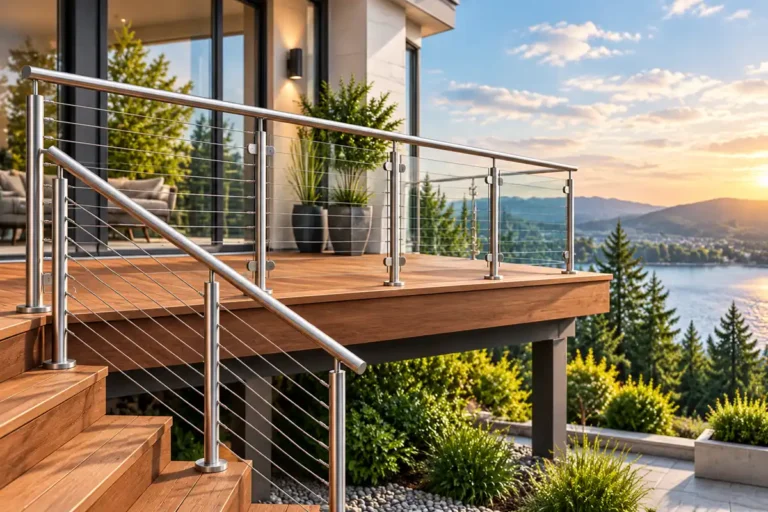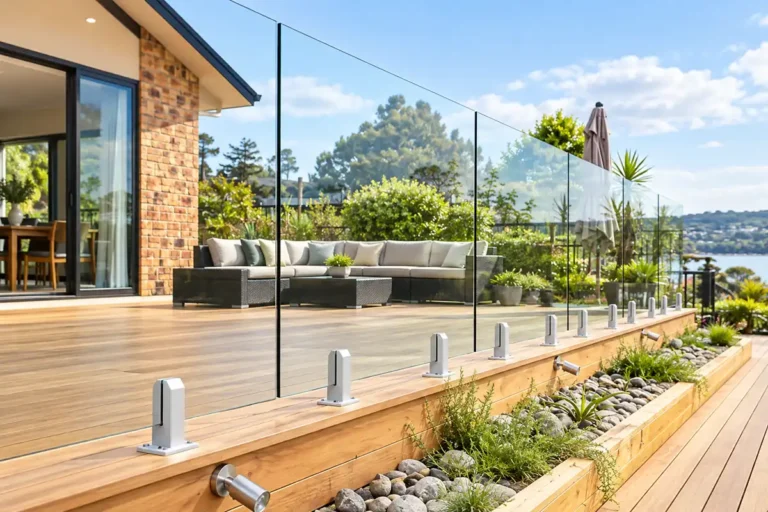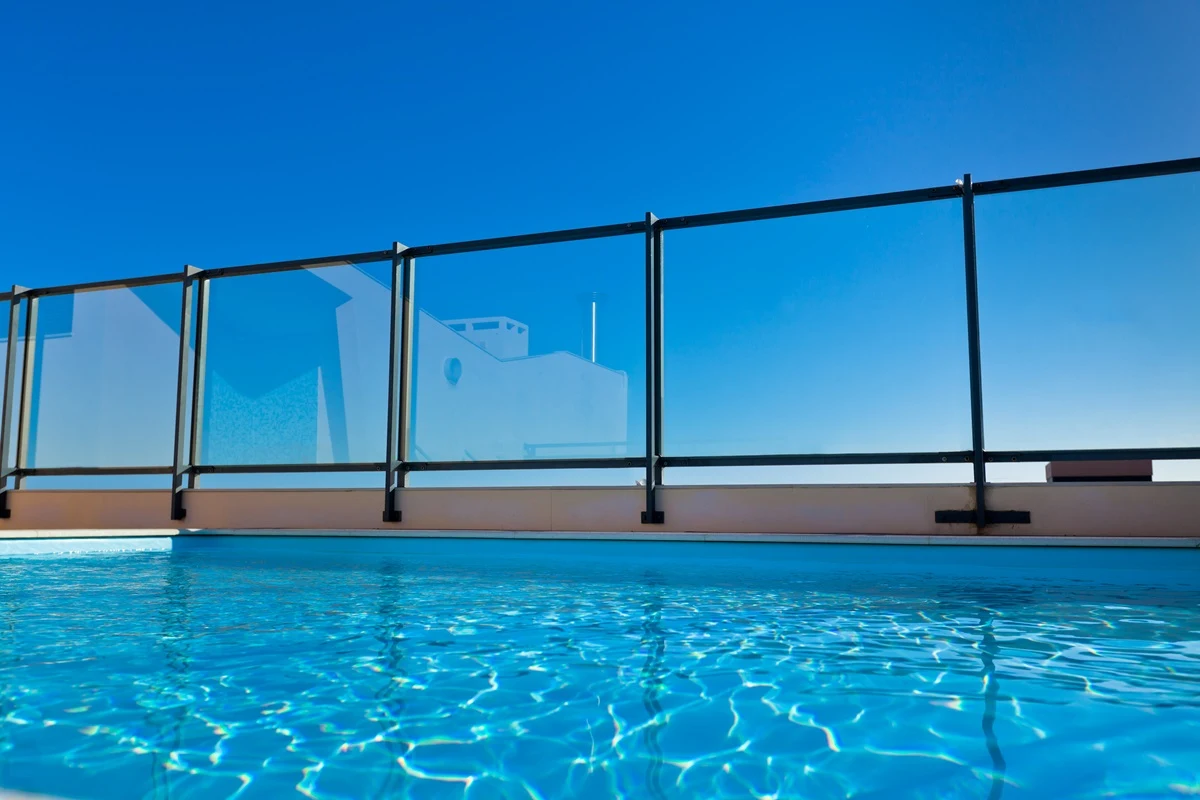
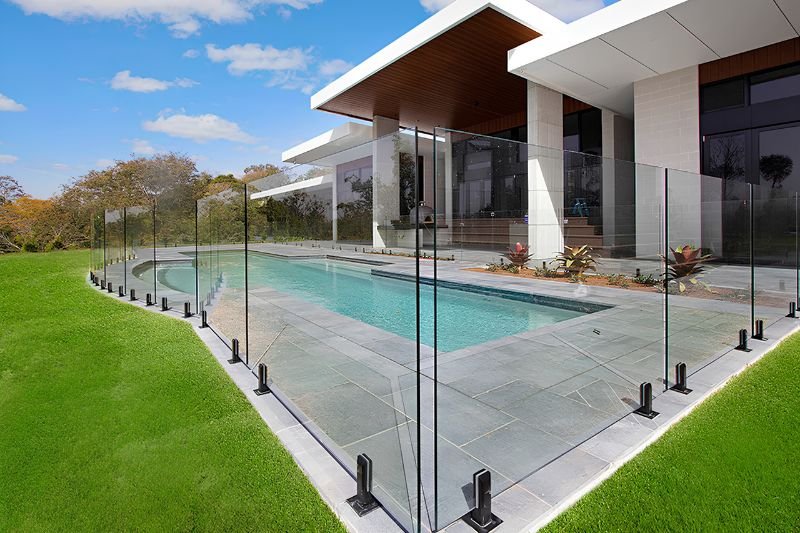
Frameless Glass Pool Fence is one of the most effective ways to improve pool safety while maintaining a clean, modern outdoor design. Homeowners, contractors, hotel developers, and architects increasingly choose frameless glass systems because they provide clear visibility, durability, and premium aesthetics without blocking the surrounding landscape.
However, pool fencing is not only about appearance. Every installation must follow strict local safety regulations. These rules exist to reduce accidental drownings, improve child safety, and ensure long-term structural stability.
Many property owners focus on style first and discover compliance problems later. That mistake can delay projects, increase costs, and create legal issues. Understanding pool fence regulations before installation helps contractors and homeowners avoid expensive modifications.
This guide explains everything you need to know about Frameless Glass Pool Fence regulations, including height requirements, gate rules, glass standards, spacing limits, hardware selection, and installation best practices.
If you are planning a residential or commercial pool project, this article will help you build a safer and fully compliant fencing system.
Why Frameless Glass Pool Fence Systems Are So Popular
Modern architecture increasingly favors open outdoor spaces. Traditional metal or wooden fences often make pool areas appear smaller and visually crowded.
A Frameless Glass Pool Fence creates a completely different effect. The transparent panels preserve visibility, improve natural light flow, and deliver a luxury resort-style appearance.
Homeowners especially appreciate frameless systems because they:
- Keep pool areas visually open
- Improve property value
- Enhance pool safety
- Resist corrosion
- Match modern architectural styles
You can explore professional pool fencing systems at unikim, which offers modern stainless steel and glass railing solutions for residential and commercial projects.
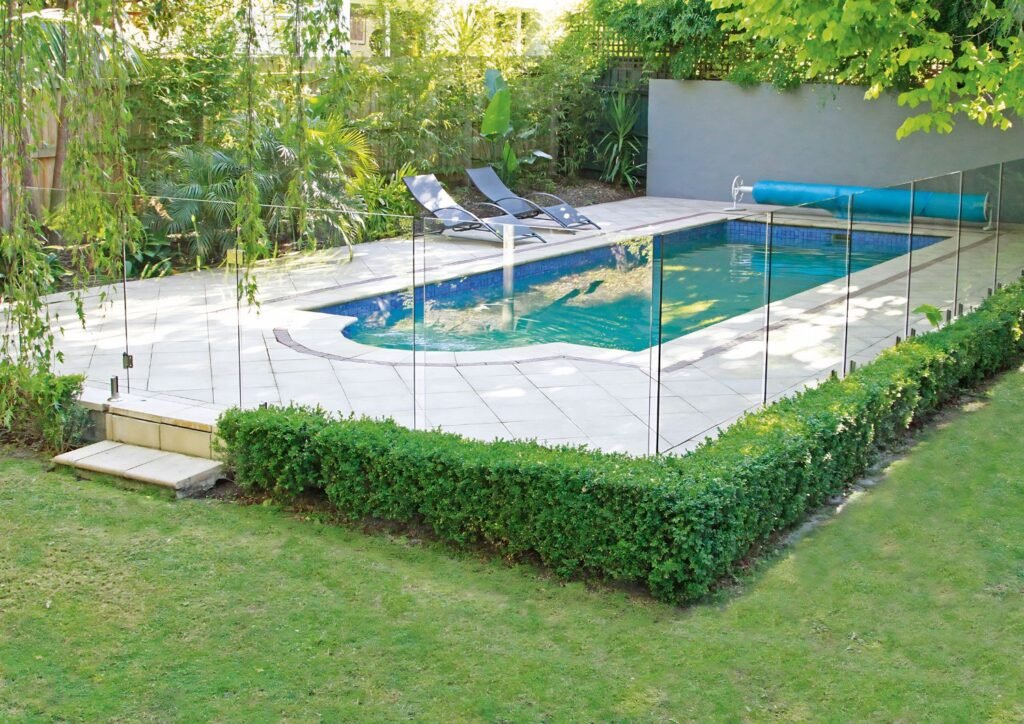
Frameless Glass Pool Fence Regulations
Pool fencing laws vary between countries, states, and municipalities. Still, most regulations follow similar safety principles.
The main purpose of pool fence regulations is preventing unsupervised access to swimming pools, especially by children.
A compliant Frameless Glass Pool Fence typically includes:
- Minimum fence height requirements
- Self-closing gates
- Self-latching mechanisms
- Climb-resistant design
- Approved tempered safety glass
- Proper gap spacing
- Corrosion-resistant hardware
Contractors should always verify local building codes before installation begins.
Why Pool Fence Regulations Matter
According to global child safety studies, swimming pools remain one of the leading drowning risks for young children. Proper fencing dramatically reduces that risk.
A professionally installed Frameless Glass Pool Fence helps:
- Prevent accidental access
- Improve visibility around the pool
- Reduce liability risks
- Meet insurance requirements
- Increase homeowner confidence
Many insurance companies even require compliant pool fencing before approving residential coverage.
Minimum Height Requirements for Frameless Glass Pool Fence Systems
One of the most important regulations involves fence height.
In many regions, the minimum required height for a Frameless Glass Pool Fence ranges between:
| Location Type | Typical Minimum Height |
|---|---|
| Residential Pools | 1200 mm (48 inches) |
| Commercial Pools | 1800 mm or higher |
| Hotel & Resort Pools | Depends on occupancy codes |
The goal is preventing children from climbing over the barrier.
Some local codes also measure the height from the finished ground level instead of the installation surface. Contractors should verify this carefully during planning.
Glass Thickness Requirements
Not all glass is suitable for pool fencing.
Most regulations require either:
- Tempered safety glass
- Laminated tempered glass
Standard residential window glass is not acceptable because it shatters dangerously upon impact.
A compliant Frameless Glass Pool Fence usually uses glass thickness between:
| Application | Common Thickness |
|---|---|
| Residential Pools | 10 mm – 12 mm |
| Commercial Pools | 12 mm – 15 mm |
| High Wind Areas | Engineered per code |
Thicker glass improves structural stability, especially in frameless designs where no top rail exists.
For premium installations, many contractors use systems featured in Frameless Pool Fencing Glass Railing.
Gate Regulations for Frameless Glass Pool Fence Installations
Pool gates must follow strict safety standards.
A Frameless Glass Pool Fence gate generally requires:
- Self-closing hinges
- Self-latching lock system
- Outward opening direction
- Elevated latch placement
- Child-resistant access
The gate must automatically return to a closed position after every use.
This regulation prevents accidental pool access when adults forget to close the gate manually.
Gap and Spacing Regulations
Small spacing details matter significantly in pool safety compliance.
Most building codes regulate:
- Ground clearance beneath glass panels
- Gaps between panels
- Openings near gate hinges
For a compliant Frameless Glass Pool Fence, the gap beneath the fence often cannot exceed 100 mm.
Larger openings may allow children or pets to crawl underneath the barrier.
Professional installers carefully measure every section during installation to maintain consistent compliance.
Climb-Resistant Design Requirements
Unlike traditional railings, pool fencing must reduce climbing opportunities.
This is one reason frameless glass systems perform extremely well.
A Frameless Glass Pool Fence offers a smooth vertical surface without horizontal bars or footholds.
By comparison:
| Fence Type | Climb Resistance |
|---|---|
| Frameless Glass | Excellent |
| Cable Railing | Moderate |
| Horizontal Bar Fence | Lower |
| Mesh Fence | Moderate |
Many safety authorities strongly favor frameless systems because they naturally discourage climbing.
Wind Load and Structural Regulations
Outdoor glass fencing must withstand environmental pressure.
Local regulations often require engineers to evaluate:
- Wind exposure
- Soil conditions
- Pool deck strength
- Structural anchoring
A Frameless Glass Pool Fence installed in coastal or high-wind regions may require thicker glass or reinforced mounting systems.
This is why premium stainless steel hardware is essential for long-term performance.
Why Stainless Steel Hardware Matters
The strength of a pool fence depends heavily on its hardware.
Cheap metal components often corrode quickly around chlorinated water or saltwater environments.
Professional contractors usually choose marine-grade stainless steel spigots because they provide:
- Excellent corrosion resistance
- Structural stability
- Long lifespan
- Minimal maintenance
Popular professional hardware options include:
- Stainless Steel Glass Swimming Pool Fence Spigo
- Glass Pool Fencing Spigot for Swimming Pools
- Side Mount Glass Fitting Spigot
High-quality hardware helps maintain compliance over time because loose or corroded fittings can compromise safety.
Frameless Glass Pool Fence Compliance Mistakes
Many installations fail inspection because of avoidable mistakes.
Incorrect Fence Height
Some contractors measure from the wrong surface level. Even small measurement errors can create compliance problems.
Improper Gate Installation
A gate that does not self-close properly often violates pool safety codes immediately.
Excessive Panel Gaps
Uneven spacing between glass panels may exceed maximum code allowances.
Using Non-Compliant Glass
Low-quality glass without proper certification can fail inspections.
Poor Drainage Planning
Standing water around spigots may weaken the installation over time.
Frameless Glass Pool Fence vs. Traditional Pool Fencing
Many property owners wonder whether frameless glass is worth the higher investment.
The answer often depends on long-term goals.
| Feature | Frameless Glass Pool Fence | Traditional Metal Fence |
|---|---|---|
| Visibility | Excellent | Limited |
| Modern Appearance | Premium | Standard |
| Property Value Impact | High | Moderate |
| Corrosion Resistance | Excellent | Varies |
| Child Safety | Excellent | Good |
| Maintenance | Moderate | Moderate |
| Climb Resistance | Excellent | Moderate |
Although frameless systems cost more initially, they usually deliver stronger visual impact and higher property value.
Best Applications for Frameless Glass Pool Fence Systems
A Frameless Glass Pool Fence works especially well in:
- Luxury residential pools
- Rooftop pools
- Hotel swimming pools
- Resort properties
- Coastal homes
- Spa facilities
- Modern landscape designs
Architects often specify frameless glass because it integrates seamlessly with contemporary outdoor living spaces.
You can learn more about pool fencing applications at Glass Railing for Pool Fencing.
Installation Best Practices for Contractors
Professional installation directly affects safety and code compliance.
Experienced contractors typically follow several key practices.
Accurate Site Measurement
Every pool area has unique dimensions and elevation conditions.
Precise measurements prevent spacing and alignment problems later.
Proper Surface Preparation
Concrete surfaces must provide sufficient structural support for spigots and anchor systems.
Weak foundations can compromise fence stability.
Careful Glass Handling
Tempered glass remains extremely strong during normal use but can still chip at the edges during transport or installation.
Professional handling reduces damage risk.
Drainage Considerations
Water accumulation near hardware should be avoided.
Proper drainage improves long-term durability and corrosion resistance.
Final Safety Inspection
Before project completion, installers should verify:
- Gate operation
- Panel alignment
- Structural stability
- Gap compliance
- Hardware tightness
This final inspection helps ensure the Frameless Glass Pool Fence meets local regulations.
Different Frameless Mounting Systems
Several mounting methods exist for frameless pool fencing.
Core Drill Spigots
These spigots anchor directly into concrete surfaces.
They create a clean floating-glass appearance.
Surface Mount Spigots
Surface-mounted systems install directly onto finished surfaces.
They simplify installation and maintenance access.
Side Mount Systems
Side-mounted fittings attach to vertical surfaces instead of floor slabs.
This method maximizes deck space around the pool.
Contractors frequently explore professional solutions through Stainless Steel Pool Fence Installation.
Why Frameless Glass Pool Fence Systems Increase Property Value
Luxury home buyers increasingly prioritize outdoor living spaces.
A professionally installed Frameless Glass Pool Fence improves:
- Visual appeal
- Safety perception
- Architectural consistency
- Outdoor entertainment value
Real estate professionals often highlight modern pool fencing as a premium feature during property marketing.
This makes frameless glass both a design investment and a financial investment.
Choosing the Right Supplier for Frameless Glass Pool Fence Hardware
Not all suppliers provide the same quality standards.
Contractors should evaluate:
- Material certifications
- Stainless steel grade
- Manufacturing precision
- Product testing
- Installation support
Professional suppliers such as Unikim China specialize in stainless steel architectural hardware for modern glass railing systems.
Installation demonstrations and product examples are also available on the Unikim Railings YouTube Channel.
What Makes a Complete Railing System
Many property owners focus only on the glass panels themselves.
However, a pool fence includes multiple integrated structural components.
A complete Frameless Glass Pool Fence system includes:
- Tempered safety glass
- Stainless steel spigots
- Hinges
- Gate latches
- Structural anchors
- Waterproof sealing
- Alignment hardware
You can learn more about railing structures at What Is a Railing System.
Summary
A Frameless Glass Pool Fence combines modern aesthetics with critical pool safety protection. However, successful installation requires careful attention to local building regulations, glass standards, gate requirements, structural engineering, and hardware quality.
When properly designed and professionally installed, frameless glass fencing provides outstanding visibility, excellent child safety, strong durability, and long-term property value benefits.
For contractors and homeowners seeking a premium pool fencing solution, frameless glass systems remain one of the safest and most visually appealing choices available today.
For project consultation or product information, visit unikim Contact Page.
FAQs
Q: What height should a frameless glass pool fence be?
A: Most residential regulations require a Frameless Glass Pool Fence to be at least 1200 mm high, although local building codes may vary.
Q: Is tempered glass required for a frameless glass pool fence?
A: Yes. A compliant Frameless Glass Pool Fence must use tempered safety glass or laminated tempered glass to meet safety regulations.
Q: Do frameless glass pool fence gates need to self-close?
A: Yes. Most safety regulations require every Frameless Glass Pool Fence gate to include self-closing and self-latching mechanisms.
Q: Can frameless glass pool fence systems rust?
A: A high-quality Frameless Glass Pool Fence using marine-grade stainless steel hardware resists rust extremely well, even in coastal environments.
Q: Is frameless glass pool fence installation expensive?
A: A Frameless Glass Pool Fence usually costs more than traditional fencing initially, but it offers better aesthetics, safety, and long-term property value.
Q: How long does a frameless glass pool fence last?
A: With proper installation and maintenance, a Frameless Glass Pool Fence can remain structurally reliable and visually attractive for decades.