Choosing the right railing system can completely change the appearance, safety, and long-term value of a project. For contractors, architects, builders, and property developers, the decision often comes down to three leading options: glass balustrade systems, cable railings, and traditional post systems.
Each system offers unique strengths. Some work best for luxury residential projects. Others suit commercial buildings, balconies, decks, pools, or staircases. The challenge is understanding which solution delivers the best balance of aesthetics, durability, maintenance, installation efficiency, and budget.
This contractor’s guide compares all three systems in detail. It explains where each railing performs best and why many modern projects increasingly prefer glass balustrade solutions for both indoor and outdoor applications.
If you are planning a modern railing project, this guide will help you make the right specification decision with confidence.
Why Glass Balustrade Systems Are Dominating Modern Construction
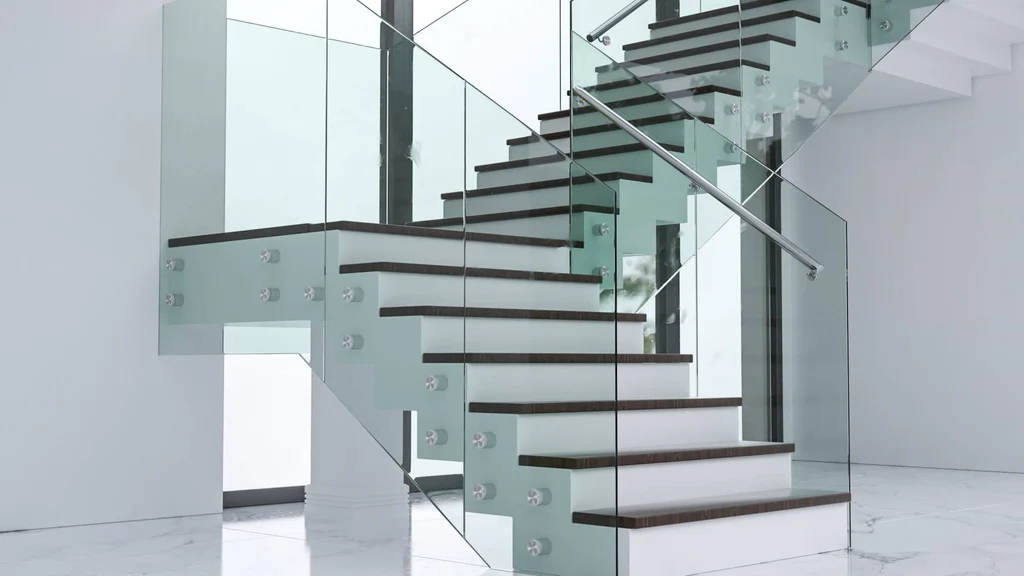
Over the last decade, architectural trends have shifted toward open, minimalist spaces. Property owners now prefer railing systems that maximize visibility and natural light while maintaining safety standards.
A glass balustrade achieves exactly that.
Unlike bulky railing systems that interrupt views, glass creates a seamless visual connection between indoor and outdoor spaces. This explains why developers frequently use glass railings in luxury homes, hotels, shopping centers, office buildings, and pool fencing projects.
According to recent architectural market reports, frameless and semi-frameless glass systems continue to grow in popularity because they combine safety with modern aesthetics.
Many contractors also prefer glass because it increases perceived property value. Homes with premium railing systems often appear larger, brighter, and more sophisticated.
For a deeper understanding of modern railing systems, visit unikim and explore their professional architectural railing solutions.
The Three Main Railing Systems
Before comparing performance, it is important to understand how each system works.
What Is a Glass Balustrade?
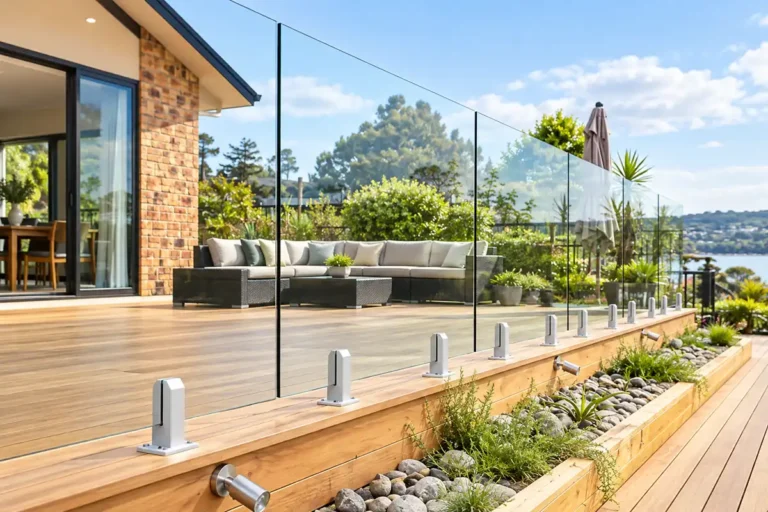
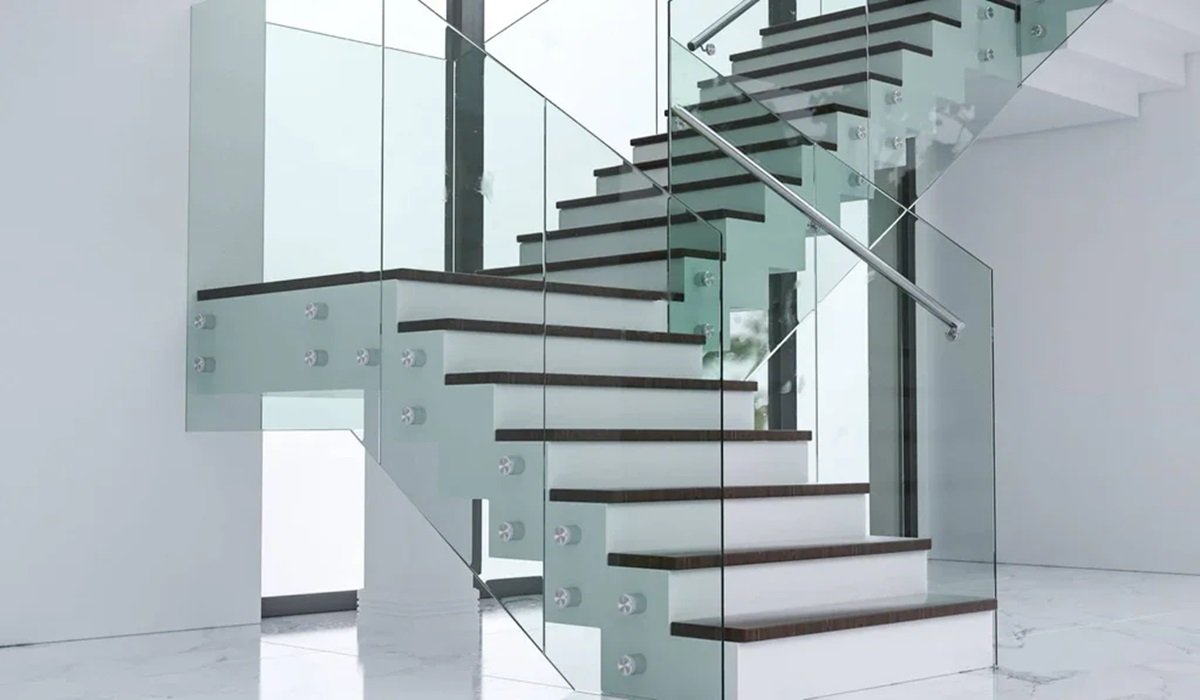
A glass balustrade uses tempered or laminated safety glass panels as the primary protective barrier. The glass is usually secured using stainless steel spigots, clamps, adaptors, or base shoe channels.
These systems may be:
- Frameless
- Semi-frameless
- Fully framed
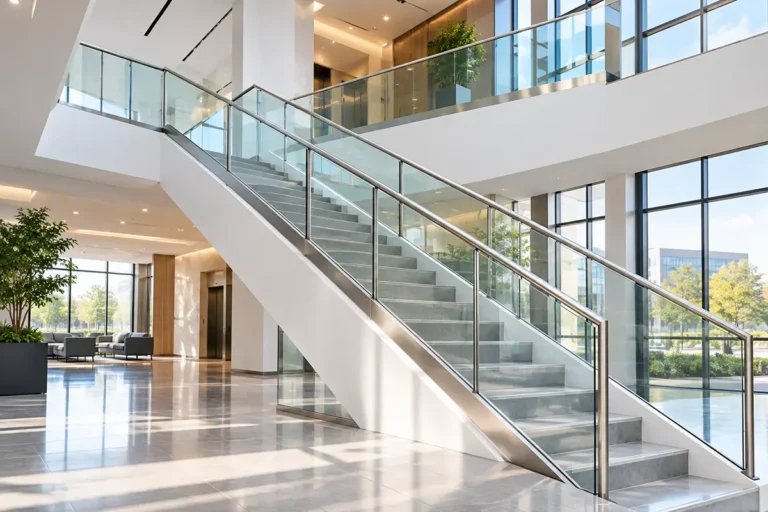
Glass balustrades are commonly used on balconies, staircases, terraces, decks, and swimming pools.
Contractors often choose systems from Custom Glass Balustrade Fittings because they provide flexibility for custom architectural designs.
What Is a Cable Railing System?
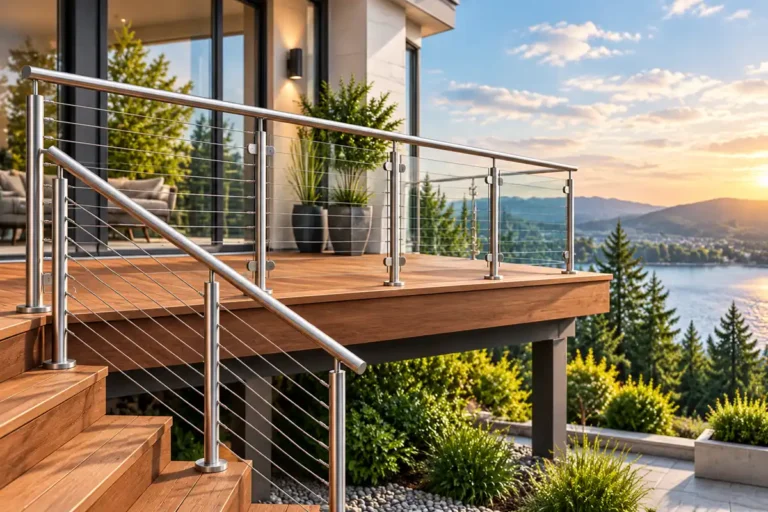
Cable railings use horizontal stainless steel cables stretched between metal posts. The cables create an open appearance while maintaining structural safety.
These systems are especially popular for:
- Outdoor decks
- Coastal homes
- Mountain properties
- Commercial terraces
Modern cable systems usually incorporate marine-grade stainless steel for corrosion resistance.
You can explore professional-grade options at Stainless Steel Cable Railing Systems.
What Is a Traditional Post System?
A post system uses vertical balusters or solid posts connected by handrails. Materials commonly include:
- Stainless steel
- Aluminum
- Wood
- Iron
Post systems are widely used because they are economical and relatively simple to install.
However, they often create a more traditional appearance compared to modern glass railing systems.
Glass Balustrade vs. Cable Railing vs. Post System
The following comparison helps contractors evaluate which system best suits different project requirements.
| Feature | Glass Balustrade | Cable Railing | Post System |
|---|---|---|---|
| Visibility | Excellent | Very Good | Moderate |
| Modern Appearance | Excellent | Modern Industrial | Traditional |
| Wind Protection | Excellent | Limited | Moderate |
| Maintenance | Moderate | Moderate | Depends on Material |
| Safety for Children | Excellent | Moderate | |
| Installation Complexity | Moderate to High | Moderate | Easy |
| Corrosion Resistance | Excellent with Stainless Hardware | Excellent | Material Dependent |
| Property Value Impact | High | Moderate | Moderate |
| Best for Luxury Projects | Yes | Sometimes | Rarely |
Why Contractors Prefer Glass Balustrade Systems
Maximum Visibility
One of the biggest advantages of a glass balustrade is uninterrupted visibility.
This matters greatly for:
- Oceanfront homes
- Rooftop terraces
- Luxury balconies
- Pool fencing
- Scenic commercial properties
Cable systems still introduce visual lines across the view. Traditional posts block visibility even more.
Glass panels eliminate visual clutter entirely.
This is one reason why frameless systems have become increasingly popular in luxury architecture.
Modern Architectural Appeal
Modern clients want clean lines and minimalist design.
A glass balustrade creates a sleek and sophisticated finish that complements:
- Contemporary homes
- Commercial offices
- Shopping centers
- Hotels
- Restaurants
Contractors working on high-end developments often choose glass because it instantly elevates the project appearance.
For example, How to Choose the Right Glass Balustrade explains how different glass systems match different architectural styles.
Superior Pool Safety
Glass pool fencing has become a preferred choice because it improves both safety and aesthetics.
Unlike cable systems, glass prevents children from climbing horizontal rails. It also creates a wind barrier around pool areas.
Many contractors now use:
- Frameless Pool Fencing Glass Railing
- Glass Railing for Pool Fencing
- Stainless Steel Pool Fence Installation
These systems create a premium resort-style appearance while maintaining compliance with pool safety regulations.
Strong Long-Term Durability
Modern tempered and laminated safety glass is extremely durable.
Most architectural glass systems resist:
- UV exposure
- Moisture
- Rust
- Corrosion
- Temperature changes
When paired with marine-grade stainless steel fittings, a glass balustrade can last for decades with minimal structural degradation.
Professional-grade spigots such as:
- Stainless Steel Glass Swimming Pool Fence Spigo
- Stainless Steel Glass Pool Fencing Spigot for Swimming Pools
- Side Mount Glass Fitting Spigot
provide excellent structural support for outdoor installations.
Where Cable Railing Systems Perform Best
Although glass systems dominate modern luxury construction, cable railing still offers important advantages.
Ideal for Outdoor Decks
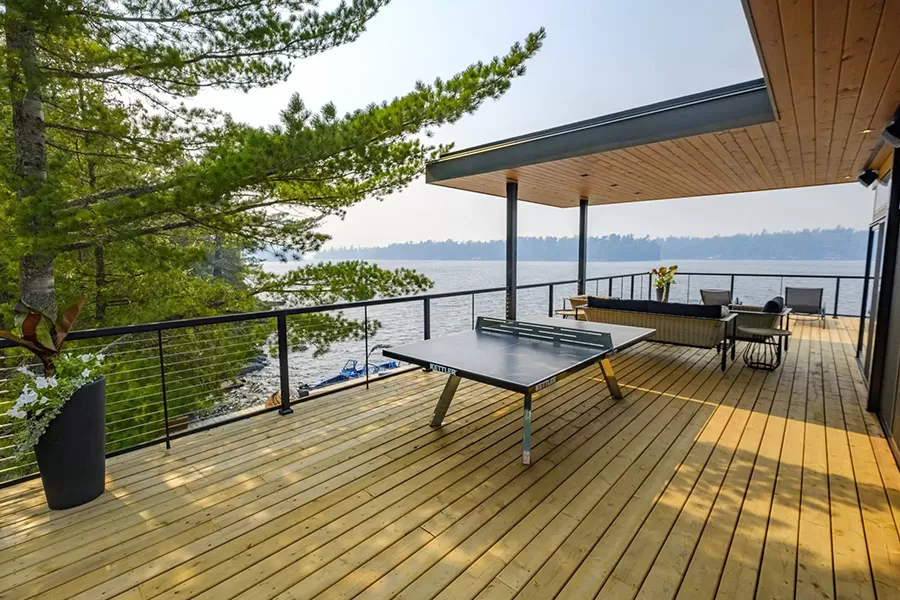
Cable railing works well for outdoor decks because it maintains airflow while preserving partial visibility.
Many homeowners prefer cable systems in:
- Mountain homes
- Forest cabins
- Rustic-modern architecture
The industrial aesthetic blends naturally with wood and steel structures.
Lower Initial Material Cost
Cable railing usually costs less upfront than a premium frameless glass balustrade.
However, contractors should also consider long-term maintenance and client expectations.
In luxury projects, clients often upgrade to glass later because they want a cleaner appearance.
Easier Transportation
Glass panels require careful handling during transport and installation.
Cable systems are lighter and easier to move, especially for remote projects.
This can reduce installation complications in difficult job-site conditions.
Limitations of Cable Railing Systems
Despite its popularity, cable railing has some limitations.
Horizontal Climb Risk
Many building codes regulate horizontal cable spacing because children may climb the cables like a ladder.
This is one area where a glass balustrade offers superior safety performance.
Regular Cable Tension Maintenance
Over time, cables can loosen due to:
- Temperature changes
- Structural movement
- Tension loss
Periodic adjustments are often necessary to maintain safety compliance.
Glass systems generally require less structural adjustment after installation.
Reduced Privacy
Cable railing provides limited privacy because it remains visually open.
Glass panels can be frosted or tinted to improve privacy while maintaining a modern appearance.
When Traditional Post Systems Make Sense
Traditional post systems still have a place in modern construction.
Budget-Conscious Projects
For projects with strict cost limitations, post systems remain a practical choice.
Materials such as aluminum or powder-coated steel provide affordable railing solutions.
Classic Architectural Styles
Some architectural styles still favor traditional railing aesthetics.
These include:
- Colonial homes
- Rustic lodges
- Historic renovations
In these cases, modern frameless glass may appear visually inconsistent.
Faster Installation
Traditional post systems generally install faster because contractors are familiar with the process.
Glass systems require more precise leveling and alignment.
However, modern mounting hardware has simplified many glass installations.
Installation Considerations Contractors Should Know
Structural Requirements
A glass balustrade requires proper structural engineering because glass panels transfer loads differently than cable or post systems.
Important considerations include:
- Wind load
- Base support
- Glass thickness
- Handrail requirements
- Local building codes
Using professional hardware systems is essential.
Contractors often choose Glass Balustrade Adaptors for Indoor and Outdoor Use because they improve installation stability and flexibility.
Maintenance Expectations
Each railing system requires different maintenance levels.
Glass Balustrade
- Occasional glass cleaning
- Minimal structural maintenance
- Excellent corrosion resistance
Cable Railing
- Cable retensioning
- Stainless steel cleaning
- Hardware inspection
Post System
- Paint or coating maintenance
- Rust prevention
- Joint inspection
Although glass cleaning is necessary, most clients consider it worthwhile for the visual benefits.
Cost Comparison: Which System Offers Better Value?
Initial cost and long-term value are not always the same.
| System | Initial Cost | Long-Term Value |
|---|---|---|
| Glass Balustrade | Higher | Excellent |
| Cable Railing | Moderate | Good |
| Post System | Lower | Moderate |
A glass balustrade often delivers better long-term ROI because it increases visual appeal and property value.
Luxury buyers consistently associate frameless glass systems with premium construction quality.
Best Applications for Each Railing System
Best Uses for Glass Balustrade
A glass balustrade works best for:
- Luxury homes
- Hotel balconies
- Rooftop decks
- Pool fencing
- Commercial buildings
- Indoor staircases
- Oceanfront properties
Best Uses for Cable Railing
Cable railing performs well in:
- Wood decks
- Rustic-modern homes
- Outdoor terraces
- Scenic cabins
- Industrial-style projects
Best Uses for Traditional Post Systems
Post systems remain practical for:
- Budget projects
- Traditional architecture
- Utility spaces
- Industrial facilities
Why Stainless Steel Matters in Modern Railing Systems
No matter which railing type contractors choose, stainless steel remains one of the most important materials.
High-quality stainless steel offers:
- Corrosion resistance
- Structural durability
- Minimal maintenance
- Modern appearance
Professional manufacturers such as Unikim China specialize in architectural stainless steel railing components for global projects.
Contractors can also explore installation demonstrations and railing system examples on the Unikim Railings YouTube Channel.
Choosing the Right Glass Balustrade for Your Project
Not every glass system fits every project.
Contractors should evaluate:
- Wind exposure
- Building height
- Local code requirements
- Client budget
- Desired aesthetics
- Maintenance expectations
Frameless systems create the cleanest appearance but require precise engineering. Semi-frameless systems offer a balance between cost and aesthetics. Fully framed systems maximize structural support in high-load environments. Understanding project requirements early helps avoid expensive revisions later.
Summary
Choosing between a glass balustrade, cable railing, and a traditional post system ultimately depends on the project goals, architectural style, safety requirements, and client expectations.
For luxury residential and commercial construction, glass systems continue to lead the market because they provide unmatched visibility, elegant aesthetics, and long-term value. Cable railing remains a strong option for rustic-modern outdoor projects, while traditional post systems still serve budget-conscious applications effectively. However, when contractors want the perfect combination of modern design, durability, safety, and premium visual appeal, a glass balustrade remains the clear industry favorite.
For technical support or project consultation, contractors can contact URailing Contact Page.
FAQs
Q: Is a glass balustrade stronger than cable railing?
A: Yes. A professionally installed glass balustrade using tempered or laminated safety glass offers exceptional structural strength and impact resistance. It also provides better wind protection than cable systems.
Q: Does a glass balustrade require a lot of maintenance?
A: A glass balustrade mainly requires routine cleaning to maintain clarity. Structural maintenance is usually minimal when high-quality stainless steel hardware is used.
Q: Which railing system is safest for swimming pools?
A: A glass balustrade is often considered the safest option for pool fencing because it prevents climbing and maintains clear visibility around the pool area.
Q: Is cable railing cheaper than glass balustrade systems?
A: In most cases, cable railing has a lower upfront cost. However, a glass balustrade may deliver better long-term value because of its premium appearance and property value benefits.
Q: Can glass balustrade systems work outdoors?
A: Yes. Modern glass balustrade systems are specifically designed for outdoor environments and resist corrosion, moisture, and UV exposure when installed with stainless steel fittings.
Q: What is the biggest advantage of a glass balustrade?
A: The biggest advantage of a glass balustrade is its ability to provide safety without blocking views or natural light.