Ask three installers for a price and you will often get three very different numbers. That is frustrating when you need to budget a deck, a balcony or a commercial fit-out. The honest answer is that glass railing cost per linear foot depends on a few choices you control: the mounting system, the glass, the stainless steel grade and the labor on site.
At UNIKIM, we have manufactured glass railing hardware in Ningbo since 2003. We price these systems for distributors and contractors every week. This guide breaks the cost down line by line, so you can see where the money goes and where you can save without cutting corners on safety.
Glass Railing Cost per Linear Foot: The Quick Answer
Across the US, a glass railing typically costs $150 to $600 per linear foot installed, according to HomeGuide’s glass railing cost data. Most homeowners and small contractors land somewhere in the middle of that range.
That figure splits into two parts. Materials, meaning glass, posts and hardware, run about $100 to $400 per linear foot. Labor then adds roughly $50 to $200 per linear foot, depending on the site and the installer.
Length matters too, because the price per foot stays fairly steady while the total climbs. The table below uses the same source to show typical installed totals.
| Railing length | Typical installed cost |
|---|---|
| 10 linear feet | $1,500 – $6,000 |
| 20 linear feet | $3,000 – $12,000 |
| 30 linear feet | $4,500 – $18,000 |
In practice, simple framed systems with 3/8″ glass sit at the low end. By contrast, frameless systems with thick laminated glass, custom cuts and stainless steel spigots sit at the top.
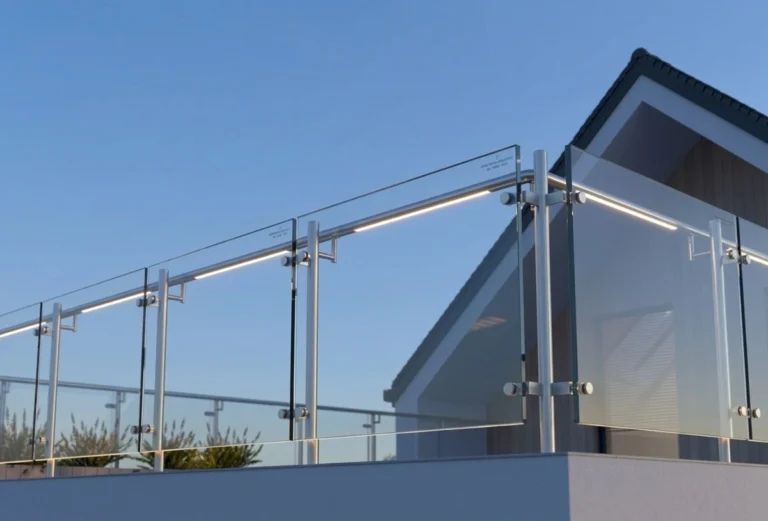
[Image: Frameless glass deck railing with stainless steel spigots]
What You Are Actually Paying For
Every quote is built from the same four blocks: glass, posts or mounts, small hardware and labor. Once you see them separately, it becomes much easier to compare two offers fairly.
Glass panels
Glass is usually the biggest single material cost. HomeGuide puts glass panels at $80 to $200 per linear foot. Most standard panels are 3/8″ thick. However, longer panels and windy sites often need 1/2″ or 3/4″ glass, which costs more.
Finish also changes the price. Tinted, etched or frosted glass typically adds 10% to 15% to the glass cost. Polished or beveled edges add a little more again.
Posts, spigots and small hardware
Next come the parts that hold the glass. Posts typically cost $40 to $100 each, while clamps and handrail brackets usually run $10 to $20 each. A top rail adds about $50 to $100 per linear foot, and a separate handrail adds $100 to $200 per linear foot.
Frameless systems replace posts with glass spigots, standoffs or a continuous base shoe. These parts are heavier and more precise, so they cost more per piece. On the other hand, they give the clean, open look most buyers want.
Installation labor
Labor usually runs $50 to $200 per linear foot, or $50 to $150 per hour for a railing installer. A straight, rectangular deck is the quickest job. Curved stairs, side-mounted glass and high balconies take longer, so they push labor toward the top of the range.
Frameless Glass Railing Cost vs Framed and Semi-Frameless
The mounting system is the biggest lever on your budget. Each option trades cost against appearance, so it helps to compare them side by side.
| System | How the glass is held | Relative cost | Best for |
|---|---|---|---|
| Framed (posts and rails) | Glass sits in a frame between posts | Lowest | Decks, budget projects |
| Semi-frameless (posts and clamps) | Clamps fix glass to posts | Low to medium | Stairs, corridors |
| Spigot frameless | Two spigots per panel | Medium to high | Balconies, pool fences |
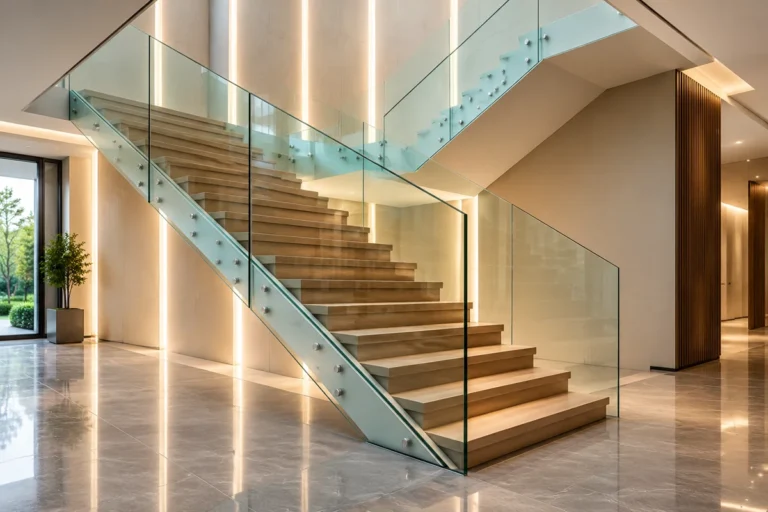
| Standoff frameless | Glass fixed to the slab edge | Medium to high | Stairs, mezzanines |
| Base shoe frameless | Continuous aluminum channel | Highest | Commercial, tall glass |
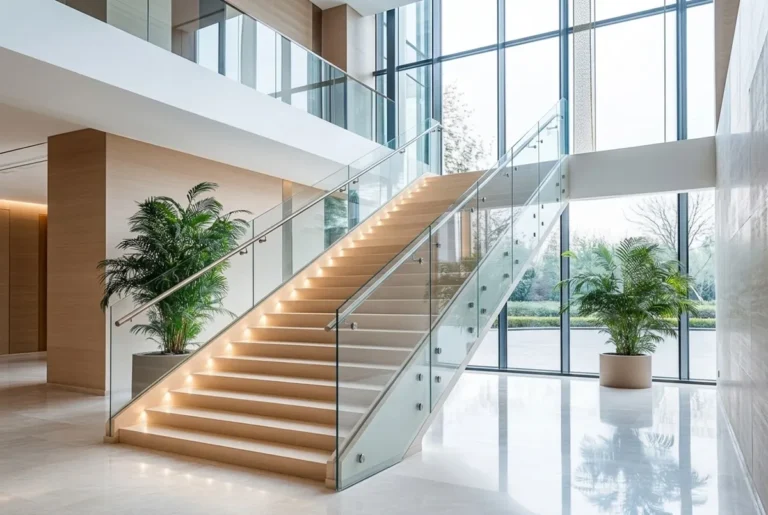
Semi-frameless systems are the budget favorite for stairs. For example, a square glass clamp on a stainless post costs far less than a heavy spigot. It also lets you replace one panel at a time.
Frameless systems cost more because the hardware does all the structural work. A continuous aluminum base shoe is the most expensive per foot. Even so, it is often the fastest way to set tall or heavy glass, which saves labor on large jobs.
For a deeper comparison of each mount, read our guide to choosing glass railing mounting hardware.
Materials and Technical Details That Change the Price
Two railings can look identical in a photo and still differ by hundreds of dollars per foot. The difference is usually hidden in the glass build-up and the steel grade.
Glass type and thickness
Tempered glass is the entry point. Laminated glass costs more because it bonds two tempered or heat-strengthened plies with an interlayer. As a result, it stays in place if a panel breaks. For commercial guards, the International Building Code (IBC), Section 2407 calls for laminated glass, which pushes commercial budgets up.
Common laminated build-ups include 12.76 mm (6+6), 17.52 mm (8+8) and 21.52 mm (10+10). Thicker glass spans wider and handles more load, but it also needs heavier hardware to match.
Stainless steel grade
Grade 304 stainless steel suits dry indoor areas and is the lowest-cost option. Grade 316 contains molybdenum, so it resists salt and chlorine much better. For that reason, it costs more, and it is the right choice for outdoor, coastal and pool projects.
Duplex 2205 sits above both in strength and corrosion resistance. We recommend it for very aggressive sites, such as pool fences and seafront balconies. The upfront cost is higher, but you avoid tea staining and early replacement.
Finish
Satin and mirror polish are the standard finishes. Matte black and other colored finishes cost more because they add a coating step. Still, many architects choose them because black hardware frames glass so well.
| Choice | Economy | Mid-range | Premium |
|---|---|---|---|
| Glass | 3/8″ tempered | 1/2″ tempered | Laminated 17.52 mm or thicker |
| Steel grade | 304 | 316 | 2205 duplex |
| Mounting | Posts and clamps | Spigots or standoffs | Base shoe |
| Finish | Satin | Mirror | Matte black |
Glass Balcony Railing Price: Why Balconies Cost More
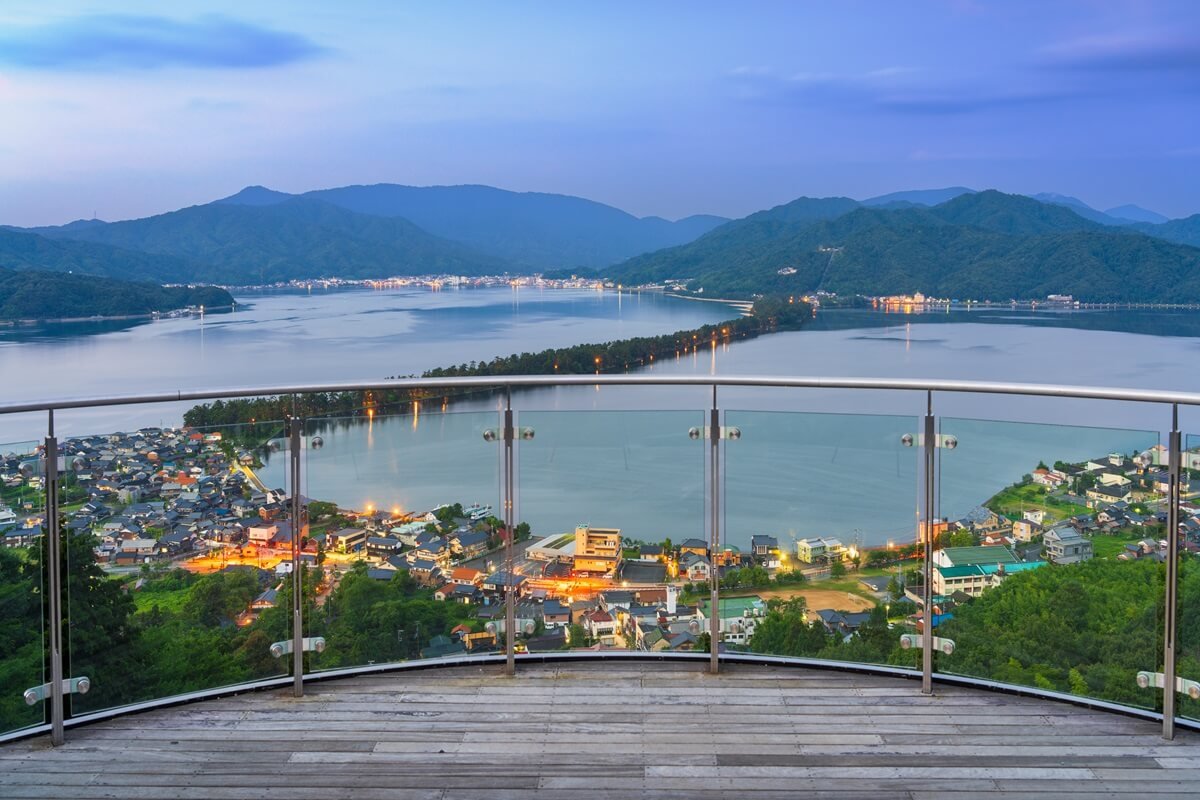
Balconies often cost more per foot than a ground-level deck. First, balcony guards on commercial and multi-family buildings usually need to be 42 inches high, so the panels are taller. Second, wind load is higher on upper floors, which often calls for thicker laminated glass.
Access adds cost as well. Installers may need lifts or scaffolding, and side-mounted glass takes longer to set and align. In addition, many balcony projects use 316 or 2205 steel because of rain and coastal air.
Glass Railing Cost per Linear Foot by Project Type
The same hardware can cost very different amounts to install, depending on where it goes. Here is how the glass railing cost per linear foot usually shifts from one project type to another.
Decks
A straight, rectangular deck is the simplest job. Outdoor decks often use thicker glass and stainless steel posts, so materials cost a little more than indoors. However, labor is often lower, because a square deck is quick to set out and fix.
Interior stairs
HomeGuide puts interior glass stair railings in the same $150 to $600 per linear foot range. Straight flights are straightforward. By contrast, curved or winding stairs need custom glass shapes and more careful fitting, so they sit at the top of the range.
Pool fences
Pool fencing adds gates, hinges and latches, which raise the total. It also needs 316 or 2205 spigots, because chlorine attacks lower grades quickly. As a result, the glass railing cost per linear foot for a pool fence is usually higher than for a deck of the same length.
Commercial projects
Commercial jobs usually need 42-inch guards, laminated glass and engineering sign-off. They also involve longer runs, which helps. When you order large quantities of matching parts, the glass railing cost per linear foot for hardware often drops, even if glass and labor stay high.
Our commercial railing solutions page explains how we budget larger projects for contractors and architects.
Code and Safety Points That Affect Your Budget
Building codes set the minimum, and they shape the final price more than most buyers expect. In the US, most homes follow the International Residential Code, which generally requires guards on surfaces more than 30 inches above the ground.
Residential guards are typically at least 36 inches high, while commercial guards are typically 42 inches. In both cases, openings must stop a 4-inch sphere. Commercial guards also need to resist a 200 lb concentrated load and a 50 lb per foot line load at the top.
Glass in railings must also be safety glazing. In the US, that means glass tested to CPSC 16 CFR 1201 or ANSI Z97.1. Always check local amendments, because some cities add stricter rules.
How to Lower Your Glass Railing Cost per Linear Foot
You can cut the budget without cutting safety. The trick is to make smart choices early, before the glass is ordered.
Use standard panel widths. Custom sizes cost more to cut and temper. Therefore, design runs around a few repeat widths wherever you can.
Choose longer panels, carefully. Longer panels cost less per linear foot. However, panels of 5 feet or more usually need at least 1/2″ glass, so balance length against thickness.
Match the system to the area. Use clamps and posts on stairs and corridors, and save frameless spigots for the view side of a balcony. Mixing systems this way can lower the average price per foot.
Ask for pre-drilled or pre-notched glass. Factory drilling costs a little more. Even so, it reduces labor because panels install faster on site.
Buy matched hardware from one manufacturer. When posts, spigots, gaskets and fixings come from one factory, they fit together first time. That saves both money and installer hours. Our guide on how to install frameless glass railings shows how much time good hardware saves.
What to Ask a Glass Railing Supplier Before You Order
A low price per foot means little if the parts arrive late or do not fit. Before you sign, ask each supplier the same questions:
- Which stainless steel grade is each part, and can you confirm it in writing?
- Which glass thicknesses does each spigot, clamp or shoe accept?
- Do you supply gaskets and fixings, or only the main parts?
- Which finishes are available, and do they match across the system?
- What is the lead time, and how is the order packed for export?
Clear answers to these questions protect your margin. They also make it easy to compare quotes on a like-for-like basis.
Why Buy Glass Railing Hardware from a Manufacturer
Buying direct from the factory removes at least one layer of markup. For distributors and contractors, that gap is often the difference between a good job and a thin one.
UNIKIM has made railing hardware in Ningbo since 2003. We manufacture in AISI 304, 316 and 2205 stainless steel, as well as aluminum and zinc. Our catalogue covers more than 4,000 items, from spigots and standoffs to 304 and 316 glass railing wall standoffs, and we supply both wholesale and OEM orders.
You can also see our factory and product range on our UNIKIM Made-in-China showroom.
FAQ About Glass Railing Cost
How much does glass railing cost per linear foot?
Most US projects cost $150 to $600 per linear foot installed. Materials usually account for $100 to $400 of that, and labor adds $50 to $200. Your final glass railing cost per linear foot depends on the mounting system, glass thickness, steel grade and site access.
Is frameless glass railing more expensive than framed?
Yes, in most cases. Frameless systems use thicker glass and heavier spigots, standoffs or base shoe, because the hardware carries all the load. As a result, frameless sits near the top of the glass railing cost per linear foot range, while framed systems sit near the bottom.
What is the cheapest glass railing option?
A framed or semi-frameless system with 3/8″ tempered glass and 304 posts is usually the cheapest. It is a good fit for indoor stairs and simple decks. For outdoor or coastal sites, upgrade to 316 steel, even if your glass railing cost per linear foot rises slightly.
Does laminated glass cost more than tempered glass?
Yes. Laminated glass costs more because it combines two glass plies with an interlayer. However, it stays in place if a panel breaks, and the IBC calls for it in commercial guards. For many projects, it is worth the higher glass railing cost per linear foot.
How much does glass railing hardware cost on its own?
Hardware typically adds $10 to $100 per linear foot, and posts cost about $40 to $100 each. Clamps and handrail brackets usually run $10 to $20 each. Buying from a manufacturer can lower this part of your glass railing cost per linear foot.
Summary
A glass railing is an investment, and the price range is wide for good reasons. The mounting system, glass build-up, steel grade and labor explain almost every difference between quotes. Once you understand those four blocks, you can compare offers fairly and decide where to spend.
For most projects, the best value comes from standard panel sizes, the right grade for the site and matched hardware from one factory. If you want a clear breakdown of your own glass railing cost per linear foot, send us your drawings or measurements. Contact the UNIKIM team for a hardware quotation and technical advice.