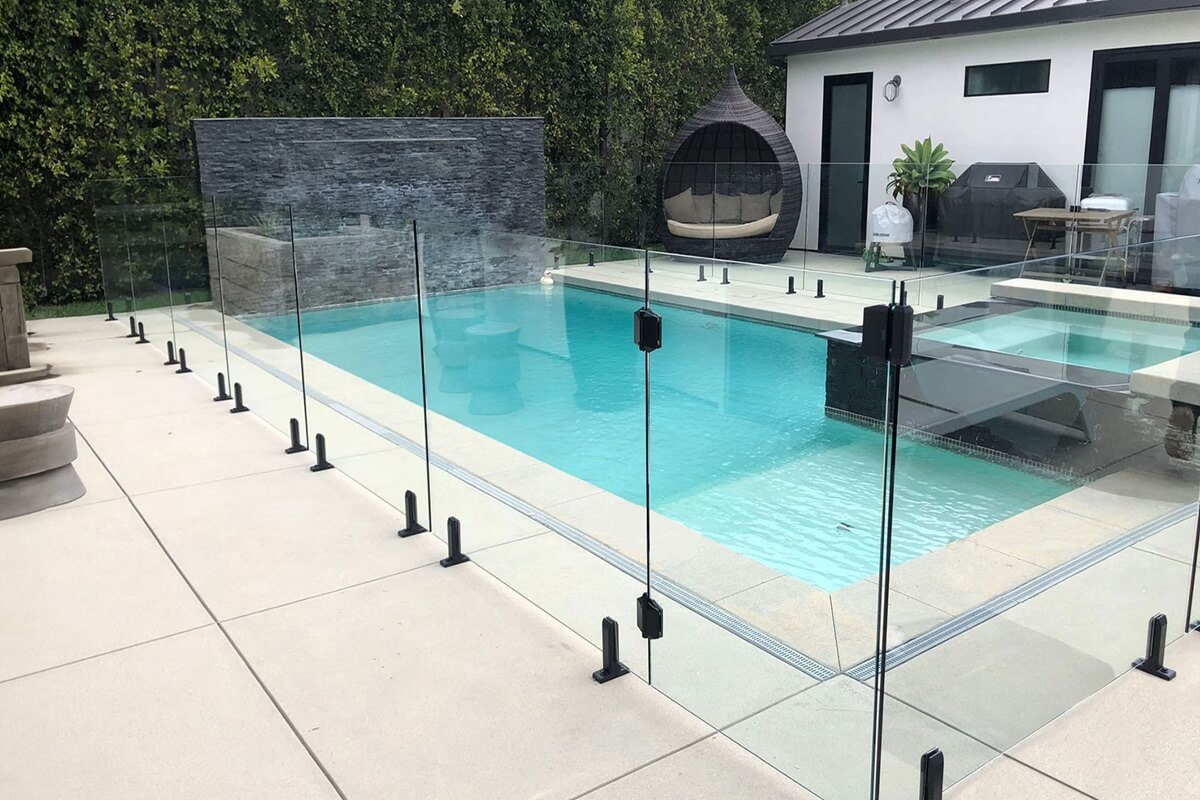
A well-designed pool area should feel open, safe, and visually appealing at the same time. That’s exactly why Glass Railing for Pool Fencing has become a top choice for homeowners, architects, and property developers. It blends safety with elegance, creating a barrier that protects without blocking the view.
If you’re planning a pool fencing project, understanding the materials, safety standards, installation methods, and costs is essential. This in-depth guide will walk you through everything you need to know about Glass Railing for Pool Fencing, helping you make informed decisions that balance style and security.
Why Choose Glass Railing for Pool Fencing?

Pool safety is not optional. At the same time, no one wants to surround a beautiful pool with bulky, unattractive barriers. This is where Glass Railing for Pool Fencing stands out.
Glass fencing offers a rare combination of functionality and design. Unlike traditional metal or wooden fences, it provides a clear line of sight across the pool area. This visibility improves supervision, which is especially important for families with children.
According to global safety guidelines, drowning is a leading cause of accidental death among children under five. Transparent barriers like glass railings significantly improve visibility, allowing quicker response times.
Beyond safety, glass railings elevate the overall aesthetic. They create a clean, high-end look that increases property value and enhances outdoor living spaces.
Glass Railing Systems for Pools
Before installing a Glass Railing for Pool Fencing, it helps to understand how these systems work.
A standard system typically includes:
- Tempered or laminated glass panels
- Stainless steel spigots or posts
- Mounting hardware
- Optional top rails
If you’re new to railing systems, this guide on what is a railing system explains the fundamentals clearly.
Modern systems are designed to meet strict safety codes while maintaining minimal visual interruption.
Types of Glass Railing for Pool Fencing
Frameless Glass Pool Fencing
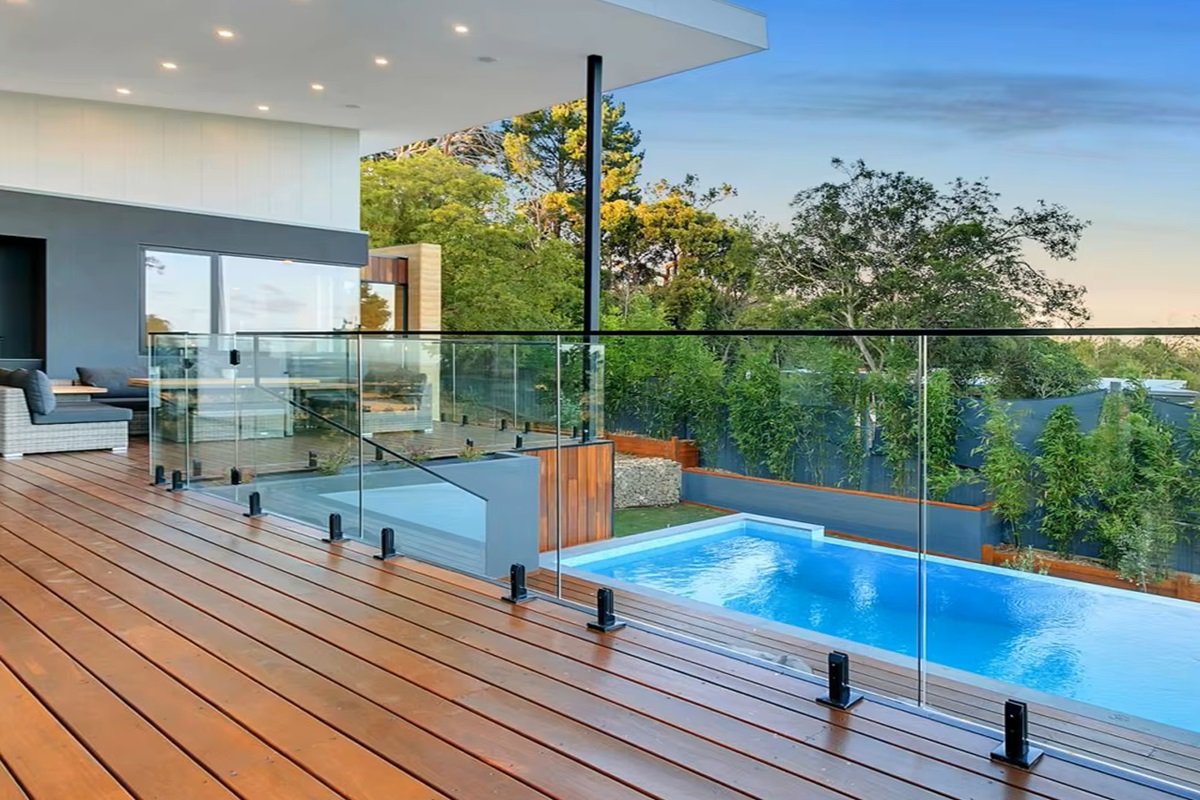
Frameless systems are the most popular option today. They use minimal hardware, usually spigots mounted at the base.
You can explore options like frameless pool fencing glass railing systems for a sleek, uninterrupted view.
Semi-Frameless Glass Fencing
This option uses vertical posts between panels. It offers more structural support while still maintaining a modern look.
Fully Framed Glass Fencing
Although less common for pools, fully framed systems provide maximum durability. However, they sacrifice some visual appeal.
Key Components of Glass Pool Fencing System
Understanding each component helps ensure a reliable installation.
Glass Panels
The heart of any Glass Railing for Pool Fencing system is the glass itself.
Most systems use:
- Tempered glass (10–12 mm thick)
- Laminated glass for added safety
Tempered glass is up to five times stronger than regular glass, making it ideal for high-traffic outdoor areas.
Spigots and Mounting Hardware
Spigots hold the glass panels securely in place. They are typically made from stainless steel.
You can find durable options at:
- glass railing spigots for pool fencing
- stainless steel pool fencing spigots
- premium glass pool fencing spigot systems
Optional Top Rails
Some designs include a top rail for added support. While not always necessary, it can improve stability in high-wind areas.
Best Materials for Long-Term Durability
Material choice plays a huge role in the lifespan of your Glass Railing for Pool Fencing.
Stainless Steel Hardware
Stainless steel is the preferred choice for outdoor environments.
- Grade 304 works for indoor or dry climates
- Grade 316 is ideal for outdoor and poolside environments
316 stainless steel resists corrosion from water and chemicals, including chlorine.
Glass Quality Matters
High-quality glass ensures both safety and longevity. Always choose certified tempered or laminated glass that meets local safety standards.
Installation Best Practices for Glass Railing for Pool Fencing

Proper installation determines how well your system performs over time.
Accurate Layout Planning
Start by measuring your pool area carefully. Maintain consistent spacing between panels to ensure both safety and visual balance.
Secure Anchoring
Spigots must be anchored securely into concrete or reinforced surfaces. Weak anchoring can compromise the entire system.
For professional insights, check this stainless steel pool fence installation guide.
Panel Alignment
Even slight misalignment can affect both aesthetics and structural integrity. Use leveling tools for precision.
Proper Tightening
Avoid over-tightening hardware. Excess pressure can damage glass panels or reduce their lifespan.
Safety Standards and Regulations
Safety regulations vary by region, but most share common requirements.
Typical standards include:
- Minimum fence height of 1.2 meters (4 feet)
- Self-closing and self-latching gates
- No climbable gaps or footholds
Following these guidelines ensures your Glass Railing for Pool Fencing meets legal requirements and protects users effectively.
Cost Breakdown of Glass Pool Fencing
| Component | Estimated Cost (USD) |
|---|---|
| Glass Panels | $80–$200 per panel |
| Spigots | $30–$100 each |
| Installation | $50–$120 per hour |
| Total System | $200–$600 per linear foot |
While the upfront cost may be higher than traditional fencing, the long-term value and durability often justify the investment.
Glass vs Traditional Pool Fencing: A Comparison
| Feature | Glass Railing | Metal/Wood Fence |
|---|---|---|
| Visibility | Excellent | Limited |
| Maintenance | Low | Moderate |
| Aesthetic Value | High | متوسط |
| Durability | High | Medium |
Glass railing systems clearly outperform traditional options in both design and functionality.
High-Quality Glass Railing Systems
Choosing a reliable supplier is essential for a successful project.
You can explore premium solutions at: For manufacturing insights, visit Unikim’s industrial profile. You can also watch installation videos on their YouTube channel.
Summary
Glass Railing for Pool Fencing offers the perfect combination of safety, durability, and modern design. It enhances visibility, meets strict safety standards, and adds a premium look to any pool area.
By choosing high-quality materials, following best installation practices, and maintaining your system properly, you can enjoy a secure and visually stunning pool environment for years to come.
If you need expert advice or customized solutions, feel free to contact for professional guidance.
FAQs
Q. Is glass railing for pool fencing safe for families?
A. Yes, Glass Railing for Pool Fencing is extremely safe when installed with tempered or laminated glass and proper hardware.
Q. How thick should the glass be?
A. Most Glass Railing for Pool Fencing systems use 10–12 mm thick tempered glass for durability and safety.
Q. Does glass pool fencing require a lot of maintenance?
A. No, Glass Railing for Pool Fencing requires minimal maintenance, mainly cleaning and occasional hardware checks.
Q. Can glass railing withstand weather conditions?
A. Yes, high-quality Glass Railing for Pool Fencing systems use 316 stainless steel and tempered glass to resist weather and corrosion.
Q. Is glass fencing more expensive than traditional fencing?
A. Initially, yes. However, Glass Railing for Pool Fencing offers better durability and aesthetics, making it a worthwhile investment.