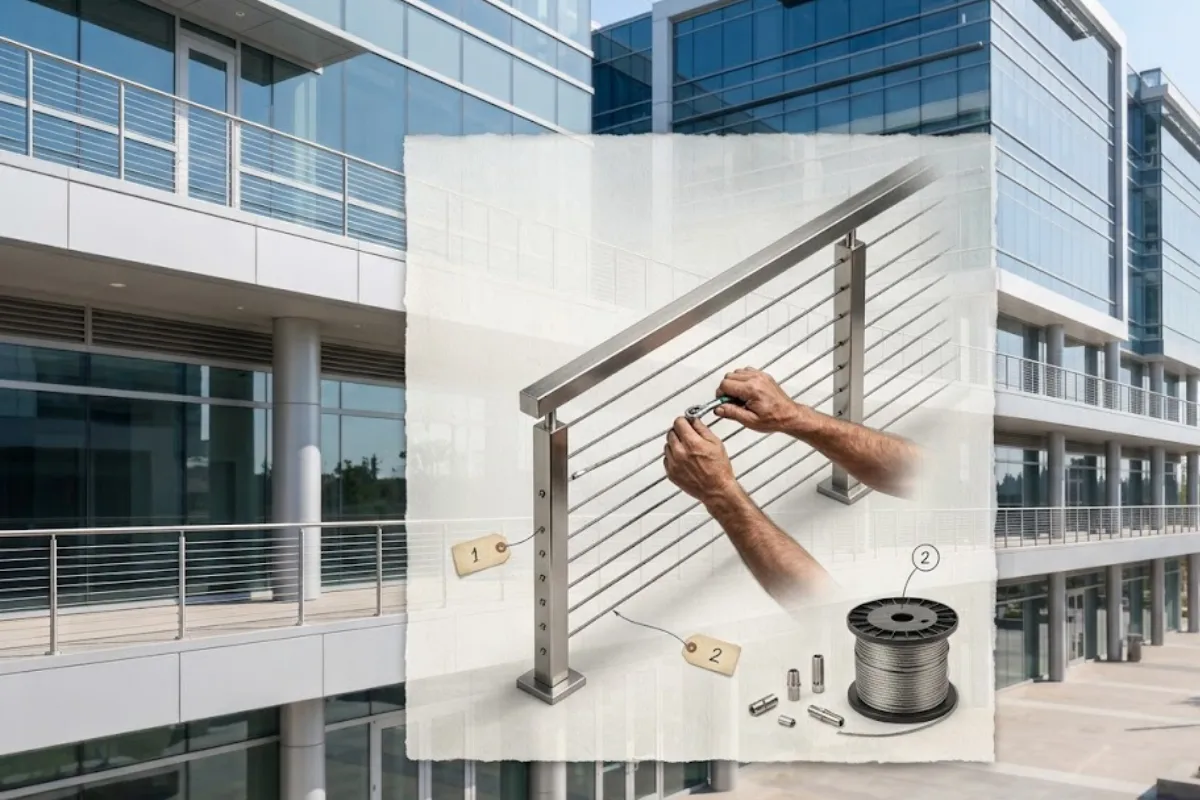
When you’re managing a large-scale construction or renovation project, every material decision carries weight, but few choices are as visible, safety-critical, and long-lasting as your railing system. SS Cable Railing has become the go-to solution for architects, developers, contractors, and facility managers who want a sleek, modern look combined with structural reliability. However, the success of your project doesn’t just depend on the product; it depends on the supplier behind it.
Choosing the right supplier for Stainless Steel Cable Railing can mean the difference between a project that finishes on time and on budget, and one plagued by delays, inconsistent quality, and costly rework. In this guide, we’ll walk through exactly how to choose stainless steel railing suppliers who can meet the demands of large-scale commercial, residential, and institutional projects.
Understanding the Importance of the Right SS Cable Railing Supplier
When sourcing materials for large-scale developments, procurement decisions extend beyond pricing. The supplier’s capabilities directly affect installation efficiency, compliance, safety, and project timelines.
An experienced SS Cable Railing supplier can provide:
- Consistent product quality
- Technical support
- Engineering expertise
- Custom manufacturing capabilities
- Reliable logistics
- Compliance documentation
- Long-term partnership opportunities
On the other hand, selecting an inexperienced supplier can lead to delays, quality issues, increased maintenance costs, and project overruns.
Why SS Cable Railing Is the Preferred Choice for Large-Scale Projects
Before diving into supplier selection, it’s worth understanding why SS Cable Railing has become so popular across large developments from high-rise balconies to waterfront decks, stadiums, corporate campuses, and multi-unit residential complexes.
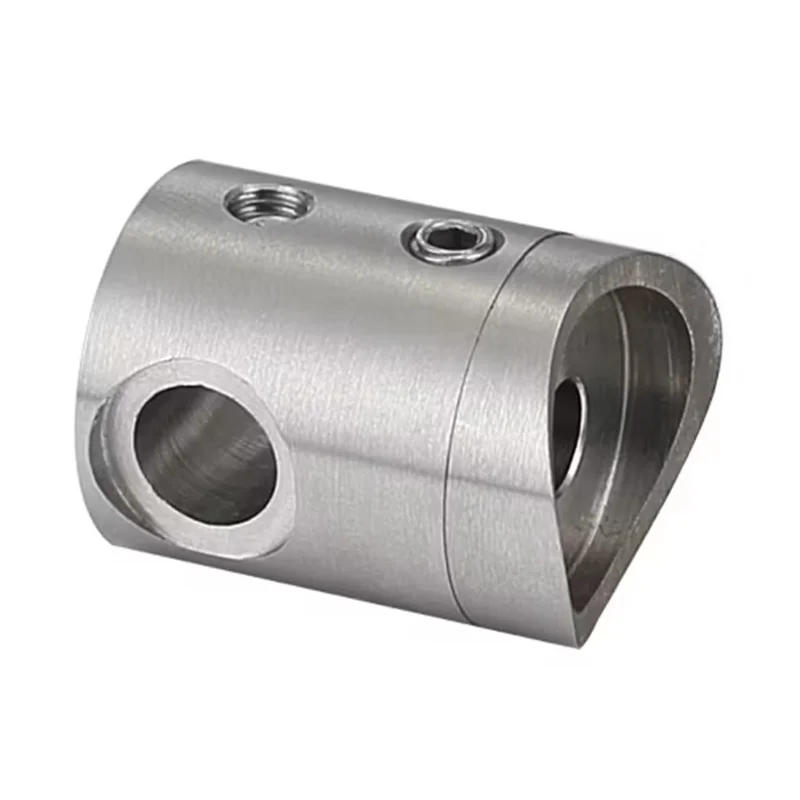
- Durability: Stainless steel resists corrosion, rust, and weathering, making it ideal for both indoor and outdoor applications.
- Low Maintenance: Unlike wood or wrought iron, SS Cable Railing requires minimal upkeep over its lifespan.
- Unobstructed Views: The thin cable design preserves sightlines, which is especially valuable for properties with scenic views, pools, or open-concept architecture.
- Code Compliance: When properly engineered, cable railing systems meet strict building and safety codes required for commercial-scale projects.
- Design Flexibility: SS Cable Railing pairs well with wood, glass, and metal framing, allowing architects to customize aesthetics without compromising strength.
Given these advantages, it’s no surprise that large-scale project managers increasingly search for reliable cable railing kit manufacturers who can deliver at scale without sacrificing quality.
Sourcing SS Cable Railing at Scale
While a single homeowner might only need one cable railing kit for a small deck, large-scale projects require:
- Bulk quantities of consistent, code-compliant materials
- On-time delivery across multiple phases or job sites
- Custom engineering for varying railing lengths, angles, and load requirements
- Ongoing technical support throughout installation
- Long-term supplier relationships for future maintenance or expansion
This is where many contractors and developers get stuck. Not every supplier that sells Stainless Steel Cable Railing is equipped to handle the complexity, volume, and coordination that large projects demand. Below, we break down exactly what to look for.
How to Choose Stainless Steel Railing Suppliers: 9 Critical Factors
1. Manufacturing Capacity and Consistency
For large-scale projects, your supplier’s ability to produce SS Cable Railing components at volume — without sacrificing quality or consistency — is non-negotiable. Ask potential suppliers:
- What is your maximum production capacity per month?
- Do you manufacture in-house or outsource components?
- How do you ensure consistency across large batch orders?
A supplier with in-house manufacturing typically offers better quality control and faster turnaround than one relying on multiple subcontracted vendors.
2. Material Grade and Certification
Not all stainless steel is created equal. When evaluating Stainless Steel Cable Railing suppliers, confirm the grade of steel used typically 316 or 316L marine-grade stainless steel is recommended for coastal or high-humidity environments, while 304-grade may suffice for standard interior or drier climates.
Ask for:
- Material certification documents (mill test reports)
- Third-party testing results for tensile strength and corrosion resistance
- Compliance with relevant building codes (IBC, OSHA, or local equivalents)
A reputable supplier will provide this documentation without hesitation — it’s a strong signal of transparency and quality assurance.
3. Engineering and Custom Design Support
Large-scale projects rarely use off-the-shelf specifications. Your SS Cable Railing supplier should offer engineering support to help you:
- Calculate load-bearing requirements for cable spacing and tension
- Customize post heights, spacing, and mounting hardware
- Adapt designs for stairs, curves, angles, and multi-level installations
Suppliers who provide in-house engineering or CAD drawing support can significantly reduce costly design errors before installation begins.
4. Product Range: Beyond the Basic Cable Railing Kit
While a standard cable railing kit may work for smaller residential jobs, large-scale developments often require a broader product ecosystem, including:
- Various post styles (surface-mount, core-drill, fascia-mount)
- Multiple cable diameters and configurations
- Compatible handrails, top rails, and glass panel integration
- Custom finishes (brushed, polished, powder-coated)
A supplier with a comprehensive product range allows you to standardize procurement across different building sections, reducing complexity for your procurement and installation teams.
5. Proven Track Record on Large-Scale Projects
Ask potential suppliers for case studies or references from similar large-scale projects. A supplier experienced in commercial or multi-family developments will understand:
- Phased delivery schedules
- Coordination with general contractors and subcontractors
- On-site technical troubleshooting
- Documentation required for commercial building inspections
This is one of the most reliable ways to distinguish between a supplier that sells to hobbyists and one that serves serious construction projects.
6. Lead Times and Logistics Capabilities
Delays in railing delivery can stall an entire project phase. When evaluating Stainless Steel Cable Railing suppliers, ask:
- What is your standard lead time for bulk orders?
- Can you accommodate phased shipments across multiple job sites?
- Do you have contingency plans for supply chain disruptions?
A supplier with strong logistics infrastructure, including reliable freight partnerships and warehousing, reduces the risk of costly downtime.
7. Pricing Transparency and Total Cost of Ownership
While upfront pricing matters, large-scale buyers should evaluate the total cost of ownership, including:
- Maintenance costs over the product’s lifespan
- Warranty coverage and what it includes
- Replacement part availability
- Long-term corrosion resistance (which affects repair frequency)
A cheaper SS Cable Railing system that requires frequent maintenance or premature replacement can end up costing more over 10–20 years than a higher-quality option from a reputable supplier.
8. Technical Support and After-Sales Service
Large projects don’t end at delivery. Installation teams need responsive technical support to handle on-site adjustments, unexpected conditions, or questions about tensioning and hardware assembly. Look for suppliers who offer:
- Dedicated account managers for large orders
- Installation guides and training resources
- Responsive customer service during and after installation
9. Sustainability and Compliance Practices
Increasingly, developers and property owners are prioritizing sustainable sourcing. Ask suppliers about:
- Recyclability of stainless steel materials
- Environmental certifications
- Compliance with green building standards (LEED, etc.), if relevant to your project
This can also support marketing efforts for developers targeting eco-conscious tenants or buyers.
A Buyer’s Guide to Stainless Steel Cable Railing Kits
When issuing a Request for Proposal (RFP) to potential suppliers, make sure to specify:
- Project scope — total linear footage of railing needed
- Application type — balconies, staircases, decks, rooftop terraces, etc.
- Environmental conditions — coastal, high-altitude, urban, etc.
- Design specifications — post spacing, cable diameter, finish preferences
- Delivery timeline — including phased delivery if applicable
- Budget range — to align supplier options with project financials
- Compliance requirements — local building codes and safety standards
A clear, detailed RFP not only speeds up the supplier selection process but also helps you receive accurate, comparable quotes from multiple vendors.
Red Flags to Watch Out For When Selecting an SS Cable Railing Supplier
While evaluating suppliers, be cautious of:
- Vague material specifications — reputable suppliers are transparent about steel grade and certifications.
- No portfolio of large-scale projects — a lack of relevant experience increases project risk.
- Unrealistic lead times — if a quote seems too good to be true regarding speed, it likely is.
- Poor communication during the quoting process — this often signals what to expect during actual project execution.
- No engineering or technical support — a red flag for complex or custom installations.
Partnering with the Right Supplier
Selecting a SS Cable Railing Supplier isn’t just a one-time transaction for developers, contractors, and property management companies; it’s often the beginning of a long-term relationship. Future phases, renovations, repairs, or additional properties may all depend on your ability to reorder consistent, compatible materials from the same source.
By choosing a supplier who demonstrates:
- Manufacturing reliability
- Engineering expertise
- Transparent pricing
- Strong logistics and support
You’re not just solving a single project’s railing needs, you’re building a scalable partnership that can support your business across multiple future developments.
Final Summary
Choosing the right SS Cable Railing supplier is one of the most important procurement decisions for large-scale construction and infrastructure projects. The ideal supplier delivers more than high-quality products—they provide technical expertise, manufacturing reliability, customization capabilities, logistics support, and long-term partnership value.
When evaluating potential suppliers, focus on quality standards, project experience, production capacity, compliance, customization, and customer support. Consider total lifecycle value rather than initial cost alone.
As demand for Stainless Steel Cable Railing continues to grow across commercial, residential, hospitality, and public infrastructure sectors, partnering with a trusted supplier can help ensure successful project execution, enhanced safety, and lasting architectural appeal.
Whether you are researching How to Choose Stainless Steel Railing systems or seeking a comprehensive Buyer’s Guide to Stainless Steel Cable Railing Kits, selecting a proven supplier remains the foundation of every successful railing installation. By investing time in supplier evaluation today, businesses can achieve better project performance, reduced risks, and greater long-term returns from their SS Cable Railing investment.
FAQs
Why is choosing the right SS cable railing supplier critical for large-scale projects?
Large-scale commercial or residential projects have tight timelines, strict building codes, and massive material requirements. A specialized SS cable railing supplier ensures you receive consistent material quality (like marine-grade stainless steel), certified load-testing compliance, and the bulk inventory capacity needed to prevent costly project delays.
What grade of stainless steel should I look for in commercial cable railing?
For most large-scale or outdoor projects, Grade 316 Stainless Steel (316 SS) is the industry standard. It contains molybdenum, which provides superior corrosion resistance against coastal salt air, harsh weather, and de-icing chemicals. For interior, highly controlled environments, Grade 304 SS may suffice, but 316 is always the safest bet for longevity.
What building code compliance factors should I discuss with the supplier?
Cable railing must meet strict safety codes, most notably the 4-inch sphere rule (where a 4-inch sphere cannot pass through the cables under tension). Ask your supplier if their posts and tensioning hardware are engineered to withstand the 200-lb concentrated load requirement mandated by the IBC (International Building Code).
Can I get prefabricated or custom-cut SS cable railing kits for large projects?
While standard kits exist, large-scale projects usually require a mix of pre-fabricated posts and bulk cable spools to minimize waste and adapt to on-site variances. A great supplier will offer custom-swaged fittings or renting/buying commercial-grade hydraulic crimping tools to speed up the installation process on-site.