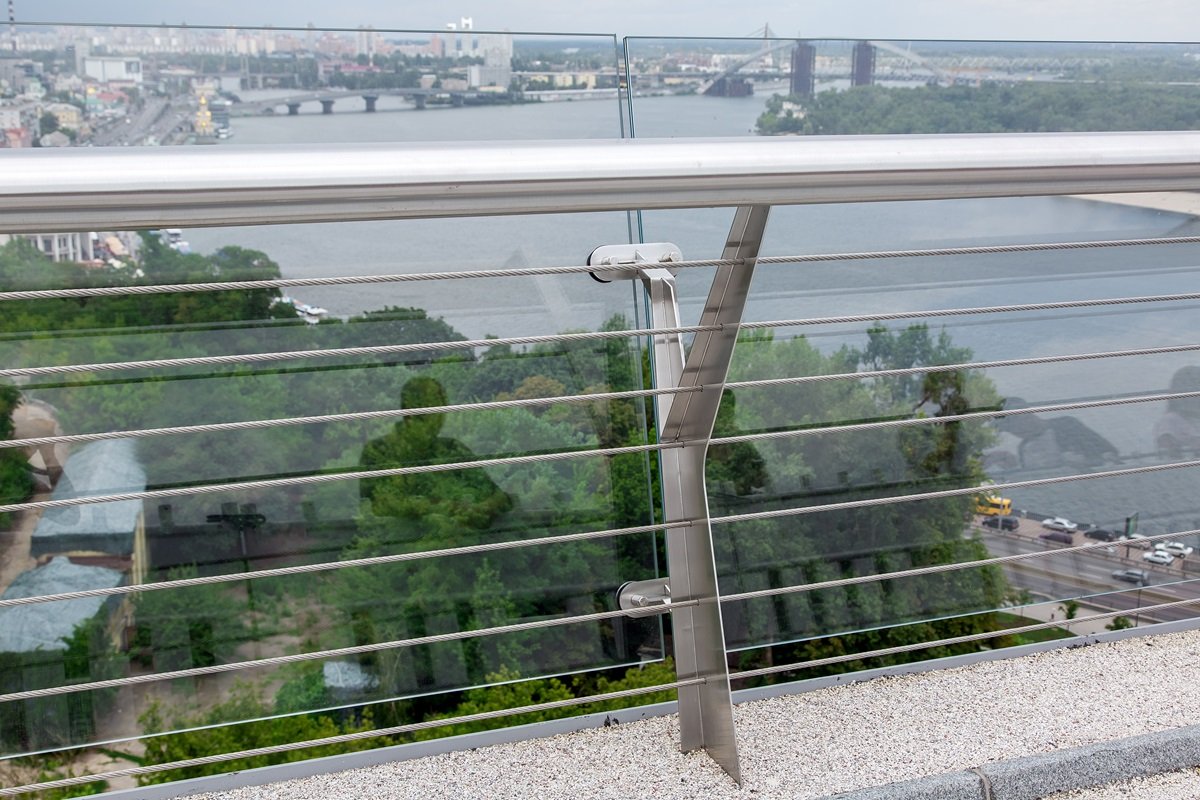
Urban architecture has evolved dramatically over the last decade. As cities grow vertically, rooftops have transformed from unused spaces into luxury terraces, dining areas, gardens, and social zones. With these developments comes an important design requirement: safe, durable, and visually appealing Rooftop Terrace Railing Systems.
High-rise buildings face unique structural challenges. Wind loads, safety regulations, and architectural aesthetics must all be balanced carefully. Because rooftop terraces often sit dozens of floors above ground, the railing system must provide both maximum safety and unobstructed views.
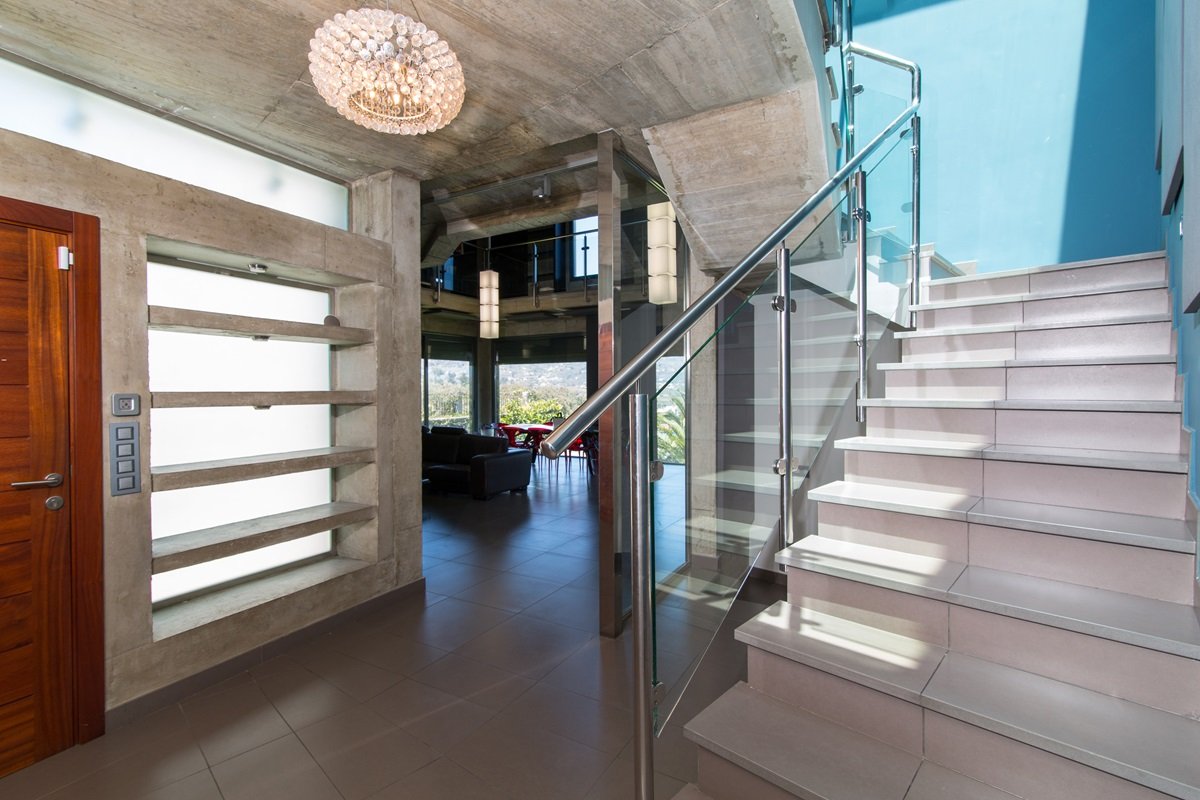
Modern Rooftop Terrace Railing Systems often use glass panels, stainless steel cables, or metal posts to create a secure barrier without blocking the skyline. These systems combine structural engineering with architectural design to produce railings that meet strict building codes while enhancing the overall appearance of the building.
This guide explores the most common railing options for rooftop terraces, including glass railing systems, cable railings, and traditional post railings, and explains how to select the right solution for high-rise projects.
If you want to explore premium railing designs and professional solutions, visit the unikim platform, where architects and contractors can discover modern railing technologies and installation resources.
What Are Rooftop Terrace Railing Systems?
Rooftop Terrace Railing Systems are safety barriers installed along the perimeter of rooftop spaces in residential, commercial, and hospitality buildings. Their primary purpose is to prevent falls while allowing people to enjoy rooftop views safely.
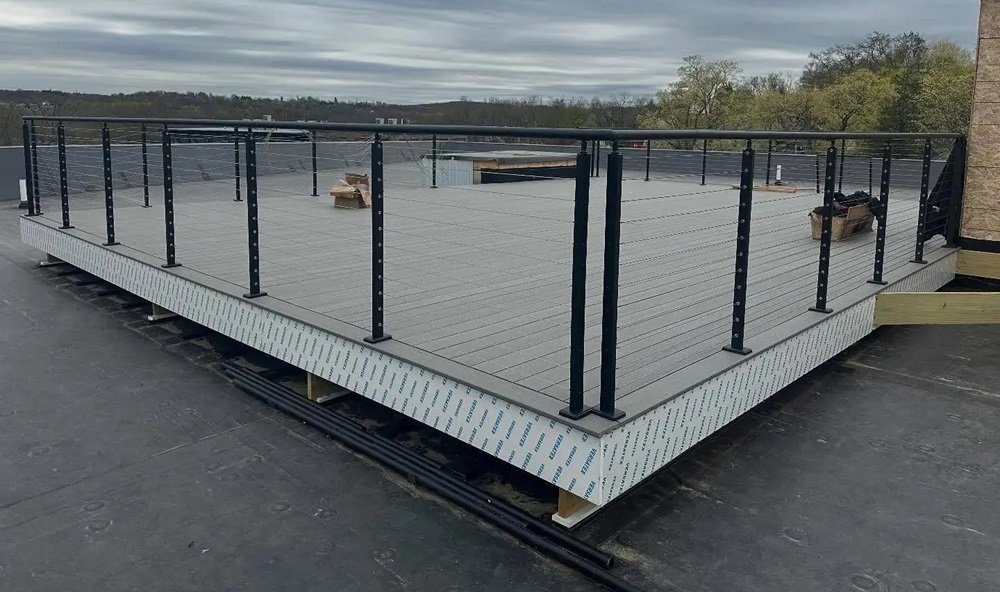
These systems typically consist of several components:
- Structural posts or base supports
- Horizontal or vertical infill elements such as glass panels or cables
- Top rails or handrails for stability
- Anchoring hardware connected to the building structure
Each system must comply with building safety regulations regarding height, spacing, and load resistance.
If you want a detailed overview of how railing systems work, the guide on what is a railing system explains the components and design principles behind modern railing structures.
Why Rooftop Terrace Railing Systems Are Critical for High-Rise Buildings
Unlike ground-level decks, rooftop terraces face significant environmental forces.
High-rise buildings often experience stronger wind pressure, temperature changes, and structural vibrations.
For this reason, Rooftop Terrace Railing Systems must meet strict safety requirements.
Wind Resistance
Wind pressure increases significantly at higher elevations. Engineers must ensure the railing can withstand these forces without movement.
Safety Compliance
Building codes require minimum railing heights, usually around 42 inches (about 106 cm) for rooftop applications.
Long-Term Durability
Rooftop installations remain exposed to rain, sun, and pollution. Materials must resist corrosion and weather damage.
Architectural Aesthetics
Modern buildings emphasize open views. Designers prefer railing systems that protect users without obstructing city skylines.
These factors explain why architects carefully select materials and hardware for Rooftop Terrace Railing Systems.
Materials Used in Rooftop Terrace Railing Systems
Material selection directly influences durability, appearance, and maintenance requirements.
Stainless Steel
Stainless steel is one of the most common materials used in railing systems.
According to the overview of stainless steel, the alloy contains chromium, which forms a protective oxide layer that prevents corrosion.
Because rooftop railings face constant exposure to weather, stainless steel provides excellent long-term durability.
Many modern systems use marine-grade stainless steel hardware for maximum protection.
Aluminum
Aluminum railing profiles are lightweight and corrosion-resistant.
They are often used in modular railing systems.
For example, the glass railing aluminum profile for balustrade offers a clean and modern structural solution for glass panels.
Tempered Glass
Tempered glass provides both safety and aesthetic benefits.
If damaged, it breaks into small fragments rather than sharp shards, reducing injury risk.
Glass panels also allow unobstructed views, which is especially important for rooftop terraces.
Glass Rooftop Terrace Railing Systems
Among modern architectural trends, glass railings have become the most popular option for rooftop spaces.
Rooftop Terrace Railing Systems using glass create a transparent barrier that preserves panoramic city views.
Advantages of Glass Railings
Glass railing systems offer several benefits:
- Clear visibility of surrounding landscapes
- Elegant and modern appearance
- Strong tempered safety glass panels
- Minimal visual obstruction
Architects often use frameless glass railings supported by stainless steel hardware or base channels.
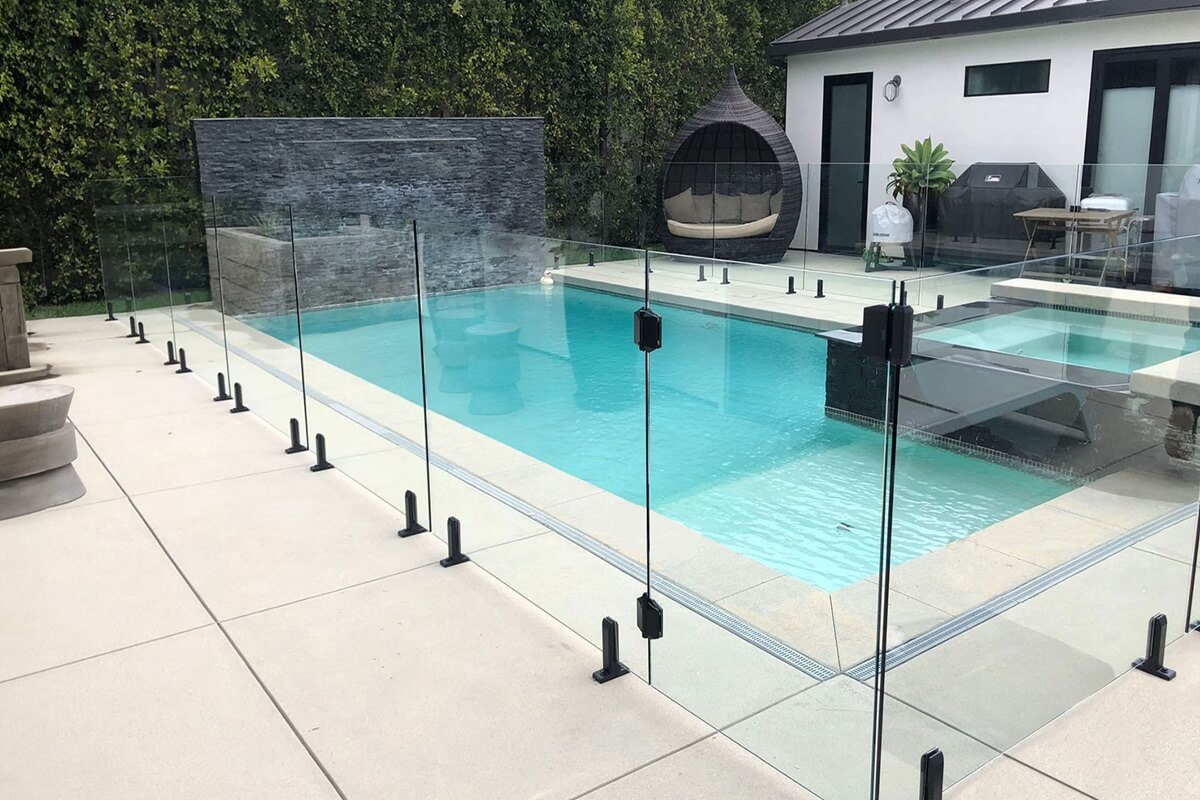
For example, spigot systems allow glass panels to stand upright without visible posts.
The article on glass spigot railing systems installation benefits explains why this design has become increasingly popular.
Custom Glass Designs
High-rise projects frequently require customized railing solutions.
Custom systems may include tinted glass, laminated panels, or integrated lighting.
The guide benefits of custom glass railing designs highlights how custom designs improve both safety and architectural aesthetics.
Cable Rooftop Terrace Railing Systems
Cable railings provide a different design approach.
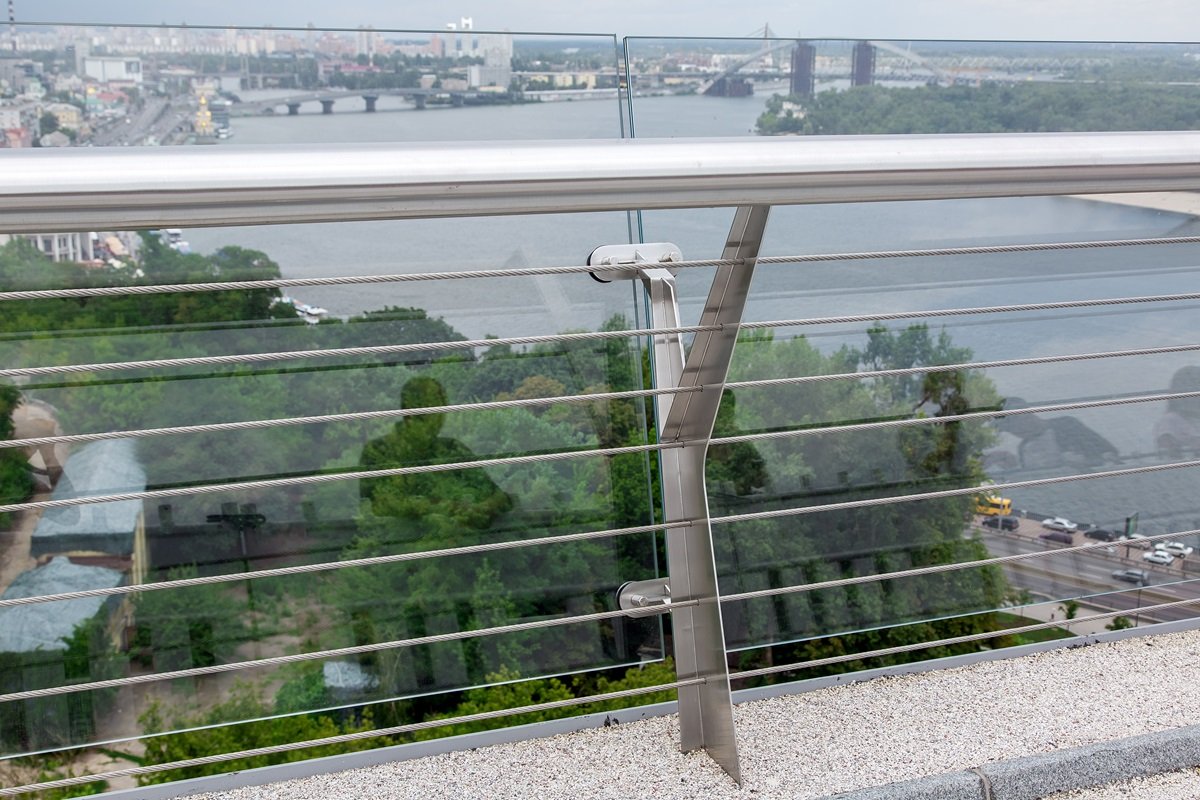
Instead of glass panels, these systems use horizontal stainless steel cables stretched between vertical posts.
Cable railings are popular in contemporary architecture because they maintain openness while offering strong structural support.
Benefits of Cable Railings
Cable systems are lightweight and modern. They also allow airflow and visibility across rooftop spaces.
Architects often combine stainless steel posts with tensioned cables to create a sleek industrial aesthetic.
However, cable spacing must follow strict safety guidelines to prevent climbing or slipping hazards.
Because rooftop environments can expose cables to moisture and wind, stainless steel components are essential for durability.
Post and Panel Rooftop Terrace Railing Systems
Traditional railing systems use vertical posts with glass, metal, or composite infill panels.
These Rooftop Terrace Railing Systems provide strong structural stability.
Posts typically anchor directly into the rooftop structure, supporting horizontal rails and panel inserts.
Although less minimalist than frameless glass designs, post-based systems offer advantages in certain projects.
They provide:
- High structural strength
- Easier installation in some buildings
- Lower material costs in certain designs
Manufacturers often produce stainless steel hardware specifically for these premium architectural applications.
The product stainless steel spigot for premium projects illustrates how modern railing hardware supports advanced railing designs.
Glass Spigot Systems for Rooftop Terraces
Glass spigot systems have become one of the most advanced forms of Rooftop Terrace Railing Systems.
Spigots are compact stainless steel mounts that hold glass panels at the base.
Because they eliminate vertical posts, they create a floating glass appearance.
These systems are popular in luxury hotels, modern apartments, and rooftop restaurants.
High-quality models such as the top-quality stainless steel glass balustrade spigot provide strong support for heavy tempered glass panels.
Spigot systems offer several advantages:
- Minimal visual obstruction
- Quick installation
- Adjustable alignment for glass panels
- Strong structural performance
For rooftop environments, engineers often prefer marine-grade stainless steel to prevent corrosion.
Stainless Steel Grades for Rooftop Railings
Material grade plays a crucial role in the durability of Rooftop Terrace Railing Systems.
Two common stainless steel grades include:
| Material | Characteristics | Best Application |
|---|---|---|
| 304 Stainless Steel | Good corrosion resistance | Indoor railings |
| 316 Stainless Steel | Excellent corrosion resistance | Outdoor and coastal areas |
The article 316 stainless steel for glass spigots: 304 vs 316 explains why engineers often choose 316 stainless steel for rooftop installations.
Safety Standards for Rooftop Terrace Railing Systems
Safety regulations vary by country, but most codes share similar guidelines.
Minimum Height Requirements
Most building codes require rooftop railings to be at least 42 inches high.
Load Resistance
Railings must withstand horizontal pressure applied by people leaning against them.
Panel Spacing
Openings must remain small enough to prevent children from slipping through.
These regulations ensure Rooftop Terrace Railing Systems protect occupants without compromising design.
Even systems used in pool environments follow similar safety principles, as described in the overview of a pool fence.
Choosing the Best Rooftop Terrace Railing System
Selecting the right railing system depends on several factors.
Architectural Style
Glass railings suit modern buildings, while cable systems complement industrial designs.
Structural Requirements
High-rise rooftops require systems capable of handling wind loads and structural movement.
Maintenance Needs
Glass requires periodic cleaning, while stainless steel cable systems may need tension adjustments.
Premium products such as the stainless steel glass pool fencing spigot demonstrate how advanced hardware supports modern architectural projects.
Installation Considerations for High-Rise Projects
Installing Rooftop Terrace Railing Systems in high-rise buildings requires careful planning.
Engineers must consider:
- Structural anchoring to the building slab
- Waterproofing layers beneath mounting hardware
- Wind load calculations
- Glass thickness and panel size
Professional installation ensures the railing system meets building codes and performs safely for many years.
Manufacturers and suppliers such as Unikim railing manufacturers produce hardware used in architectural railing projects worldwide.
You can also explore installation demonstrations and product insights on the Unikim Railings YouTube channel.
Future Trends in Rooftop Terrace Railing Systems
Architectural technology continues to advance.
Future Rooftop Terrace Railing Systems may include features such as:
- Integrated LED lighting
- Smart glass panels that adjust transparency
- Improved corrosion-resistant alloys
- Modular installation systems for faster construction
These innovations will help designers create rooftop spaces that are safer, more attractive, and easier to maintain.
Summary
Modern rooftop spaces offer stunning views and valuable social areas in high-rise buildings. However, safety remains the top priority.
Rooftop Terrace Railing Systems provide the protective barrier that makes these spaces usable and secure. Whether constructed with glass panels, stainless steel cables, or post-based designs, the right system balances durability, aesthetics, and building code compliance.
Glass railings supported by stainless steel spigots remain one of the most popular choices because they combine modern design with strong structural performance.
If you want to explore professional railing solutions or discuss custom designs, visit unikim or reach out through the contact page for expert guidance.
FAQs
What are Rooftop Terrace Railing Systems?
Rooftop Terrace Railing Systems are protective barriers installed around rooftop spaces to prevent falls while allowing people to enjoy elevated outdoor areas safely.
Which material is best for Rooftop Terrace Railing Systems?
Stainless steel and tempered glass are widely used in Rooftop Terrace Railing Systems because they offer strength, corrosion resistance, and modern aesthetics.
Are glass railings safe for rooftop terraces?
Yes. When designed properly, Rooftop Terrace Railing Systems using tempered glass panels meet strict building safety standards.
Do Rooftop Terrace Railing Systems require building approval?
In most regions, installing Rooftop Terrace Railing Systems requires compliance with local building codes and may need professional inspection.
What is the standard height for Rooftop Terrace Railing Systems?
Most building regulations require Rooftop Terrace Railing Systems to be at least 42 inches high for safety in high-rise buildings.