Today’s construction and renovation industry, Stainless Steel Railing Posts have become more than just structural components. They represent durability, safety, and modern design all in one. Whether you are working on a residential balcony, a commercial staircase, or a luxury outdoor deck, choosing the right railing posts directly impacts both performance and visual appeal.
For contractors, builders, and property developers, selecting the right materials is never a simple task. It involves balancing budget, compliance, longevity, and client expectations. When it comes to railing systems, stainless steel continues to stand out as the preferred choice.
This comprehensive guide is designed to help you understand everything you need to know about Stainless Steel Railing Posts. From material grades and installation factors to maintenance tips and sourcing trusted products, this article will equip you with practical knowledge for long-term success.
We will also explore how professional suppliers like unikim offer reliable solutions that meet modern architectural demands.
Stainless Steel Railing Posts in Modern Construction
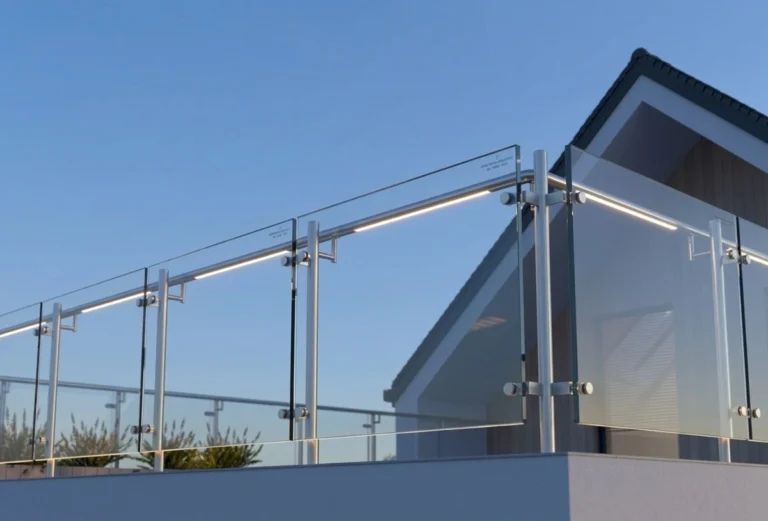
Stainless Steel Railing Posts serve as the vertical support system in railing assemblies. They hold handrails, cable systems, glass panels, or balusters in place. While they may appear simple, their role is critical in ensuring safety and structural integrity.

Unlike traditional materials such as wood or painted steel, stainless steel provides excellent resistance to corrosion, moisture, and temperature changes. According to Wikipedia’s stainless steel overview, stainless steel contains chromium that forms a protective oxide layer, preventing rust and surface damage.
This makes Stainless Steel Railing Posts particularly valuable in outdoor, coastal, and high-humidity environments where other materials often fail.
Additionally, stainless steel supports modern minimalist design trends. Architects and designers favor clean lines and reflective finishes that enhance open spaces. For this reason, railing posts made from stainless steel have become standard in both residential and commercial projects.
Why Contractors Prefer Stainless Steel Railing Posts
For professionals in the construction industry, consistency and reliability matter. Stainless Steel Railing Posts offer several advantages that simplify project execution and reduce long-term risk.
First, durability stands out. These posts can last decades without significant degradation when properly installed. This reduces replacement costs and warranty claims.
Second, stainless steel meets most international building codes. Whether you are working on staircases, balconies, or mezzanines, properly rated posts help ensure compliance with safety regulations.
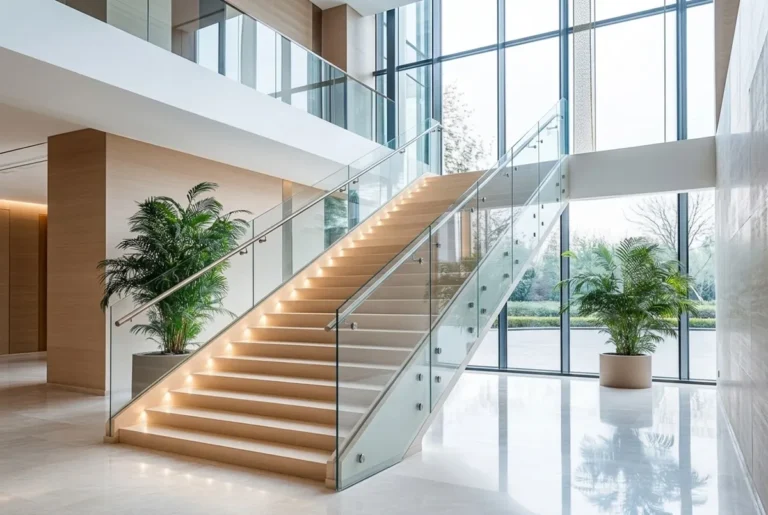
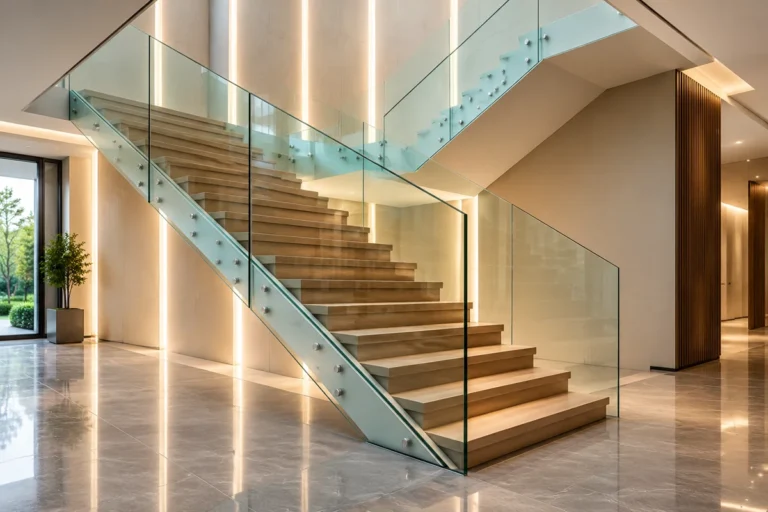
Third, stainless steel integrates easily with other materials. It pairs well with glass, cable, wood, and composite panels. This flexibility allows contractors to customize designs without compromising strength.
Moreover, suppliers such as unikim’s stair railing systems offer pre-engineered components that reduce installation time and labor costs.
Material Grades: Choosing the Right Stainless Steel for Railing Posts
Not all stainless steel is the same. Understanding material grades is essential when selecting Stainless Steel Railing Posts.
Grade 304: The Industry Standard
Grade 304 stainless steel is the most commonly used option in interior and mild outdoor environments. It provides strong corrosion resistance and excellent formability.
Contractors often use 304-grade posts in indoor staircases, office buildings, and residential interiors. It offers good value for money and long-term stability.
Grade 316: Marine-Grade Protection
Grade 316 stainless steel contains molybdenum, which enhances resistance to saltwater and chemical exposure. This makes it ideal for coastal areas, swimming pools, and industrial zones.
If your project is located near the ocean or exposed to harsh weather, 316-grade Stainless Steel Railing Posts are worth the investment.
Comparison Table: 304 vs. 316 Stainless Steel
| Feature | Grade 304 | Grade 316 |
|---|---|---|
| Corrosion Resistance | High | Very High |
| Saltwater Resistance | Moderate | Excellent |
| Cost | Lower | Higher |
| Best Use | Indoor / Mild Outdoor | Coastal / Industrial |
Choosing the right grade prevents premature failure and protects your professional reputation.
Design Considerations for Stainless Steel Railing Posts
Beyond strength, design plays a major role in client satisfaction. Stainless Steel Railing Posts come in various shapes, finishes, and mounting styles.
Square posts are popular in contemporary architecture. They create sharp, defined lines that complement modern homes. Round posts, on the other hand, provide a softer and more traditional look.
Finish options include brushed, satin, mirror-polished, and matte coatings. Each finish impacts both aesthetics and maintenance requirements.
For example, brushed finishes hide fingerprints and scratches better than mirror-polished surfaces. This makes them suitable for high-traffic areas.
You can explore modern design inspiration at unikim’s modern architecture solutions.
Structural Strength and Load Requirements
Safety is non-negotiable in railing installations. Stainless Steel Railing Posts must meet specific load-bearing standards.
In most regions, building codes require railings to withstand horizontal loads of 200 pounds or more. Posts must be spaced correctly and anchored securely to prevent movement.
Professional-grade systems use reinforced base plates and heavy-duty anchors. Using substandard components can result in wobbling or structural failure.
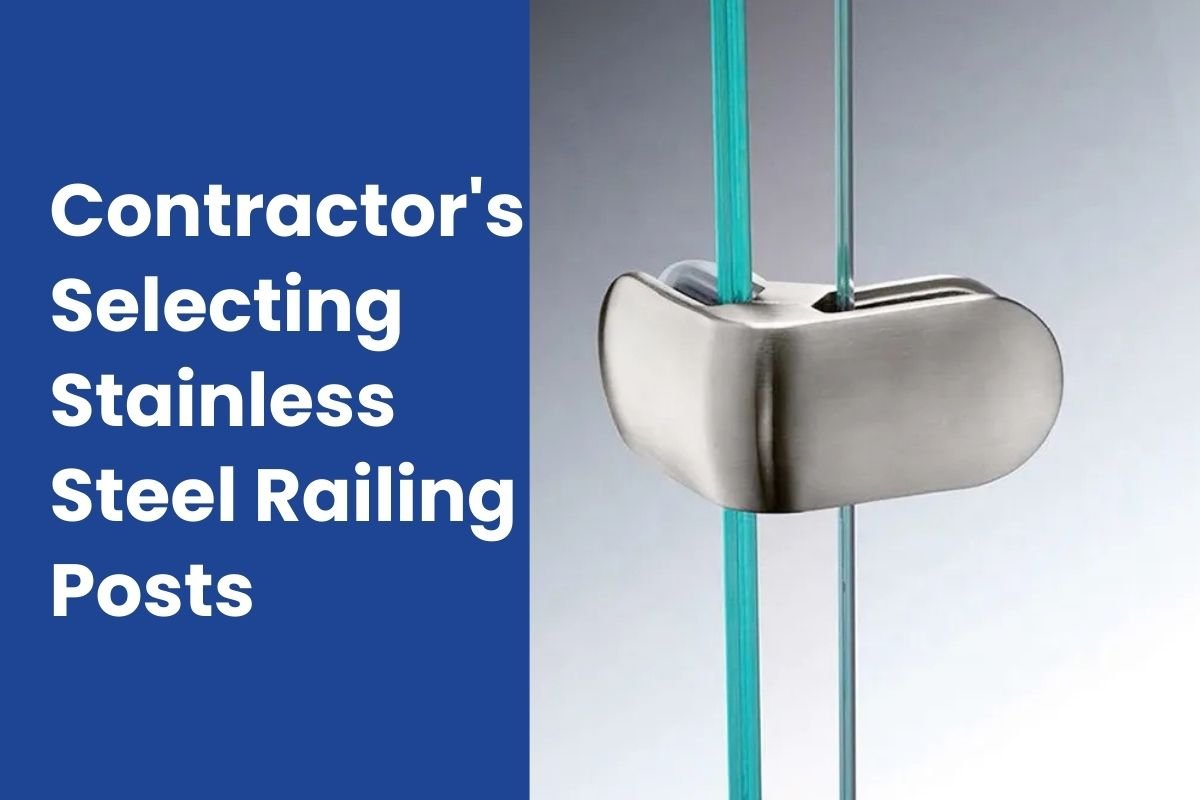
For specialized connectors, products like this mounting connector fitting help ensure proper alignment and strength.
Always verify load ratings with manufacturers and local authorities before installation.
Indoor vs. Outdoor Applications
The environment plays a major role in material selection and finishing.
Indoor Installations
Indoor Stainless Steel Railing Posts focus more on appearance than weather resistance. Grade 304 with brushed or polished finishes is usually sufficient.
These posts are common in shopping malls, office buildings, and private homes.
Outdoor Installations
Outdoor applications demand higher corrosion resistance. Rain, UV exposure, pollution, and temperature changes can degrade materials over time.
For outdoor decks, balconies, and terraces, Grade 316 stainless steel is recommended. Powder-coated or anodized finishes can provide additional protection.
Using the right material prevents costly repairs and client dissatisfaction.
Installation Best Practices for Contractors
Proper installation determines how long Stainless Steel Railing Posts will perform.
First, always prepare the surface. Concrete and wood substrates must be level, clean, and structurally sound.
Second, use appropriate anchors. Expansion bolts, chemical anchors, or embedded plates may be required depending on the surface.
Third, maintain precise spacing. Uneven gaps affect both safety and visual appeal.
Fourth, verify alignment using laser levels or digital tools. Even minor misalignments become noticeable in finished projects.
Many contractors prefer modular systems from unikim because they simplify installation and reduce measurement errors.
Maintenance and Long-Term Care
One major advantage of Stainless Steel Railing Posts is low maintenance. However, “low” does not mean “no” maintenance.
Regular cleaning removes dirt, salt residue, and pollutants that can damage protective layers. Warm water and mild detergent are usually sufficient.
Avoid abrasive pads or harsh chemicals. These can scratch the surface and reduce corrosion resistance.
For cable systems, detailed care instructions are available at unikim’s maintenance guide.
Scheduled inspections also help identify loose fasteners or early wear.
Sourcing Reliable Stainless Steel Railing Posts
Material quality depends heavily on suppliers. Working with reputable manufacturers reduces risks and delays.
International manufacturers such as Unikim China specialize in stainless steel railing systems for global markets. Their technical expertise supports large-scale projects.
For installation guidance and product demonstrations, contractors often consult resources like the Unikim Railings YouTube channel.
For direct product support and custom solutions, you can contact unikim’s team for professional assistance.
Cost Analysis: Are Stainless Steel Railing Posts Worth It?
Initial costs of stainless steel may be higher than wood or aluminum. However, long-term value tells a different story.
Wood requires frequent sealing and replacement. Painted steel rusts and flakes. Aluminum can deform under stress.
Stainless Steel Railing Posts, by contrast, require minimal upkeep and maintain appearance for decades. According to industry studies, stainless steel systems can reduce lifecycle costs by up to 40% over 20 years.
For contractors, this translates into fewer callbacks and stronger client trust.
Sustainability and Environmental Benefits
Sustainability has become a major concern in modern construction. Stainless steel is 100% recyclable and retains its properties after recycling.
Many manufacturers use recycled content in production. This reduces environmental impact and supports green building certifications.
Choosing Stainless Steel Railing Posts aligns your projects with sustainable construction practices and enhances your professional reputation.
Mistakes Contractors Should Avoid
Even experienced professionals can make mistakes when selecting railing posts.
Some contractors choose low-grade materials to reduce costs. This often leads to premature corrosion.
Others ignore environmental factors and use indoor-grade materials outdoors.
Poor anchoring and incorrect spacing also compromise safety.
Avoiding these mistakes protects your brand and ensures client satisfaction.
Summary
Selecting the right Stainless Steel Railing Posts is a strategic decision that affects safety, aesthetics, and long-term performance. From understanding material grades and environmental factors to choosing trusted suppliers and following proper installation practices, every step matters.
For contractors who want reliable, modern, and cost-effective solutions, stainless steel remains the industry benchmark. By partnering with experienced suppliers like unikim and following professional standards, you can deliver projects that stand the test of time. Investing in high-quality Stainless Steel Railing Posts is not just about materials. It is about building trust, reputation, and lasting value. Get For more information visit unikim and contact us.
FAQs
What grade is best for coastal projects using Stainless Steel Railing Posts?
For coastal environments, Grade 316 Stainless Steel Railing Posts are recommended because they resist saltwater corrosion and harsh weather conditions.
How often should Stainless Steel Railing Posts be cleaned?
Stainless Steel Railing Posts should be cleaned every three to six months in normal conditions and more frequently in coastal or industrial areas.
Are Stainless Steel Railing Posts compatible with glass railings?
Yes, Stainless Steel Railing Posts work well with glass panels when paired with certified clamps and connectors for safety.
Can Stainless Steel Railing Posts be customized?
Most manufacturers offer customized Stainless Steel Railing Posts in terms of height, finish, and mounting systems to suit project needs.
Do Stainless Steel Railing Posts meet building codes?
When sourced from certified suppliers, Stainless Steel Railing Posts usually meet international and local safety standards.