Choosing the right glass clamp looks simple until the first site inspection. A wrong choice shows up later as a loose panel, a rust stain, or a rejected shipment. Knowing the types of glass clamps for railings helps you avoid all three.
Buyers face many options. Shapes, materials, finishes, and glass thickness ranges all affect the result. This guide explains each clamp type in plain language. It also covers stainless steel grades, manufacturing quality, and buying tips.
At UNIKIM, we manufacture stainless steel railing hardware for global projects. We wrote this guide for importers, contractors, architects, and distributors who want fewer surprises on site.
What Are Glass Clamps for Railings?
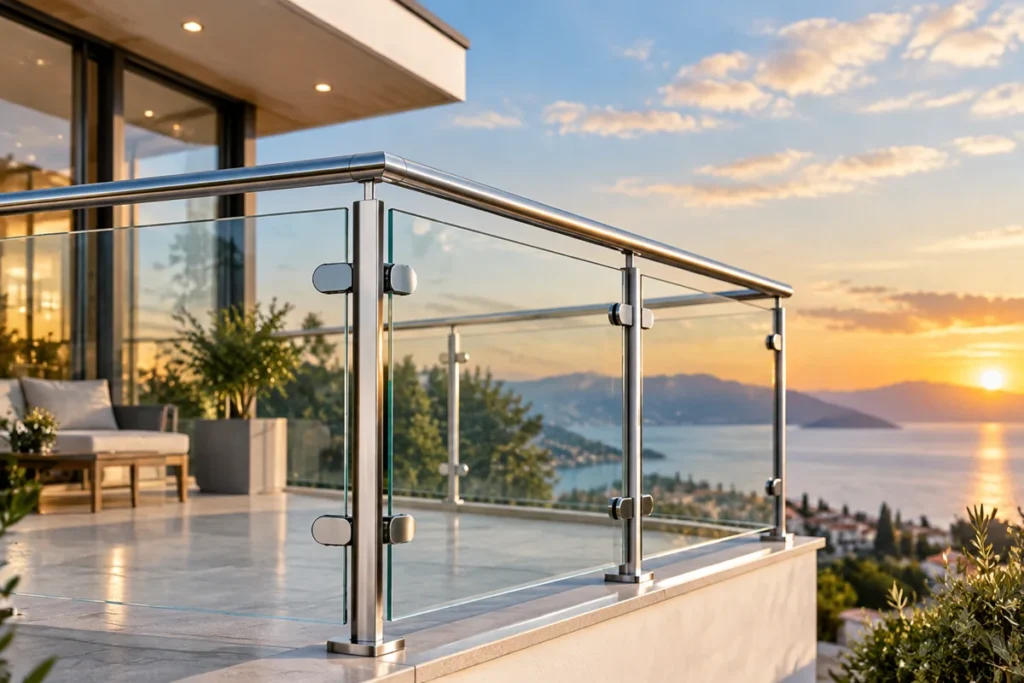
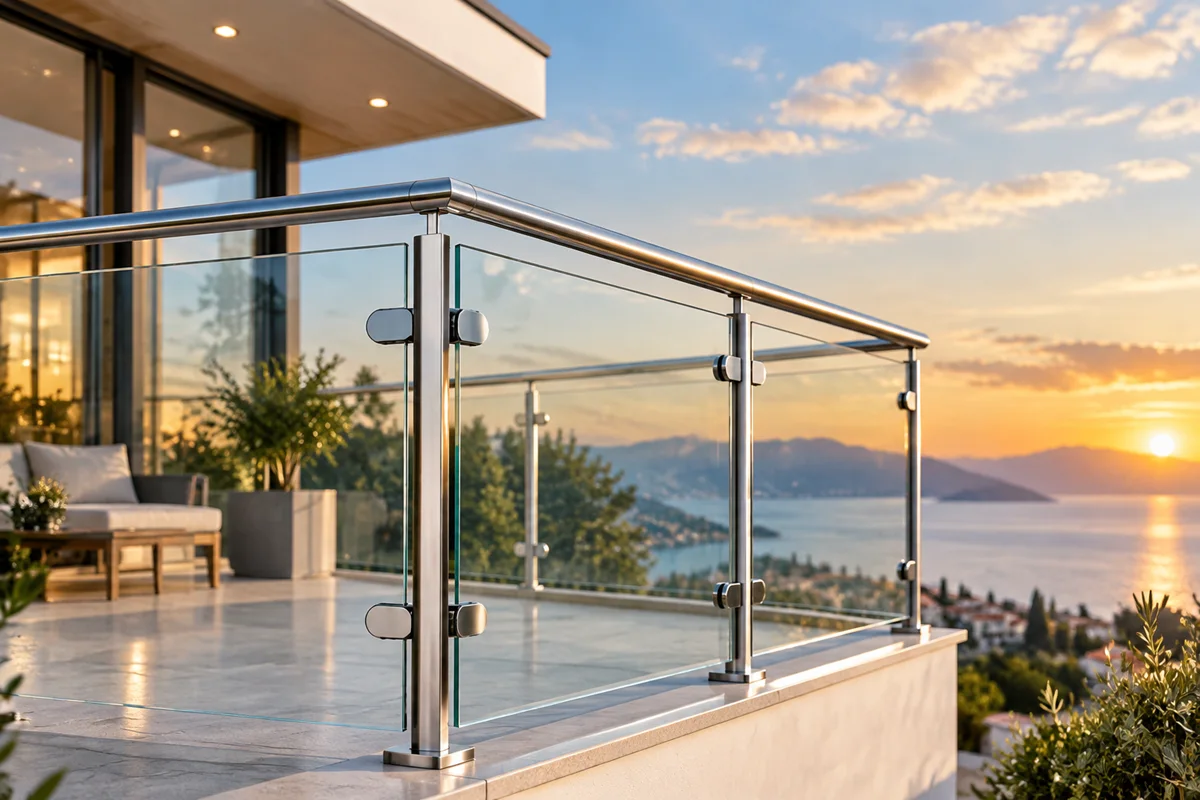
A glass clamp holds a glass panel in place without a full frame. It grips the glass edge or face with a soft gasket. The clamp then attaches to a post, wall, or base.
This design creates the clean, open look of modern glass balustrades. It also keeps the glass load-bearing, so the hardware stays small and discreet.
Most glass railing clamps share the same basic parts:
- Clamp body: usually stainless steel, sometimes zinc alloy or aluminum.
- Gaskets: rubber or EPDM pads that protect the glass.
- Fasteners: bolts or screws that set the clamping pressure.
- Mounting plate or back: shaped for flat walls, square posts, or round tubes.
These parts form a system. If one part fails, the whole panel is at risk. That is why choosing the right type matters.
Why Choose a Professional Glass Clamp Manufacturer?
Glass clamps look similar in photos, but quality varies widely. Two clamps of the same shape can perform very differently.
A professional manufacturer controls the details that buyers cannot see. These include wall thickness, casting density, gasket quality, and surface treatment. Consistency matters just as much. Your hundredth clamp should match your first.
Working with an experienced glass railing systems supplier also brings practical benefits:
- Stable supply for repeat orders
- Clear material documentation
- Technical support during specification
- Packaging suited to export shipping
For distributors, this means fewer returns. For contractors, it means faster installation. Our glass railing manufacturer guide explains how to evaluate suppliers step by step.
Types of Glass Clamps for Railings and Their Applications
Different railings need different clamps. Below are the main different types of glass railing clamps and where each one works best.
Square Glass Clamps
Square clamps have a flat, angular body. They match the sharp lines of modern architecture. Many designers choose them for contemporary balconies and commercial interiors.
They mount well on flat surfaces such as square posts and walls. Installers also find them easy to align because the edges give a clear visual reference.
Best for: modern balconies, staircases, and office partitions.
Round Glass Clamps
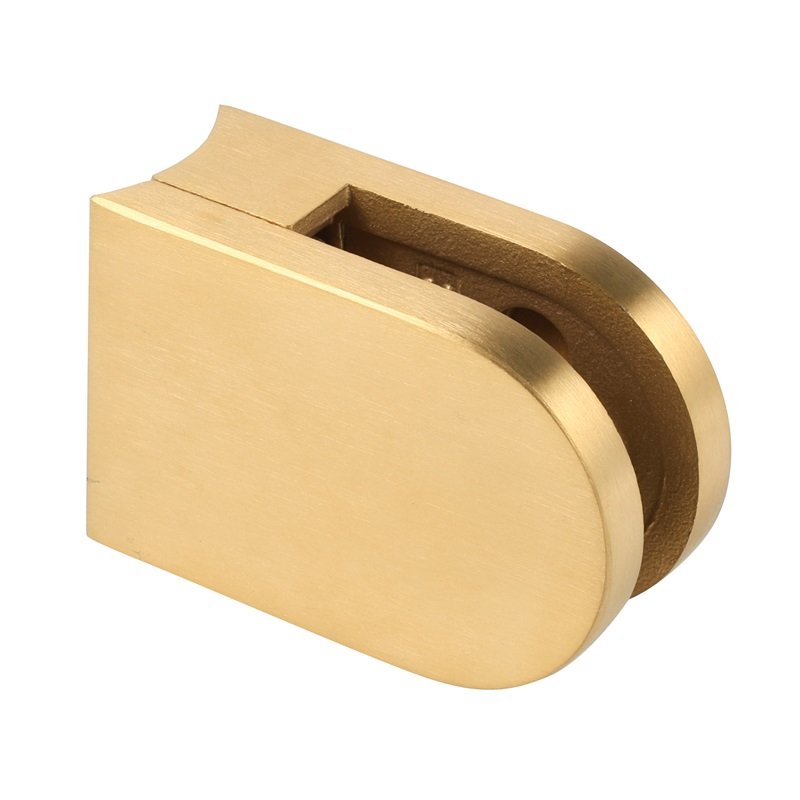
Round clamps have a softer, rounded profile. They pair naturally with tubular posts and round handrails. Many hospitality and residential projects prefer this gentler look.
The round back often sits flush against a curved post. This gives a tidy finish and a secure contact surface.
Best for: tube post systems, villas, and hotel terraces.
Adjustable Glass Clamps
Adjustable clamps solve a common site problem: walls and posts are rarely perfectly straight. These clamps allow small angle or position changes during installation.
That flexibility saves time. Installers can fine-tune the glass without re-drilling. It also helps on staircases, where each panel sits at a slightly different height.
You can see this design in our adjustable glass railing standoff, which suits projects with uneven substrates.
Best for: stair railings, renovations, and uneven walls.
Glass-to-Glass Clamps
Glass-to-glass clamps join two panels directly. Common angles include 90°, 135°, and 180°. They suit corners, returns, and glass partitions.
These clamps keep sightlines clear because no post sits between panels. However, they demand precise glass cutting. Always confirm panel dimensions before ordering.
Best for: corner balconies, shower screens, and pool enclosures.
Glass-to-Wall Clamps
Wall clamps anchor a glass panel to a masonry or concrete wall. They work well for side-mounted balustrades and interior stair walls.
Check the wall material first. Weak or hollow substrates need suitable anchors. Poor anchoring causes more failures than poor clamps do.
Best for: stair walls, mezzanines, and interior balustrades.
Glass Standoffs and Point-Fixed Fittings
A standoff holds glass away from the fixing surface using a drilled hole. It creates a floating-panel look. Architects often choose it for facades and high-end balconies.
Standoffs need drilled, tempered glass, so planning must start early. Browse the glass standoff category for options. For a hardware set that combines a clamp with a standoff, see the stainless steel standoff glass clamp.
Best for: frameless balconies, facades, and premium residential projects.
To see the full range, visit our glass clamps and connectors category.
Materials and Technical Details
Shape is only half the story. Material choice decides how long a clamp lasts. This section covers the details buyers should verify.
Stainless Steel Glass Clamps for Railings: 304 vs 316
Most premium stainless steel glass clamps use grade 304 or 316. Both resist corrosion, but they do not perform equally in every climate.
- 304 stainless steel: contains about 18% chromium and 8% nickel. It performs well indoors and in mild outdoor conditions.
- 316 stainless steel: adds molybdenum, typically around 2–3%. This improves resistance to salt and chlorides.
If your project sits near the sea, choose 316. The same applies to swimming pools, where chlorine attacks weaker grades. For dry inland balconies, 304 often delivers good value.
When comparing 304 vs 316 stainless steel glass clamps, remember that price is not the only factor. Replacing corroded hardware costs far more than the original saving.
Finishes
The finish affects both appearance and protection. Common options include:
- Satin (brushed): hides fingerprints and light scratches.
- Mirror polish: bright and reflective, but shows marks more easily.
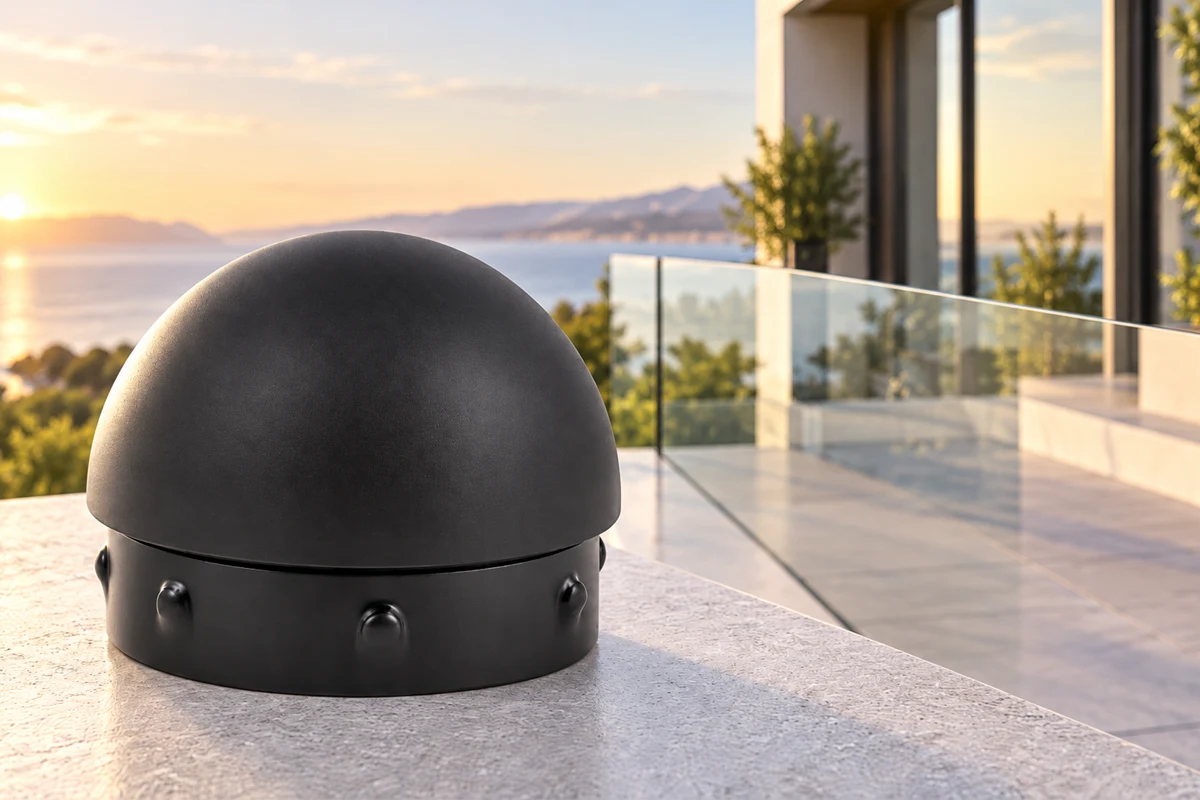
- Black coating: delivers a bold modern look. Our black glass clamp with stainless steel standoff is one example.
Ask your supplier how the finish is applied. A thin or uneven coating may peel under sun and salt.
Glass Thickness and Gaskets
Most clamps accept a defined thickness range, commonly 8 mm to 12 mm for standard designs. Laminated glass is thicker and often needs a wider clamp or special gaskets.
Gaskets deserve attention too. Quality EPDM stays flexible across temperature swings. Cheap rubber hardens and cracks, which loosens the grip on the glass.
Always confirm local building codes and glass requirements with a qualified engineer. Codes vary by country and by application.
How Quality Glass Clamps Are Manufactured
Knowing how clamps are made helps you judge quality. A typical process includes these steps:
- Material selection: raw stainless steel is checked against grade requirements.
- Forming: manufacturers use precision casting or CNC machining, depending on the design.
- Machining: holes, threads, and contact surfaces are finished to tight tolerances.
- Polishing and finishing: surfaces are polished, brushed, or coated.
- Passivation: this treatment restores the protective layer on stainless steel.
- Inspection and testing: teams check dimensions, finish, and corrosion resistance.
- Packing: each set is packed to prevent scratches during shipping.
Corners are often cut at steps 3 and 5. Ask any supplier how they handle both. A confident manufacturer will answer clearly and show documentation.
Glass Clamp Comparison: Which Type Fits Your Project?
The table below compares the main types at a glance.
| Clamp Type | Best Application | Key Advantage | Consideration |
|---|---|---|---|
| Square | Modern balconies, stairs | Clean, sharp look | Needs flat mounting surface |
| Round | Tube post systems | Soft profile, easy pairing | Match post diameter |
| Adjustable | Stairs, renovations | Tolerates uneven surfaces | Slightly more complex design |
| Glass-to-glass | Corners, partitions | Minimal visual clutter | Needs precise glass sizing |
| Glass-to-wall | Interior walls, stairs | Simple, secure fixing | Depends on wall strength |
| Standoff / point-fixed | Facades, premium balconies | Floating-glass appearance | Requires drilled glass |
Use this table as a starting point. The final choice also depends on glass type, load requirements, and budget.
Buying Guide: How to Choose the Best Glass Clamps for Glass Railings
Buyers often ask for the best glass clamps for glass railings. The honest answer is that the best clamp depends on the project. Follow these steps to narrow your options.
- Define the application. Balcony, staircase, pool fence, and partition each have different demands.
- Check the environment. Coastal or pool projects call for 316 stainless steel.
- Confirm glass specifications. Note the thickness and whether it is tempered or laminated.
- Match the mounting surface. Square post, round tube, wall, or floor each need a suitable clamp back.
- Request samples. Test fit, finish, and gasket quality before placing a bulk order.
- Review documentation. Ask for material certificates and inspection reports.
- Plan for installation. Poor installation can ruin good hardware. Read our guide on railing hardware installation mistakes before you begin.
For more detail on specific project types, see our glass balcony railing hardware buyer’s guide and our glass pool fence spigots guide. If you want a deeper walkthrough, read how to choose glass railing clamps.
Why Choose UNIKIM for Glass Railing Hardware?
UNIKIM supplies stainless steel railing hardware to buyers around the world. Our focus is simple: reliable products, clear communication, and consistent supply.
Here is what buyers value most:
- Wide range: clamps, standoffs, and connectors for different railing designs.
- Material options: 304 and 316 stainless steel for varied environments.
- Finish choices: satin, mirror, and black styles.
- B2B support: help with specification, samples, and repeat orders.
- Complete systems: pair clamps with our frameless glass railing systems for a matched solution.
You can also watch product demonstrations on our YouTube channel. To see our wider catalog and company profile, visit our Made-in-China storefront.
Have a specific project in mind? Contact our team with your drawings and requirements.
Frequently Asked Questions
What are the main types of glass clamps for railings?
The main types of glass clamps for railings are square, round, adjustable, glass-to-glass, glass-to-wall, and standoff styles. Square and round clamps suit posts. Glass-to-glass clamps suit corners. Standoffs create a floating look on drilled glass.
Which is better for glass railing clamps: 304 or 316 stainless steel?
It depends on the location. Grade 304 works well for indoor and mild outdoor use. Grade 316 is better for coastal areas and pools. When you compare glass clamps for railings, always match the grade to the environment.
What glass thickness do glass railing clamps support?
Most standard clamps support roughly 8 mm to 12 mm glass. Laminated panels may need wider clamps or special gaskets. Always check the supplier’s specifications before choosing among the types of glass clamps for railings.
Can I get custom or black glass clamps for my project?
Many manufacturers, including UNIKIM, offer finish options such as satin, mirror, and black. Custom requirements depend on order volume and design. Contact us to discuss your needs. Tell us which glass balustrade clamps you plan to use, and we will suggest a suitable option.
Summary
Glass clamps may look small, but they carry a serious job. They hold the panel, protect the glass, and shape the look of the railing.
The main types of glass clamps for railings are square, round, adjustable, glass-to-glass, glass-to-wall, and standoff designs. Each suits a specific application. Material grade matters just as much. Choose 316 stainless steel for coastal and pool projects, and 304 for milder conditions.
Before ordering, define your application, confirm glass specifications, and request samples. Then work with a manufacturer who can show you real quality controls.
UNIKIM brings years of railing hardware experience and a buyer-focused approach. Whether you are sourcing for a single project or a distribution network, our team can help you select the right glass clamp. Reach out today to start the conversation.