Glass clamp systems are an essential component in modern architectural design, offering both functionality and aesthetic appeal. These systems are widely used in glass railings, balustrades, and partitions, providing a secure and stylish solution for various applications. Whether you’re designing a pool fence, balcony railing, or staircase, understanding glass clamp systems is key to achieving a seamless and durable installation.
What Are Glass Clamp Systems?
Glass clamp systems are hardware components designed to hold glass panels securely in place. They are commonly used in frameless glass railings, where the glass acts as the primary barrier. These systems consist of clamps, spigots, standoffs, and brackets that work together to ensure stability and safety. Glass clamp systems are available in various materials, including stainless steel and aluminum, each offering unique advantages.
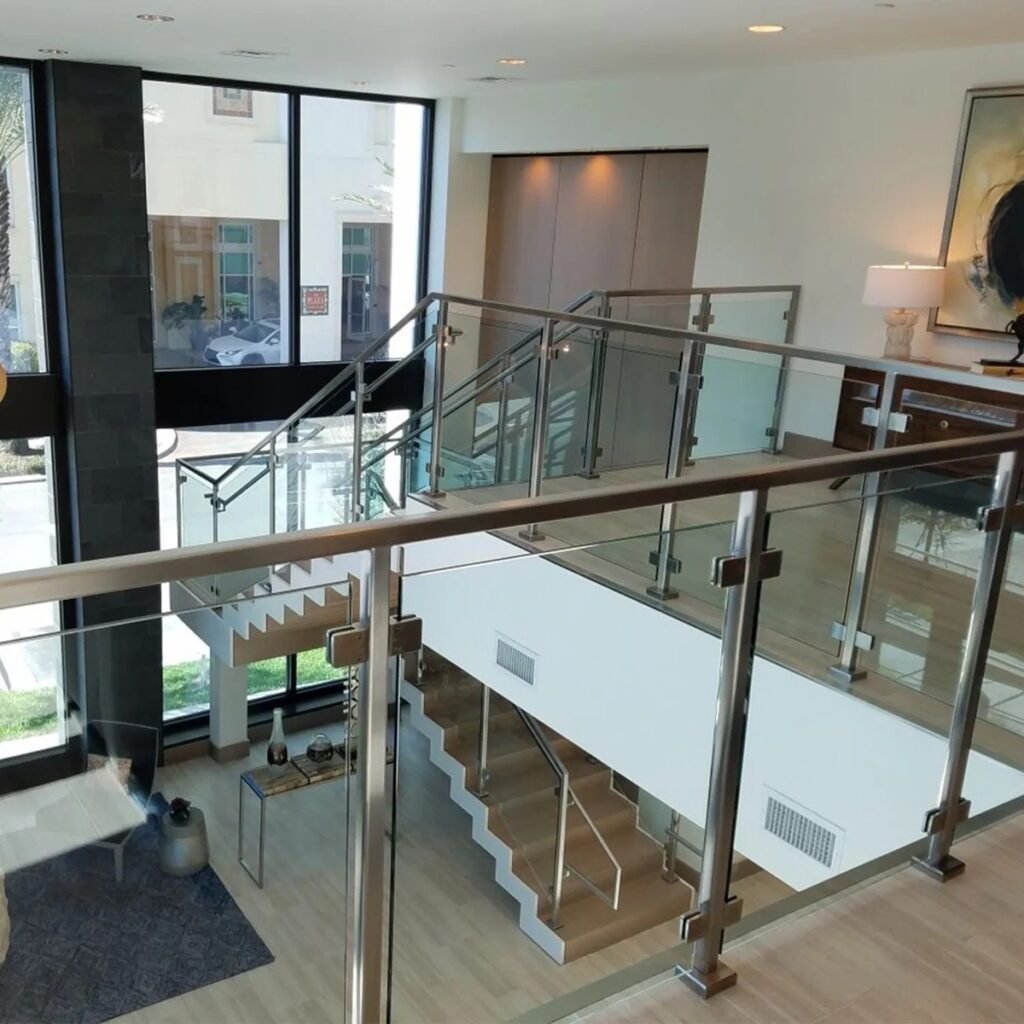
The primary purpose of glass clamp systems is to provide a clean, minimalist look while maintaining structural integrity. They are widely used in residential, commercial, and industrial settings, making them a versatile choice for architects and designers. For more information on glass railing systems, visit our Glass Railing Systems Supplier page.
The Core Mechanics of Glass Clamp Systems
A glass clamp system functions as a highly specialized bracket designed to grip and secure thick, structural glass panels through friction and compression. They are the clamping systems that provide the necessary support for frameless balustrades, deck railings, and pool fences, ensuring the barrier meets rigorous safety codes.
The fundamental components that make up any effective glass clip or clamp mechanism include:
- The Body: This is the main, often high-grade metal, fixture that bolts directly to the substrate (floor, deck, wall, or fascia).
- Friction Plates/Gaskets: These are soft yet durable inserts, typically made of EPDM rubber or a synthetic polymer, placed between the metal body and the glass surface. Their purpose is threefold: to protect the glass from direct contact with the hard metal, to absorb minor vibrations, and to enhance the friction necessary for the glass clamp to hold the panel securely.
- Compression Mechanism: This is the screw or bolt assembly that, when tightened, applies an even, controlled pressure onto the glass panel via the gaskets, locking it into position.
For those sourcing these essential components, finding a reputable Glass Clamp Systems supplier is paramount to project success and safety. We offer a full range of products at our Glass Railing Systems Supplier page.
Types of Glass Clamp Systems
Glass clamp systems come in different configurations to suit various applications. Here are the most common types:
- Spigot Clamps: These are vertical posts that anchor glass panels to the ground or surface. They are ideal for frameless glass railings and pool fences. Explore our Spigot Clamps Collection for more options.
- Standoff Clamps: These clamps are used to attach glass panels to walls or ceilings, creating a floating effect. They are perfect for glass partitions and decorative installations. Check out our Standoff Clamps Collection for inspiration.
- Side-Mount Clamps: These clamps are attached to the side of a structure, such as a wall or post, to hold glass panels horizontally. They are commonly used in stair railings and balconies.
- Edge Clamps: These clamps secure glass panels along their edges, providing a sleek and unobtrusive look. They are often used in frameless glass balustrades.
Each type of clamp system offers unique benefits, so choosing the right one depends on your specific project requirements. For a detailed guide on selecting the best system, visit The Ultimate Guide to Stainless Steel Glass Clamp Systems.
How Do Glass Clamp Systems Work?
A glass clamp system holds the glass panel by applying controlled pressure through a clamping mechanism. The clamp body grips the glass securely, while rubber gaskets prevent slipping and protect the glass surface.
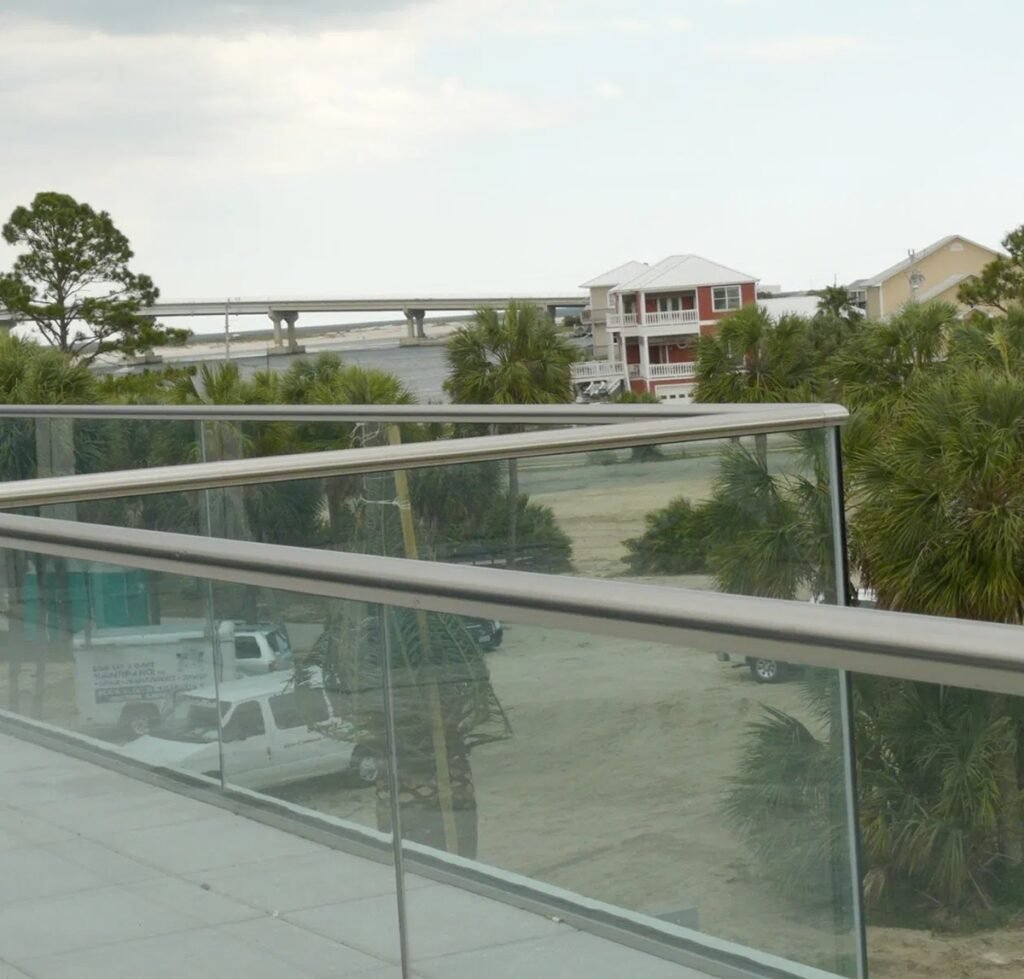
A typical system includes:
Metal Body:
The main frame of the clamp, usually created through solid stainless steel casting for maximum strength.
Internal Gaskets:
Rubber pads that protect the glass and improve grip.
Clamping Screws:
Used to tighten the clamp around the glass.
Mounting Hardware:
Bolts or anchors that secure the clamp to concrete, steel posts, or wooden structures.
This compression-based design allows the glass to stay firmly locked in place, even in windy conditions, crowded areas, or high-traffic environments.
A great example is URailing’s Glass Railing Clamp Spigot, built for frameless pool fencing:
👉 https://urailing.com/product/glass-railing-clamp-spigot-stainless-steel-frameless-glass-baluster-for-pool-fence/
Glass Clamp vs Glass Clip — What’s the Difference?
Although the terms are often used the same way, they don’t always mean the same thing.
Glass Clamp
A glass clamp is a heavy-duty fixture designed to grip the glass through mechanical compression. It usually has a thicker body, stronger screws, and greater load-bearing strength.
Clamps are used for:
- Balcony railings
- Staircases
- Pool fencing
- Commercial guardrails
- Deck railings
They provide the structural stability needed for safety-rated glass installations.
Glass Clip
A glass clip can be lighter or smaller. It may be used for:
- Partition walls
- Light-duty screens
- Indoor decorative glass
- Office cubicle glass panels
Clips aren’t always designed for load-bearing situations the way clamps are.
If you’re installing a railing system, glass clamps are almost always the correct choice.
For high-strength railing components, explore URailing’s Glass Railing Systems category here: https://urailing.com/product-category/glass-railing-systems/
Material Choices for Glass Clamp Systems
Choosing the right material plays a huge role in how long your glass railing will last. Glass clamp systems must handle different pressures — wind load, temperature changes, crowd movement, and even saltwater exposure in coastal areas.
This is why stainless steel has become the gold-standard material for railing installations.
But let’s break down the material differences in detail.
Stainless Steel Glass Clamps
Stainless steel remains the top choice for environments that demand strength and long-term stability. It’s especially preferred for:
- Pool fences
- Outdoor decks
- Balconies
- Commercial buildings
- Staircases
- Rooftops
- High-moisture or coastal environments
Stainless steel clamps offer:
Reliable structural strength:
The density and toughness of stainless steel allow clamps to firmly hold thick tempered glass without bending or deforming.
High corrosion resistance:
Perfect for outdoor use, especially in salty, humid, or rainy locations.
A refined architectural finish:
The brushed or polished texture blends perfectly with premium railing designs.
URailing uses certified stainless steel in its railing hardware, like this high-strength glass railing clamp spigot.
How Thickness of the Glass Affects the Clamp System
Glass clamps must match the glass thickness used in the railing system. Tempered glass panels in modern railings are typically:
- 8 mm
- 10 mm
- 12 mm
- 15 mm
- 19 mm
For heavier panels, clamps require:
- Larger clamp bodies
- Stronger industrial screws
- Precision-designed gaskets
- Higher load-bearing capability
URailing designs clamps specifically fitted for multiple glass thicknesses, ensuring stability and proper alignment.
To explore the full range of compatible systems, visit: https://urailing.com/product-category/glass-railing-systems/
Aluminum Clamps
Aluminum clamps are lightweight and more budget-friendly. They’re suitable for:
- Indoor spaces
- Light-duty glass panels
- Decorative partitions
While aluminum provides good corrosion resistance, it doesn’t match the long-term performance of stainless steel in demanding conditions.
Aluminum clamps have:
Lower structural strength:
They may deform under high load, especially on outdoor railings.
More limited lifespan in harsh environments:
Saltwater exposure and UV sunlight can cause accelerated wear.
For decorative indoor glass clips or screens, aluminum works well. But for structural railings, stainless steel is the recommended option.
Where Glass Clamp Systems Are Used
The versatility of glass clamp systems gives architects and designers plenty of freedom to create open, modern, and visually appealing spaces.
Here are the most common places you’ll find them.
Pool Fencing
Spigot systems are especially popular for pool fencing because they allow the glass to stand firmly without needing posts.
Check URailing’s stainless steel pool fence spigot here:
Balcony and Terrace Railings
Strong stainless steel clamps give glass panels the structural support needed for elevated areas like balconies, mezzanines, and decks.
URailing offers detailed safety advice for balcony railings here: https://urailing.com/are-glass-railing-systems-safe-unikim-safety-guide/
Commercial Buildings
Glass clamp systems suit high-traffic commercial environments, providing safety and style for:
- Shopping malls
- Airports
- Hotels
- Office buildings
- Resorts
These locations usually prefer standoff or post-mounted systems due to their balanced look and heavy load capacity.
Residential Staircases
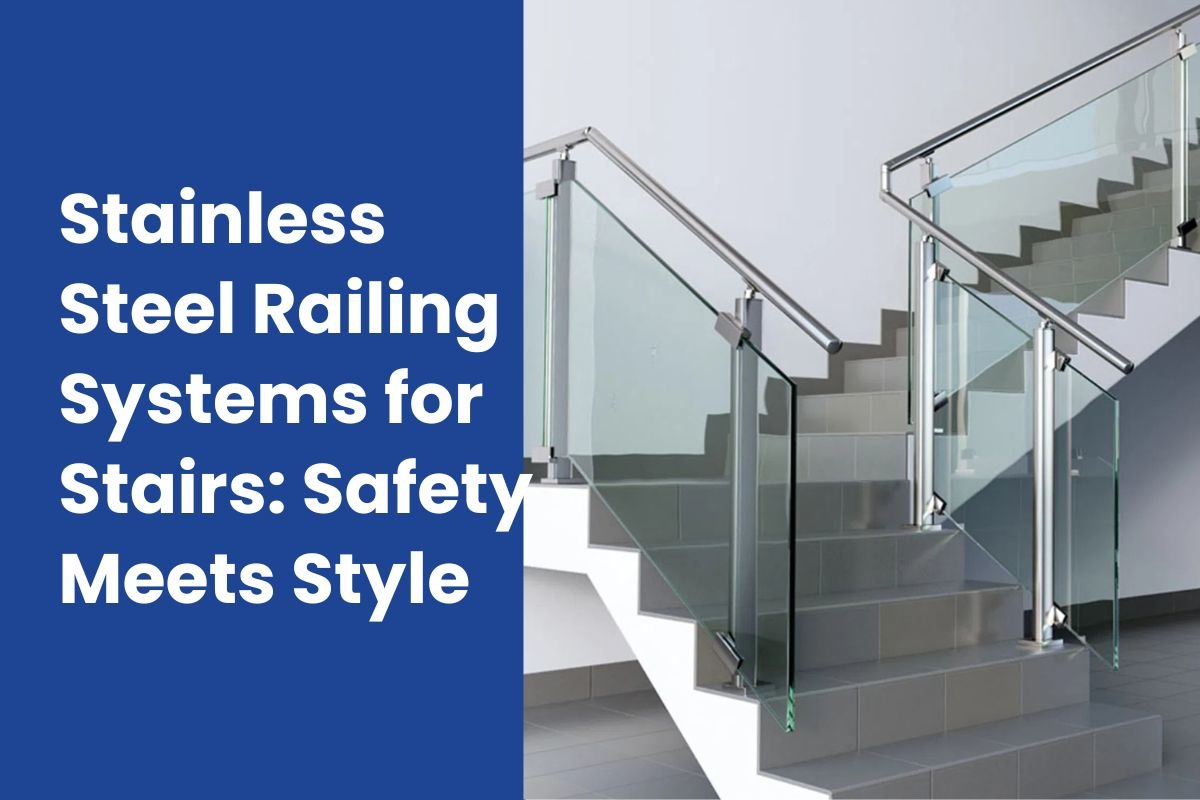
Indoor staircases often use standoffs or clamps to secure glass panels while keeping the space open and bright. The design feels modern and clean, making homes appear larger.
Retail and Showroom Displays
Glass clips are often used in showrooms or store displays where panels aren’t exposed to heavy loads. They offer a clean, minimal look with easy installation.
How to Choose the Right Glass Clamp Systems Supplier
Finding a dependable supplier makes installation easier and ensures long-term performance. Here are the qualities that define a top-level supplier:
Certified Materials
A reputable supplier uses certified stainless steel and industrial-grade components. This reduces the risk of metal fatigue or corrosion.
URailing uses high-grade stainless steel across its full railing system collection: https://urailing.com/
Multiple Clamp Options
A professional supplier provides:
- Spigots
- Standoffs
- Post clamps
- Glass clips
- Adjustable clamps
- Specialty pool-fence clamps
URailing offers all of these categories.
Installation Support
A good supplier provides installation guides, diagrams, and technical documents. URailing offers detailed guides such as:
Reliable Customer Support
You should be able to reach out for product questions, custom sizing, or bulk order details.
URailing’s contact page: https://urailing.com/contact/
Industry Experience
Established suppliers with years of experience produce more accurate, durable hardware.
URailing has built a strong reputation in the global railing systems industry.
How Glass Clamp Systems Improve Design Flexibility
Designers and architects love glass clamp systems because they open up countless creative possibilities.
Here’s how clamp-based railing systems enhance design:
Uninterrupted Views
Glass clamps eliminate bulky frames, creating wide-open views for:
- Balconies
- Pool areas
- Rooftops
- Waterfront properties
This brings more natural light into spaces and enhances the feeling of openness.
Modern Minimalist Look
Stainless steel clamps pair well with contemporary architecture. Their clean finish blends seamlessly with glass and flat surfaces.
Custom Height Options
Clamp systems allow installers to customize panel height depending on:
- Building codes
- Aesthetic preference
- Wind exposure
- Privacy needs
This flexibility is harder to achieve with pre-framed railings.
Compatible With Multiple Surfaces
Clamp systems can be installed on:
- Concrete
- Wood
- Steel
- Tile
- Composite decking
This makes them ideal for both new construction and renovation projects.
Easy Maintenance
Glass clamps require minimal upkeep. Regular cleaning and occasional tightening keep them working smoothly for years. Stainless steel options offer long-lasting shine with simple care.
Final Summary
Glass Clamp Systems play a huge role in modern construction. They hold glass panels securely, deliver a clean architectural look, and fit almost any environment—from pools and balconies to commercial staircases and interior partitions. With their blend of strength, elegance, and flexibility, they enable architects and homeowners to create open, bright spaces without sacrificing stability.
Choosing the right material, clamp style, and supplier ensures your railing system lasts for years. With URailing’s large catalog of stainless steel spigots, standoffs, clamps, and full railing systems, you get dependable components backed by industry expertise, precision engineering, and consistent quality.
FAQs
1. What are Glass Clamp Systems used for?
Glass Clamp Systems secure glass panels for railings, pool fences, balconies, staircases, and commercial partitions.
2. What’s the difference between a clamp and a glass clip?
A clamp is heavier, stronger, and used for structural railings, while a clip is lighter and used for decorative or non-load applications.
3. What’s the best material for glass clamps?
Stainless steel offers the strongest durability, especially outdoors or in humid environments.
4. Can clamp systems be used for frameless railings?
Yes, spigots and standoffs are perfect for frameless designs.
5. Do I need special tools for installation?
Standard tools usually work, but some installations may benefit from torque tools for consistent tightening.
6. Are glass railings safe?
Yes. When using certified clamps and tempered glass, glass railings meet safety standards. Read more here:
👉 https://urailing.com/are-glass-railing-systems-safe-unikim-safety-guide/
7. How do I choose the right clamp system?
It depends on your project—pool fence, balcony, deck, staircase, or commercial installation. URailing can help guide you: