Swimming pools add beauty, relaxation, and value to a property. Modern homeowners also want pool areas to look clean and luxurious. That is why frameless glass fencing has become one of the biggest outdoor design trends in recent years.
At the center of this modern fencing system is the Glass Spigot. It holds glass panels securely while keeping the view open and elegant. A quality spigot improves both safety and appearance.
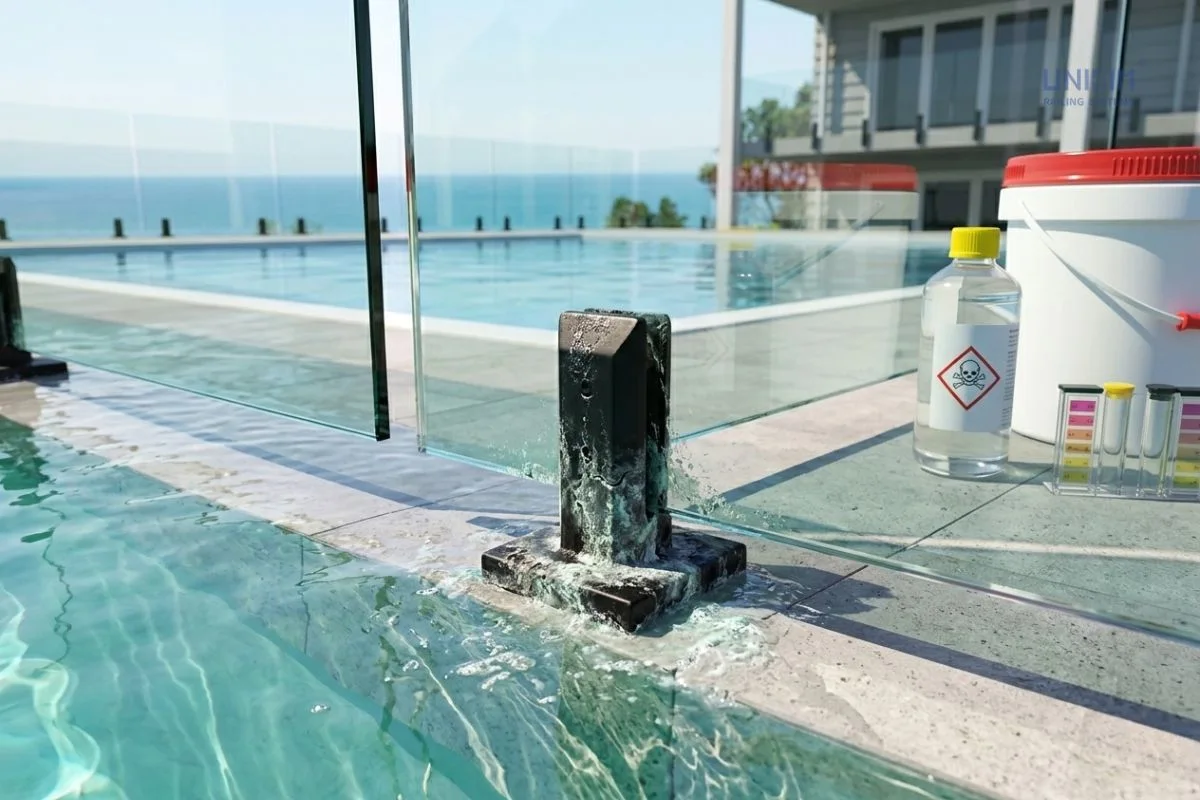
However, many people forget that pool chemicals can slowly damage outdoor metal hardware. Chlorine, saltwater, moisture, and mineral deposits all affect the lifespan of a Glass Spigot.
Without proper maintenance, corrosion may appear much sooner than expected.
This guide explains how pool chemicals impact glass fencing systems, how to prevent damage, and why choosing the right material matters for long-term durability.
Why Glass Spigot Systems Are Popular Around Pools
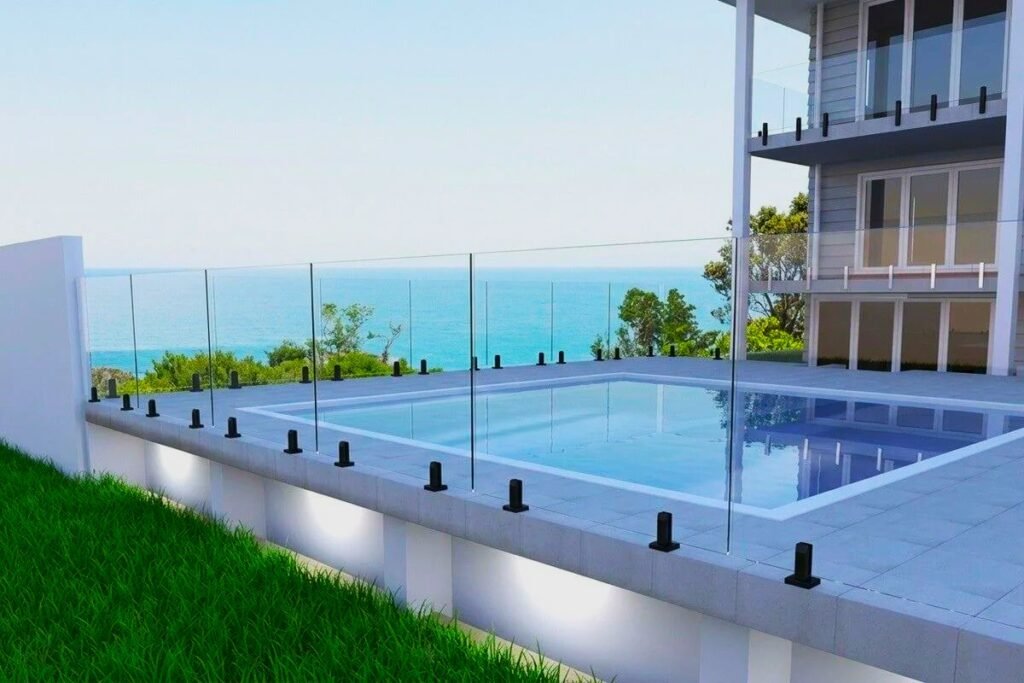
Modern pool designs focus on clean lines and open outdoor spaces. Traditional fences often block the view and make smaller yards feel crowded.
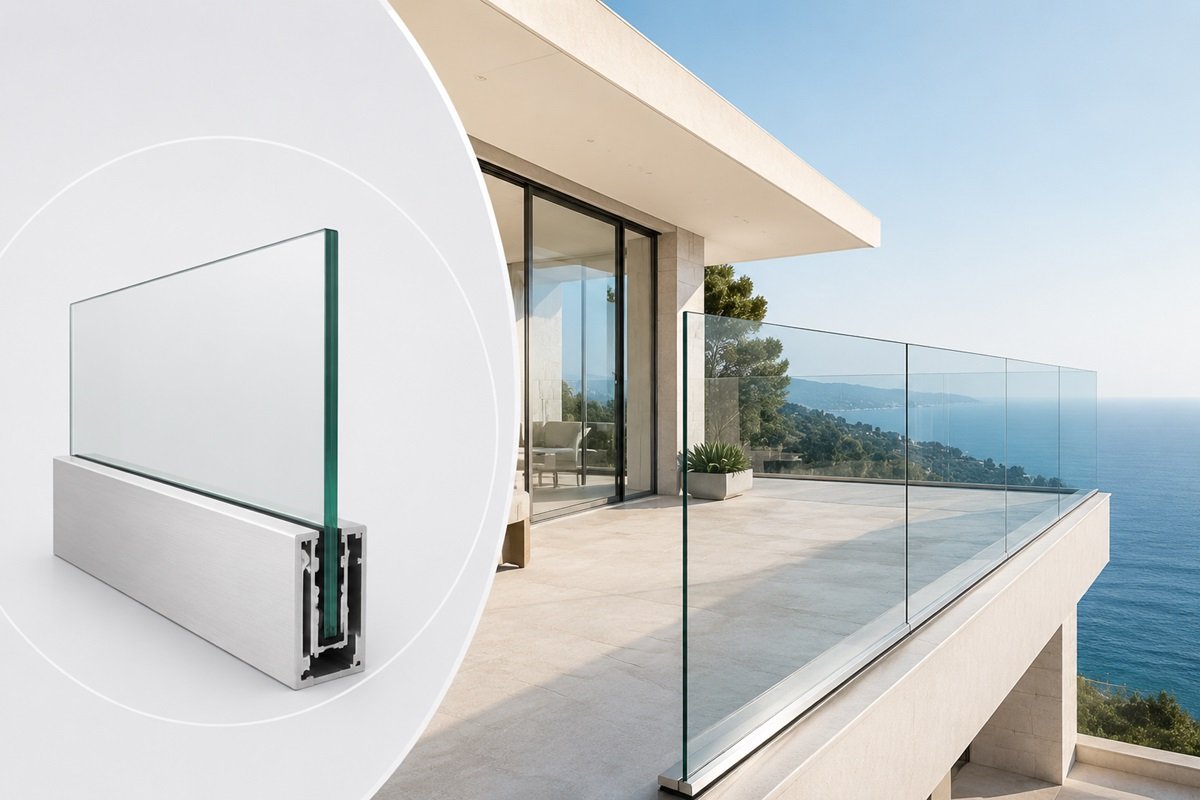
A Glass Spigot creates a frameless appearance that looks sleek and modern. Since the hardware sits at the base of the glass, the entire fence feels almost invisible.
Homeowners prefer this style because it:
- Improves pool visibility
- Enhances property value
- Creates a luxury appearance
- Matches modern architecture
- Requires minimal visual space
Many designers now recommend frameless systems for residential and commercial projects.
You can explore different modern railing solutions at unikim.
For design inspiration, many homeowners also review current trends like matte black cable systems and glass spigots.
How Pool Chemicals Affect a Glass Spigot
Pool water contains chemicals that keep the water clean and safe. Those chemicals protect swimmers from bacteria and algae. At the same time, they can slowly affect metal components around the pool.
A Glass Spigot constantly faces moisture, chlorine exposure, and changing temperatures. Over time, those conditions increase the risk of corrosion.
Chlorine Exposure
Chlorine is the most common pool sanitizer worldwide. According to the Centers for Disease Control and Prevention, proper chlorine levels help maintain healthy swimming conditions.
Still, chlorine can damage low-quality stainless steel.
Continuous exposure may lead to:
| Pool Chemical Issue | Possible Effect on Glass Spigot |
|---|---|
| High chlorine levels | Surface discoloration |
| Moisture buildup | Rust formation |
| Chemical residue | Pitting corrosion |
| Poor maintenance | Structural weakness |
These problems usually appear faster in humid outdoor environments.
Saltwater Pools
Saltwater systems continue growing in popularity. Many swimmers prefer them because the water feels softer and less irritating.
However, salt can become extremely aggressive toward outdoor hardware.
When saltwater dries on a Glass Spigot, it leaves mineral deposits behind. Those deposits slowly break down protective metal surfaces.
That is why marine-grade stainless steel matters for pool fencing.
pH Imbalance
Pool water should remain balanced throughout the year.
Highly acidic water speeds up corrosion. On the other hand, high mineral content may leave white stains around hardware bases.
A poorly balanced pool often shortens the lifespan of outdoor metal systems.
Why 316 Stainless Steel Is Important for Glass Spigot Systems
Not all stainless steel performs the same way around pools.
Many inexpensive railing systems use 304 stainless steel. While it works for some indoor projects, it may struggle in harsh outdoor environments.
A premium Glass Spigot should use 316 stainless steel instead.
316 stainless steel contains molybdenum. This element improves corrosion resistance significantly.
It performs much better in:
- Saltwater pool environments
- Coastal homes
- Humid climates
- Luxury outdoor installations
This detailed guide about 316 stainless steel for glass spigots explains the difference between 304 and 316 materials.
Homeowners can also learn more from this article covering 316 stainless steel glass spigots for outdoor installations.
Signs of Glass Spigot Corrosion
Corrosion rarely appears overnight. Small warning signs usually develop first.
Spotting problems early helps avoid expensive repairs later.
Surface Staining
Brown or yellow stains often indicate chemical exposure.
These marks may appear near the base of the Glass Spigot where water collects regularly.
Rust Spots
True marine-grade stainless steel resists rust effectively. Small orange spots may signal poor-quality materials or contamination.
White Mineral Deposits
Hard water leaves calcium buildup on outdoor hardware.
Those deposits trap moisture against the metal surface.
Loose Glass Panels
Corrosion inside mounting systems can weaken structural stability.
If glass panels begin moving or wobbling, inspection becomes necessary immediately.
How to Protect Your Glass Spigot From Pool Chemicals
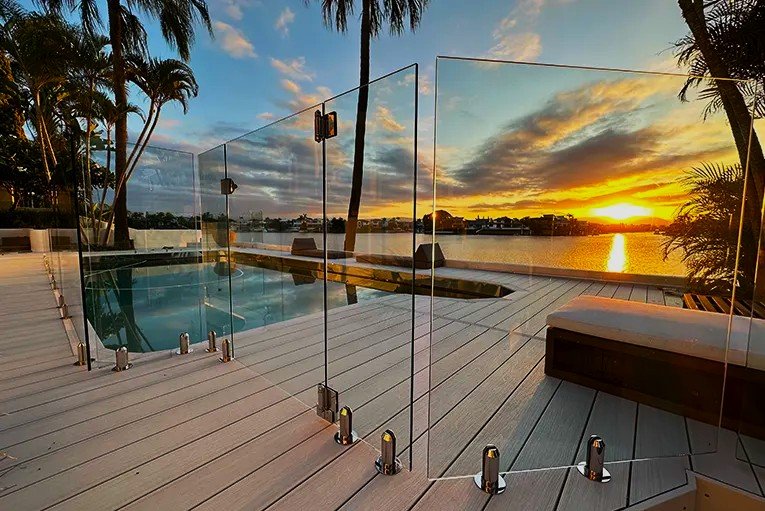
Proper maintenance dramatically increases the lifespan of outdoor hardware. Fortunately, basic care routines are simple and affordable.
Rinse Hardware Regularly
Fresh water removes chlorine and salt residue before corrosion develops. Pool owners should rinse every Glass Spigot frequently during hot weather or heavy pool use. This step becomes even more important near coastal areas.
Clean With Mild Soap
Harsh cleaners damage protective finishes.
Instead, use:
- Warm water
- Mild dish soap
- Soft microfiber cloths
Avoid steel brushes or abrasive pads.
Inspect the Hardware
Check your fencing system several times each year.
Look carefully for:
- Rust spots
- Loose fittings
- Water buildup
- Surface damage
Early maintenance prevents larger structural issues.
Maintain Proper Water Chemistry
Balanced water chemistry protects both swimmers and outdoor equipment.
The Pool & Hot Tub Alliance recommends regular testing to maintain safe chemical levels.
Choosing the Best Glass Spigot for Pool Areas
Many buyers focus only on appearance. Material quality matters far more in the long term.
A reliable Glass Spigot should provide:
| Important Feature | Why It Matters |
|---|---|
| 316 stainless steel | Better corrosion resistance |
| Strong base support | Improved safety |
| Smooth finish | Easier cleaning |
| Weather resistance | Longer lifespan |
| Precision engineering | Better stability |
Cheap hardware may look attractive initially. However, lower-quality products often fail much sooner.
This resource on glass railing spigots for pool fencing explains how premium materials improve performance.
Frameless Pool Fencing Continues Growing in Popularity
Modern homeowners want outdoor areas to feel open and luxurious.
Frameless glass systems supported by a Glass Spigot create that clean architectural appearance perfectly.
Compared to traditional fencing, frameless systems offer several advantages.
| Frameless Glass Fencing | Traditional Metal Fencing |
|---|---|
| Clear pool visibility | Blocked sightlines |
| Modern appearance | Heavier visual design |
| Minimal structure | Bulky framework |
| Luxury feel | Standard appearance |
Many luxury homes now combine frameless glass fencing with outdoor kitchens, premium decking, and modern landscaping.
You can explore additional inspiration through:
- frameless glass railing systems for pools
- glass railing for pool fencing
- frameless pool fencing glass railing
Why Proper Installation Matters
Even the best Glass Spigot performs poorly when installation quality is low. Professional installation improves both safety and durability.
Correct Drainage
Water should never remain trapped around the hardware base. Standing moisture increases corrosion risks significantly.
Proper Anchoring
Glass fencing systems face wind pressure, movement, and impact over time. Strong anchoring prevents long-term structural problems.
Correct Glass Thickness
Every spigot system supports specific glass thickness ranges. Improper fitting may weaken the entire installation.
This installation guide for glass spigot railing systems explains why professional setup matters.
Commercial Pool Areas Require Stronger Hardware
Hotels, apartment buildings, and resorts experience much heavier usage than residential pools. Commercial environments expose every Glass Spigot to constant chemical treatments and cleaning products. That is why commercial projects should always prioritize marine-grade stainless steel. Developers often review systems like commercial glass deck railing for high-traffic environments.
Climate Also Affects Glass Spigot Durability
Environmental conditions play a major role in hardware lifespan.
Coastal Regions
Salt air accelerates corrosion rapidly. A low-quality Glass Spigot near the ocean may deteriorate within a few years.
Humid Climates
High humidity increases moisture exposure every day. Frequent cleaning becomes especially important in tropical environments.
Cold Weather Areas
Freeze-thaw cycles stress mounting systems during winter. Proper drainage helps prevent expansion damage.
Mistakes Pool Owners Make
Many corrosion problems happen because of avoidable maintenance mistakes.
Using Strong Acidic Cleaners
Aggressive chemicals damage protective steel surfaces. Always use gentle cleaning solutions instead.
Ignoring Early Rust Spots
Small rust marks spread quickly when ignored. Fast cleaning prevents deeper damage.
Buying Cheap Hardware
A low-cost Glass Spigot may save money initially but often requires earlier replacement. Premium materials provide better long-term value.
Skipping Inspections
Many people only inspect pool fencing after visible damage appears. Routine inspections catch problems much earlier.
Glass Spigot Systems Improve Property Value
Outdoor upgrades strongly influence property appeal.
Modern frameless fencing supported by a premium Glass Spigot creates a clean and luxurious appearance.
Potential buyers often notice:
- Modern design quality
- Better pool visibility
- Safer fencing systems
- Higher-end outdoor finishes
As outdoor living spaces continue growing in popularity, frameless glass systems remain a strong investment.
Quality Manufacturing Makes a Big Difference
Reliable manufacturers follow strict quality standards during production. A properly engineered Glass Spigot offers better performance and longer durability.
When evaluating suppliers, buyers should look for:
- Marine-grade materials
- Precision polishing
- Safety testing
- Engineering certifications
- Professional support
For additional railing product information, many contractors review Unikim China and installation examples from the Unikim Railings YouTube Channel.
Modern Railing Systems
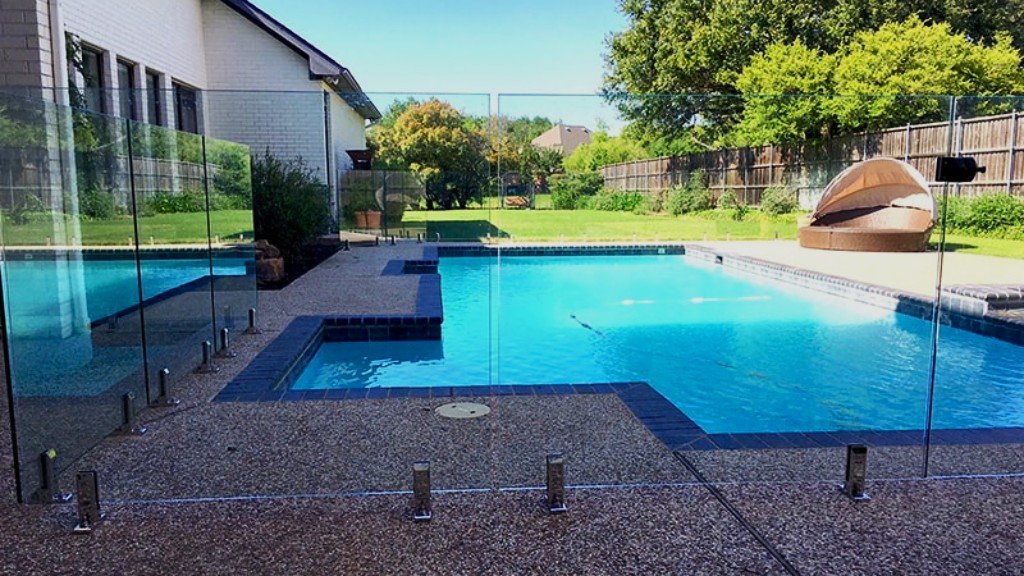
Some homeowners are unfamiliar with frameless railing terminology. A modern Glass Spigot system uses engineered hardware to support tempered glass safely without bulky posts.
If you want to understand the basics better, this guide explains what a railing system is in detail. Homeowners can also explore complementary products like glass railing sliding door systems for modern outdoor spaces.
When Should You Replace a Glass Spigot?
Even high-quality hardware eventually wears out.
Replace a damaged Glass Spigot immediately if you notice:
- Deep corrosion
- Structural cracks
- Loose glass panels
- Severe rust
- Unstable mounting
Ignoring damaged hardware creates unnecessary safety risks around pools.
Summary
Pool chemicals help maintain clean and safe swimming conditions, but they also affect outdoor hardware over time. Chlorine, saltwater, humidity, and mineral buildup can all reduce the lifespan of a Glass Spigot if low-quality materials are used.
Fortunately, proper maintenance makes a major difference. Regular cleaning, balanced pool chemistry, and professional installation all help protect frameless glass fencing systems.
Choosing a marine-grade stainless steel Glass Spigot also improves long-term durability and keeps your pool area looking modern and elegant for years. If you need professional advice, visit the unikim contact page.
FAQs
Q: Can chlorine damage a Glass Spigot?
A: Yes. High chlorine exposure can slowly corrode low-quality metal hardware. A marine-grade Glass Spigot offers much better resistance.
Q: How often should I clean my Glass Spigot?
A: Most homeowners should clean every Glass Spigot at least once each month. Coastal environments may require more frequent maintenance.
Q: Is 316 stainless steel necessary for pool fencing?
A: Yes. A 316 stainless steel Glass Spigot handles moisture, chlorine, and salt exposure far better than lower-grade materials.
Q: Why does my Glass Spigot have white stains?
A: White stains usually come from calcium or mineral deposits left behind after water evaporates around the Glass Spigot.
Q: Are frameless glass pool fences safe?
A: Absolutely. A professionally installed Glass Spigot system using tempered glass meets modern safety standards.
Q: Can saltwater pools shorten hardware lifespan?
A: Yes. Salt residue accelerates corrosion. Choosing a marine-grade Glass Spigot helps prevent early deterioration.