Choosing the right railing post material is one of the most important decisions in any railing project. Whether you are designing a residential balcony, a commercial staircase, a deck, or a modern glass railing system, the material used for the posts directly affects durability, appearance, maintenance requirements, and long-term value.
The debate surrounding Aluminum vs Stainless Steel Railing systems has become increasingly common as architects, contractors, and homeowners seek solutions that balance aesthetics with performance. Both materials have earned strong reputations in the construction industry. However, they offer very different advantages depending on the project environment and budget.
Some property owners prioritize strength and a luxury appearance. Others focus on corrosion resistance, ease of installation, and affordability. Understanding these differences before investing can prevent costly mistakes later.
At unikim, modern railing systems are designed to meet a wide range of architectural requirements. Homeowners and builders can explore complete railing solutions through unikim to find products suited to both residential and commercial applications.
This guide examines every important aspect of aluminum and stainless steel railing posts, helping you determine which material is the smarter choice for your next project.
The Role of Railing Posts
When people look at a railing system, they often notice the glass panels or handrails first. However, the railing posts perform the critical structural function.
Posts support the entire system. They transfer loads, provide stability, and ensure compliance with building safety standards. Even the most attractive railing design can fail if the supporting posts are not suited to the environment or intended use.
That is why selecting the correct material matters. The decision impacts safety, longevity, maintenance costs, and visual appeal for years to come.
What Makes Aluminum Railing Posts Popular?
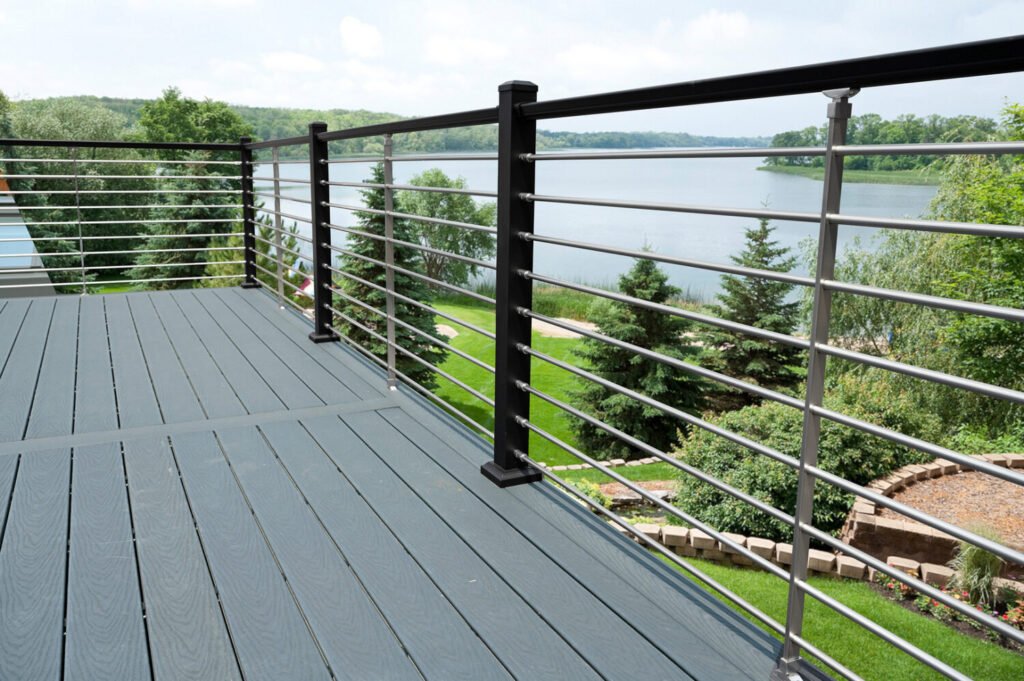
Aluminum has become one of the most widely used materials in modern railing construction. Advances in manufacturing and powder-coating technology have significantly improved its strength and durability.
One reason aluminum remains popular is its lightweight nature. Aluminum weighs roughly one-third as much as steel. This characteristic makes transportation easier and simplifies installation. Contractors often complete projects more quickly when working with aluminum systems because handling the material requires less labor.
Another major advantage is corrosion resistance. Aluminum naturally forms an oxide layer when exposed to air. This protective barrier helps prevent rust and environmental damage.
For properties located near swimming pools, coastal regions, or humid climates, aluminum often performs exceptionally well.
Modern aluminum railing systems frequently incorporate components such as aluminum base shoes. Property owners interested in glass railing installations can learn more about these systems by reviewing aluminum base shoes for glass railings.
Why Stainless Steel Remains a Premium Choice
Stainless steel has long been associated with strength, durability, and sophisticated architectural design. Unlike ordinary steel, stainless steel contains chromium. When exposed to oxygen, chromium creates a passive protective layer that helps resist corrosion. This feature allows stainless steel to maintain its appearance and structural integrity even in challenging environments. Its greatest advantage is strength. Stainless steel railing posts can withstand significantly higher loads than comparable aluminum posts. Because of this, architects frequently specify stainless steel for commercial projects, luxury residences, hotels, and public buildings.
Many premium railing systems use stainless steel because the material delivers a sleek and contemporary appearance that complements glass exceptionally well. Builders seeking high-quality stainless steel products often explore the stainless steel post collection available at stainless steel posts.
Aluminum vs Stainless Steel Railing: A Detailed Performance Comparison
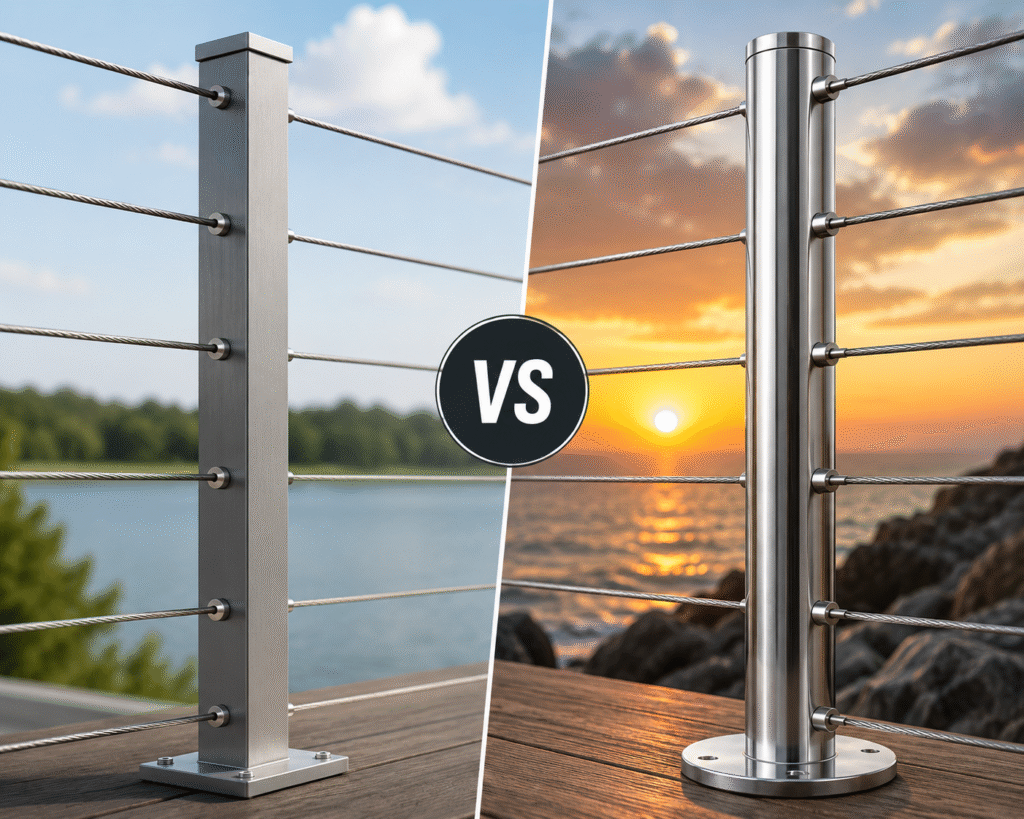
To understand which material offers better value, it helps to compare them across several key categories.
| Feature | Aluminum | Stainless Steel |
|---|---|---|
| Weight | Lightweight | Heavy |
| Strength | Good | Excellent |
| Corrosion Resistance | Excellent | Excellent |
| Maintenance | Very Low | Low |
| Installation | Easier | More Complex |
| Initial Cost | Lower | Higher |
| Luxury Appearance | Moderate | Excellent |
| Lifespan | 20–30+ Years | 30–50+ Years |
| Coastal Performance | Excellent | Excellent with 316 Grade |
While both materials perform well, their strengths appeal to different types of projects.
Aluminum vs Stainless Steel Railing Strength Comparison
Strength remains one of the biggest differences between these two materials. Stainless steel possesses substantially higher tensile strength. This means it can withstand heavier loads without bending or deforming.
Commercial buildings often require railing systems capable of handling large numbers of occupants. In these situations, stainless steel provides additional confidence and structural reliability. However, this does not mean aluminum is weak.
Modern engineered aluminum railing systems meet residential building codes and provide more than enough strength for most homes, balconies, decks, and outdoor living spaces.
For typical residential applications, homeowners rarely notice a functional difference between the two materials.
Corrosion Resistance and Weather Performance
Weather exposure can dramatically affect railing longevity. Fortunately, both aluminum and stainless steel perform exceptionally well outdoors. Aluminum naturally resists corrosion because it develops a protective oxide layer. Unlike traditional steel, it does not rust.
Stainless steel relies on chromium content for protection. When the surface becomes scratched, the passive chromium layer repairs itself, maintaining corrosion resistance.
For coastal environments, marine-grade 316 stainless steel is often recommended because of its superior resistance to salt exposure.
If your project is located near the ocean, understanding the differences between material systems becomes even more important. This comparison guide offers additional insight aluminum railing system vs stainless steel
Aesthetic Differences Between Aluminum and Stainless Steel
Visual appearance often influences purchasing decisions as much as performance. Aluminum offers flexibility through powder-coated finishes. Property owners can choose from numerous colors and textures that complement contemporary architecture.
Stainless steel delivers a distinctly different look. Its polished or brushed finish creates a premium appearance associated with luxury construction.
Modern glass railing systems frequently pair stainless steel posts with clear glass panels because the combination creates an elegant and minimalist design.
Those seeking inspiration for contemporary railing projects can explore examples featured in modern balcony glass railing ideas.
Installation and Labor Costs
Installation expenses often surprise property owners. Material costs represent only part of the overall investment. Labor requirements can significantly affect total project pricing.
Because aluminum weighs less, installation typically requires fewer workers and less equipment. Contractors can often complete projects faster.
Stainless steel’s additional weight increases handling requirements. Fabrication and installation frequently demand greater precision, especially for custom architectural projects. As a result, stainless steel installations generally cost more.
However, many property owners consider the premium worthwhile because of the material’s superior appearance and longevity.
Long-Term Maintenance Requirements
Maintenance is another area where aluminum often holds an advantage. Most aluminum railing systems require little more than occasional cleaning with mild soap and water. Powder-coated finishes help preserve appearance for years.
Stainless steel also requires relatively little maintenance. However, owners should periodically remove dirt, pollutants, and salt deposits to maintain the material’s finish. Routine care helps maximize lifespan regardless of the chosen material.
Which Material Provides Better Value?

Value depends on project goals. If minimizing upfront costs is the priority, aluminum often delivers the best return on investment.
If appearance, prestige, and maximum strength matter more, stainless steel may justify the higher price. Many modern projects combine both materials strategically. For example, some designers use aluminum base systems while incorporating stainless steel accents.
Understanding the differences between these approaches can help optimize both budget and performance. Additional insights are available through aluminum base shoe vs u channel and stainless steel and aluminum railing posts.
Industry Trends and Modern Railing Design
Architectural trends increasingly favor minimalist railing systems featuring glass, aluminum, and stainless steel.
Manufacturers continue developing innovative railing technologies to improve durability and simplify installation. Industry professionals frequently review product developments through resources such as unikimchina.en.made-in-china and educational installation content available at youtube.@unikimrailings8270.
These evolving designs allow builders to create cleaner, more contemporary spaces while maintaining safety and performance.
Summary
The choice between Aluminum vs Stainless Steel Railing systems ultimately depends on budget, design preferences, and environmental conditions.
Aluminum offers affordability, lightweight installation, and outstanding corrosion resistance. Stainless steel delivers unmatched strength, luxury aesthetics, and exceptional longevity.
Both materials perform exceptionally well when properly specified and installed. By evaluating your project’s requirements carefully, you can select a railing system that provides lasting beauty, safety, and value.
For product recommendations or project assistance, visit unikim and connect with the URailing team.
FAQs
Q: Is aluminum better than stainless steel for outdoor railings?
A: The answer depends on the project. In the Aluminum vs Stainless Steel Railing comparison, aluminum offers lower maintenance and excellent corrosion resistance, while stainless steel provides greater strength and a premium appearance.
Q: Which lasts longer, aluminum or stainless steel railing posts?
A: Most Aluminum vs Stainless Steel Railing evaluations show that quality stainless steel generally lasts longer, although aluminum also provides decades of reliable performance.
Q: Is stainless steel worth the additional cost?
A: For many luxury projects, the Aluminum vs Stainless Steel Railing decision favors stainless steel because of its aesthetics, strength, and long-term value.
Q: Which material works best for coastal properties?
A: When considering Aluminum vs Stainless Steel Railing systems near the ocean, powder-coated aluminum and marine-grade stainless steel are both excellent choices.
Q: Does aluminum rust over time?
A: No. During an Aluminum vs Stainless Steel Railing comparison, aluminum stands out because it naturally resists rust and corrosion.