Modern rooftop terraces are no longer simple outdoor spaces. Today, they function as entertainment areas, private lounges, restaurant seating zones, and luxury extensions of residential or commercial buildings. Because of this shift, architects and property owners now prioritize both safety and visual appeal.
A Frameless Glass Railing System has become one of the most popular solutions for rooftop terraces. It creates a clean appearance while keeping views fully open. Unlike bulky metal or wooden railings, frameless glass offers a sleek and modern finish without making the rooftop feel closed in.
However, specifying the correct system requires more than choosing glass panels. Wind loads, mounting methods, glass thickness, drainage planning, and hardware quality all affect long-term performance.
This guide explains everything you need to know before selecting a Frameless Glass Railing System for a rooftop terrace. It also covers important design considerations, safety requirements, and installation tips that help avoid costly mistakes later.
For more information about modern railing products, visit the official Unikim website.
Why Rooftop Terraces Need a Frameless Glass Railing System
Rooftop spaces face different environmental conditions compared to balconies or ground-level patios. Wind pressure is stronger. Sun exposure is more direct. Rainwater drainage also becomes more critical.
Because of this, rooftop railings must provide durability without compromising appearance.
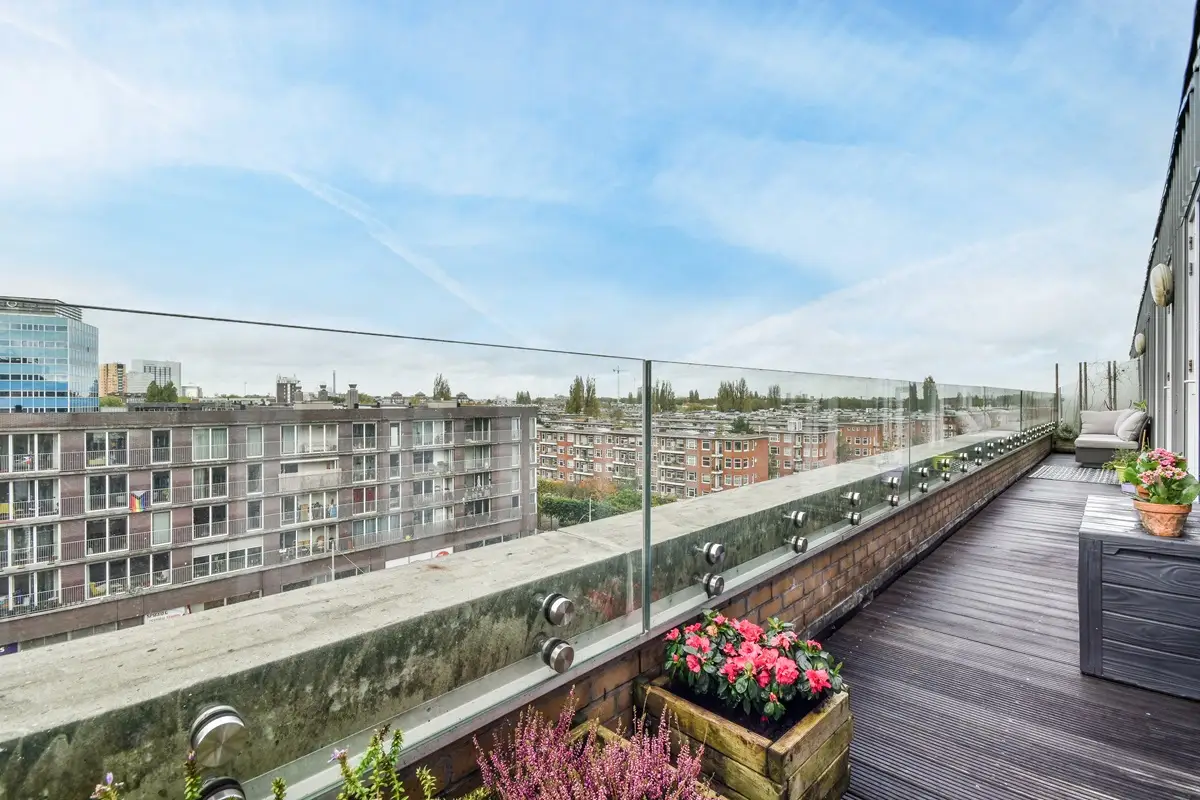
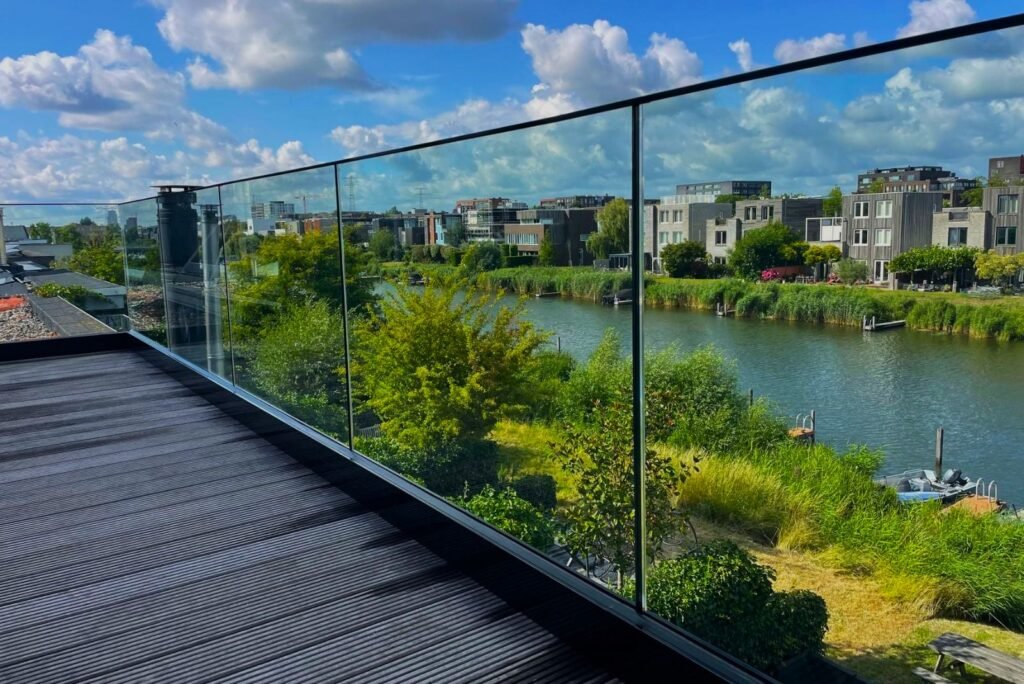
A Frameless Glass Railing System works especially well because it combines strength with minimal visual obstruction. Property owners can enjoy skyline views, ocean scenery, or city landscapes without interruption.
Glass railings also create a larger visual effect. Small rooftop terraces often appear more spacious when traditional railing materials are removed.
Many luxury hotels and apartment buildings now use frameless systems because buyers and guests prefer modern outdoor designs.
Rooftop Safety Requirements
Safety always comes first when specifying a rooftop railing system.
Most local building codes require rooftop railings to meet minimum height and structural standards. In many regions, rooftop railings must be at least 42 inches high.
Glass selection is equally important. Tempered laminated safety glass is commonly required because it remains bonded together if broken.
Several factors influence safety performance:
| Specification Factor | Importance |
|---|---|
| Glass thickness | Prevents excessive movement |
| Wind resistance | Protects against rooftop pressure |
| Mounting strength | Keeps panels secure |
| Stainless steel hardware | Improves durability |
| Waterproof integration | Prevents structural damage |
For a deeper look at engineering requirements, read Frameless Glass Railing System Structural Safety Guide.
Choosing the Right Glass Type
The glass itself is the most important part of any Frameless Glass Railing System.
Tempered Glass
Tempered glass is heat-treated for additional strength. It is much stronger than ordinary glass and breaks into smaller fragments for improved safety.
Laminated Glass
Laminated glass uses multiple layers bonded together with a protective interlayer. If the glass cracks, the panel usually stays intact.
For rooftop terraces, laminated tempered glass is often the best solution because it offers both strength and safety.
Recommended Thickness
Glass thickness depends on several conditions:
- Rooftop height
- Wind exposure
- Panel size
- Local building codes
- Mounting style
Common rooftop terrace systems use glass between 12mm and 17.52mm thick.
Commercial rooftops often require thicker laminated panels due to higher occupancy and wind pressure.
Best Mounting Options for Rooftop Glass Railings
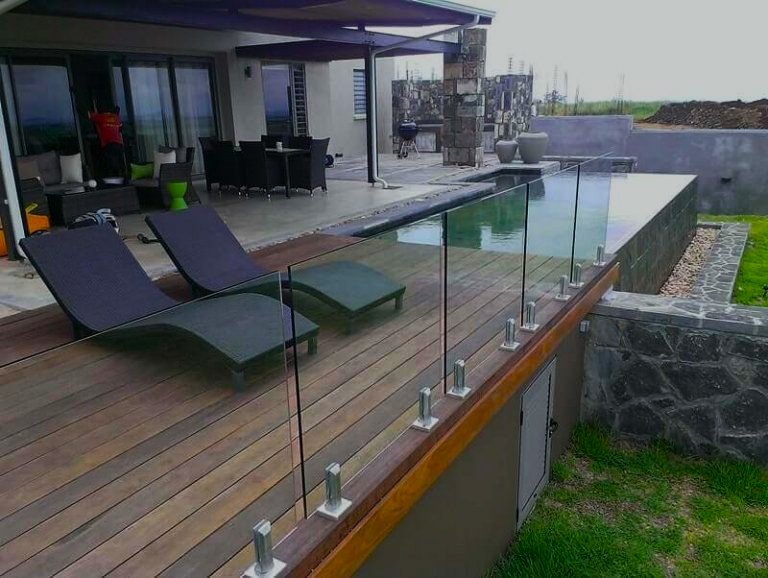
Different mounting methods create different visual and structural results.
Base Shoe Systems
Base shoe systems secure the glass inside a continuous metal channel mounted directly to the floor.
This option creates a very clean appearance. It also provides strong support for large glass panels.
Architects frequently choose base shoe systems for luxury rooftop projects because they minimize visible hardware.
Side-Mounted Systems
Side-mounted railings attach to the outer edge of the rooftop slab.
This method increases walking space because the hardware does not occupy the terrace floor.
Side-mounted systems also improve drainage efficiency.
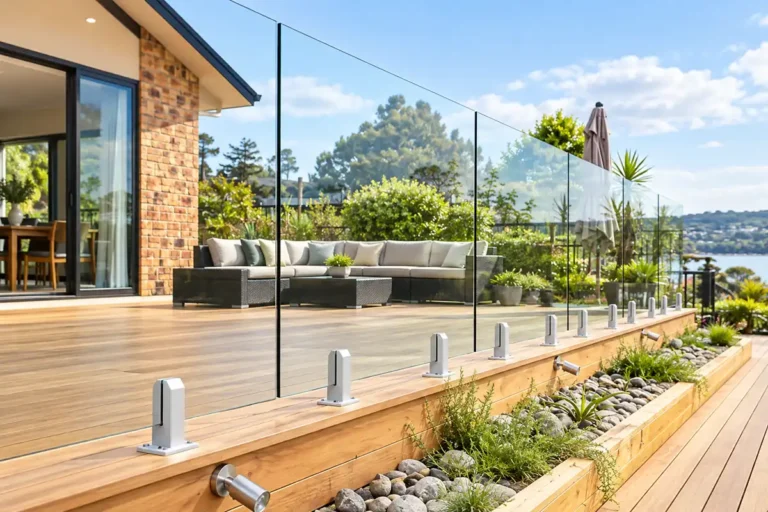
Spigot Systems
Spigot-mounted glass railings use stainless steel fittings to support each panel individually.
These systems create a floating-glass appearance that works beautifully in modern architecture.
Useful hardware options include:
- Stainless Steel Glass Swimming Pool Fence Spigot
- Glass Pool Fencing Spigot for Swimming Pools
- Side Mount Glass Fitting Spigot
Wind Load Considerations for a Frameless Glass Railing System
Wind pressure becomes much stronger at higher elevations.
That is why rooftop terraces require detailed engineering analysis before installation.
A professional engineer typically evaluates:
- Building height
- Geographic location
- Local weather conditions
- Wind speed ratings
- Glass dimensions
- Anchor strength
Large glass panels may flex under heavy wind loads if the specification is incorrect.
Proper engineering prevents excessive movement and ensures long-term safety.
Why Stainless Steel Hardware Matters
Hardware quality directly affects system durability.
Outdoor rooftop environments expose railing systems to rain, UV rays, humidity, and pollution every day.
Low-quality hardware may corrode quickly. Rust stains can also damage nearby surfaces.
For this reason, many professionals recommend marine-grade 316 stainless steel.
This material performs especially well in:
- Coastal environments
- Humid regions
- Rooftop pools
- Commercial buildings
To better understand railing system components, visit What Is a Railing System.
Rooftop Drainage and Waterproofing
Drainage planning is often overlooked during railing installation.
Poor drainage can create serious roofing problems over time.
Water accumulation may lead to:
- Roof leaks
- Mold growth
- Structural deterioration
- Corrosion around anchors
A well-designed rooftop terrace should include proper waterproof membranes and drainage channels.
Side-mounted railing systems often work better for drainage because they keep the terrace surface clear.
Contractors should coordinate waterproofing and railing attachment details before installation begins.
Design Benefits of a Frameless Glass Railing System
Modern architecture focuses heavily on openness and natural light.
A Frameless Glass Railing System supports these goals perfectly.
Unobstructed Views
Glass panels preserve scenic views without interruption.
This feature becomes especially valuable for rooftop terraces overlooking oceans, mountains, or city skylines.
Luxury Appearance
Frameless systems create a premium architectural finish that increases property appeal.
Many luxury developments now consider frameless glass a standard design feature.
Improved Natural Light
Unlike solid railings, clear glass allows sunlight to move freely across the terrace.
This creates a brighter and more inviting environment.
For additional design inspiration, explore:
- Frameless Glass Railing Systems Modern Design Solutions
- Frameless Glass Railing Systems for Balconies and Decks
Frameless Glass vs Traditional Railings
Choosing the right railing material affects appearance, maintenance, and property value.
| Feature | Frameless Glass | Metal Railings | Wood Railings |
|---|---|---|---|
| Visibility | Excellent | Moderate | Limited |
| Maintenance | Low | Medium | High |
| Modern appearance | Excellent | Good | Traditional |
| Weather resistance | Strong | Good | Lower |
| Property value impact | High | Medium | Medium |
A Frameless Glass Railing System often delivers the best long-term balance between aesthetics and functionality.
Rooftop Pools and Glass Railings
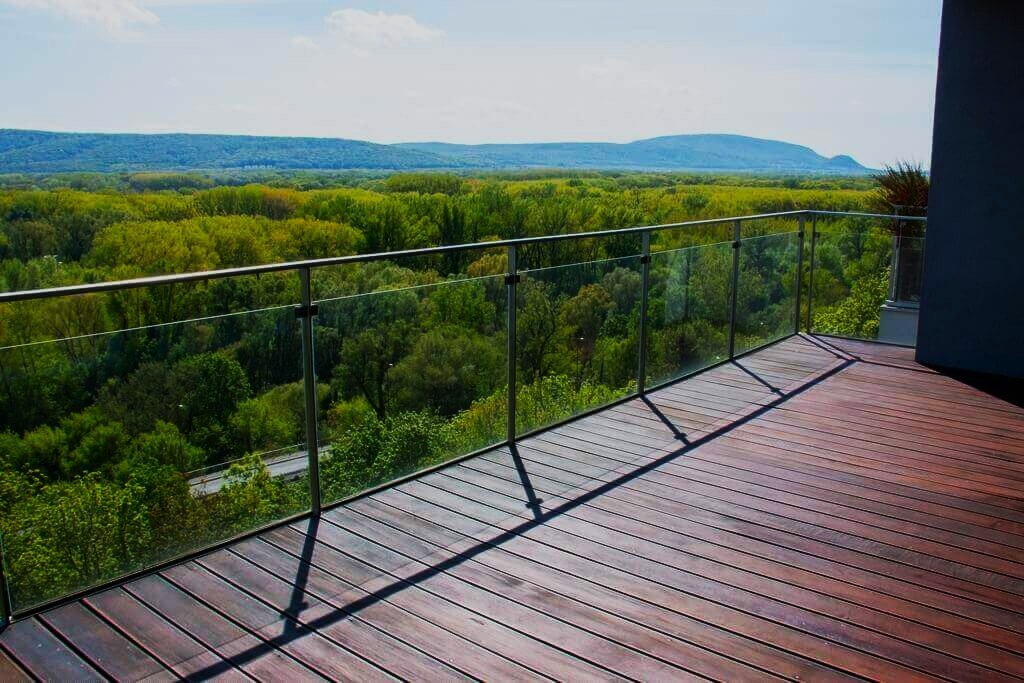
Many luxury rooftop terraces now include swimming pools or spa areas.
Glass railings help maintain open views around these spaces while improving safety.
Several related resources include:
- Frameless Glass Railing Systems for Pools
- Glass Railing for Pool Fencing
- Frameless Pool Fencing Glass Railing
- Stainless Steel Pool Fence Installation
These systems create a seamless transition between pool areas and rooftop lounge spaces.
Maintenance Tips for Long-Term Performance
A Frameless Glass Railing System requires relatively little maintenance compared to wood or painted metal railings.
Still, regular care improves long-term appearance.
Homeowners should clean glass panels regularly using non-abrasive cleaners. Stainless steel hardware should also be inspected periodically for loose fittings.
Drainage areas must remain clear to prevent water buildup.
With proper maintenance, high-quality frameless glass systems can remain attractive for decades.
How Frameless Glass Railings Increase Property Value
Modern buyers often prioritize outdoor living spaces.
A rooftop terrace with premium glass railings creates a strong first impression.
Properties with luxury rooftop amenities may also command higher resale prices.
Architectural studies show that visually open outdoor areas improve perceived property value significantly.
Because of this, developers increasingly invest in high-end rooftop designs using frameless glass systems.
Choosing a Reliable Supplier
Not all railing suppliers offer the same quality standards.
Before purchasing a Frameless Glass Railing System, review:
- Material certifications
- Engineering support
- Fabrication precision
- Installation guidance
- Hardware quality
You can also explore additional manufacturer information through Made-in-China Manufacturer Profile and product demonstrations on the Unikim Railings YouTube Channel.
Summary
A rooftop terrace should feel open, elegant, and safe at the same time. A properly engineered Frameless Glass Railing System achieves all of these goals while adding modern architectural value to the property. The right specification depends on glass thickness, mounting style, structural engineering, hardware quality, and waterproof integration. When these elements work together, the result is a durable and visually stunning rooftop environment that performs reliably for many years.
For product information or project support, visit unikim Contact Page.
FAQs
Q: What is the best glass thickness for a Frameless Glass Railing System?
A: Most rooftop projects use tempered laminated glass between 12mm and 17.52mm thick. The ideal Frameless Glass Railing System thickness depends on wind exposure and local building codes.
Q: Is a Frameless Glass Railing System safe for high-rise rooftops?
A: Yes. A professionally engineered Frameless Glass Railing System is designed to handle strong wind loads and meet structural safety standards.
Q: Does a Frameless Glass Railing System need regular maintenance?
A: A Frameless Glass Railing System requires minimal maintenance. Regular glass cleaning and hardware inspections are usually enough.
Q: Can a Frameless Glass Railing System increase property value?
A: Yes. A modern Frameless Glass Railing System improves visual appeal and creates a luxury outdoor experience that many buyers prefer.
Q: Which hardware material is best for rooftop railings?
A: Marine-grade 316 stainless steel is usually the best option for a Frameless Glass Railing System because it resists corrosion in outdoor environments.