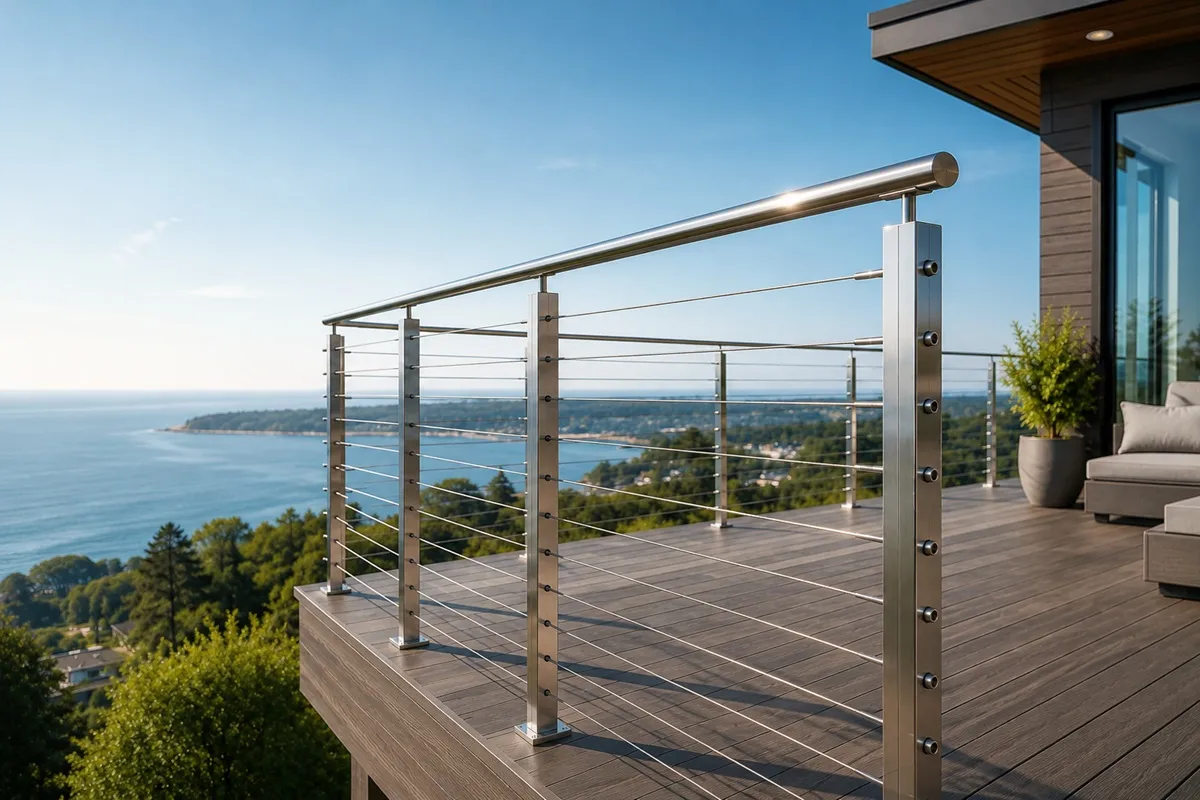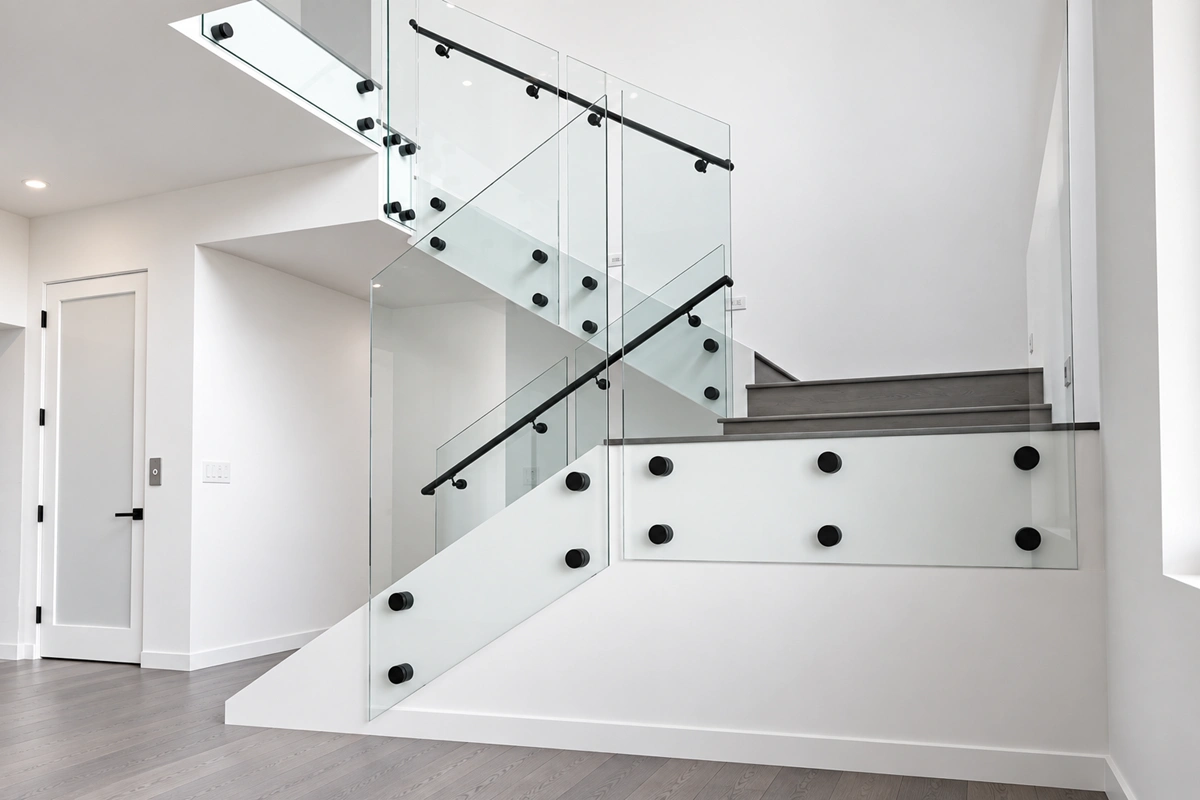
Glass railings have become a hallmark of modern architecture, offering a sleek, minimalist look while ensuring safety and durability. At the heart of these systems are glass standoff fittings for railings, which secure glass panels to walls, floors, or balustrades without bulky frames. Choosing the right fittings is crucial not only for aesthetics but also for long-term performance.
In this comprehensive guide, we’ll explore everything you need to know about selecting the best glass standoff fittings, including material choices, installation methods, design considerations, and maintenance tips.
Why Glass Standoff Fittings Matter
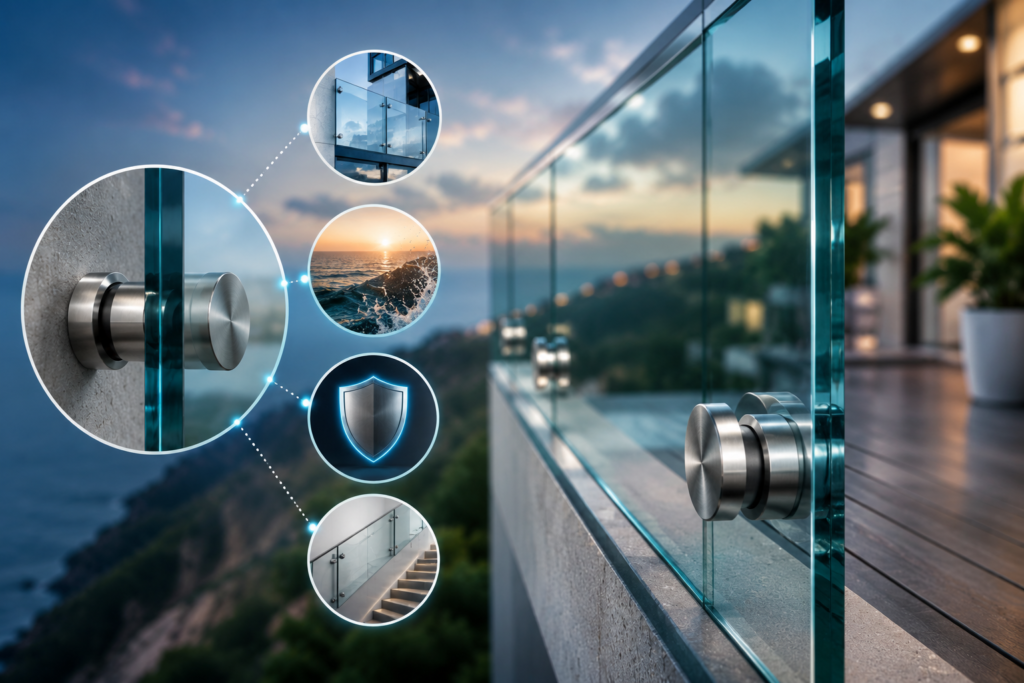
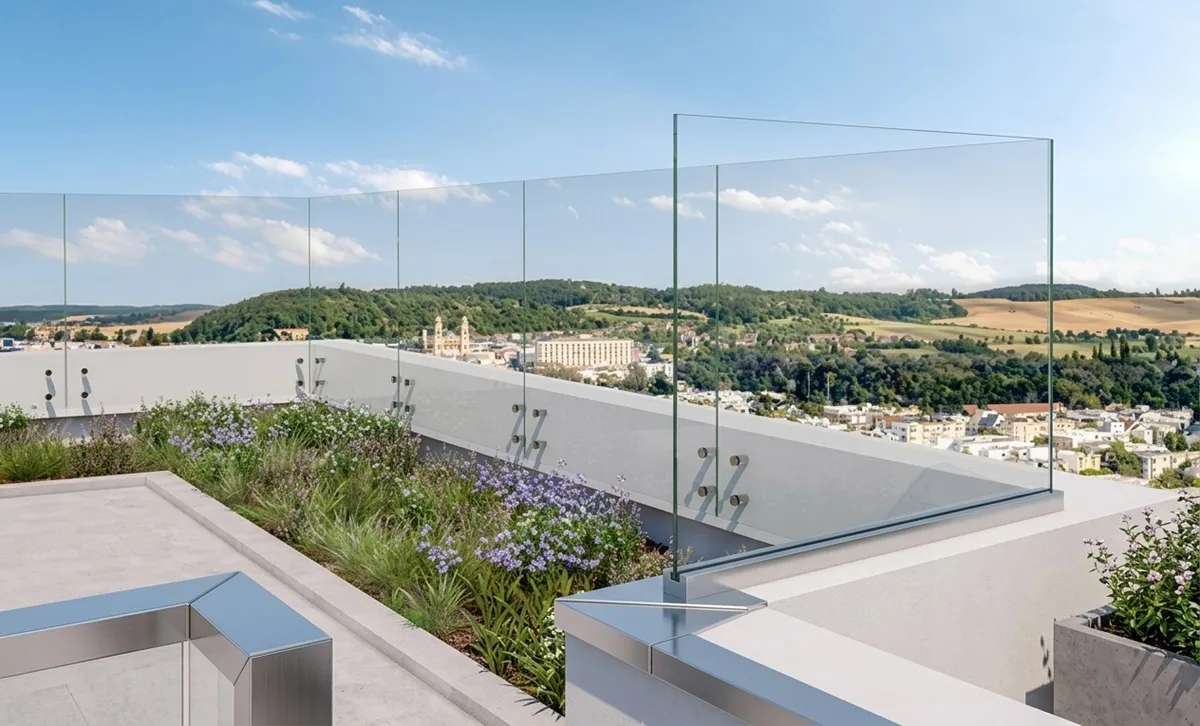
Glass standoff fittings are the unsung heroes of modern railing systems. These small yet powerful components secure glass panels to walls, floors, or balustrades while maintaining a clean, frameless look. Without them, the sleek transparency of frameless glass railings would not be possible.
Why do they matter so much? First, they ensure structural safety, keeping tempered glass panels stable against wind loads, vibrations, and everyday use. Second, they elevate aesthetic appeal by minimizing visible hardware, allowing the glass to appear floating and uninterrupted. Finally, they offer versatility, being used in staircases, balconies, pool fencing, and commercial spaces.
The choice of material is critical. For indoor projects, AISI 304 stainless steel standoffs are cost-effective and durable. For outdoor or coastal areas, AISI 316 stainless steel is the superior option due to its resistance to corrosion and saltwater exposure.
Whether you’re designing a modern home or a commercial building, investing in high-quality fittings from Unikim ensures both safety and style. Explore options like deck-mounted standoffs or square glass standoffs to match your project’s needs.
Types of Glass Standoff Fittings for Railings
When choosing fittings, it’s important to understand the different types available.
Deck-Mounted Glass Standoffs
Perfect for outdoor decks and balconies, these fittings are designed to withstand heavy loads and exposure to the elements.
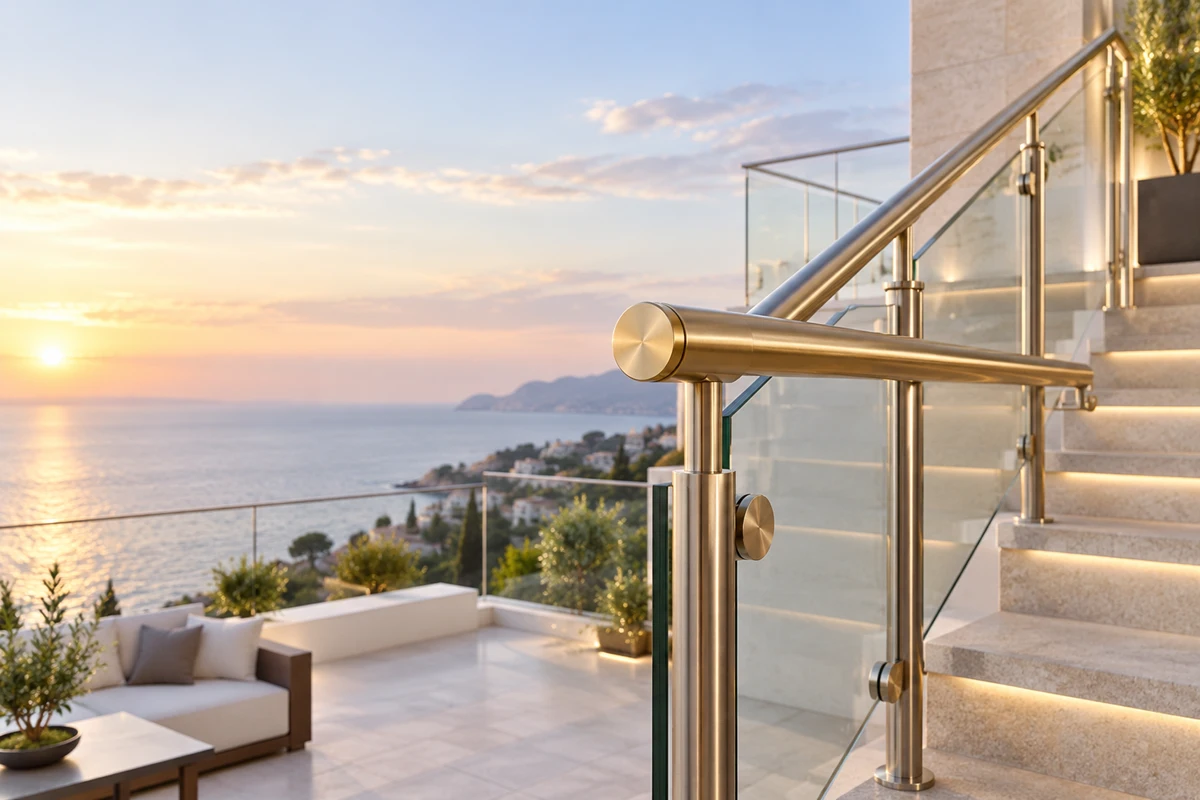
Wall-Mounted Glass Standoffs
Ideal for staircases and interior applications, wall-mounted standoffs provide a clean, floating look.
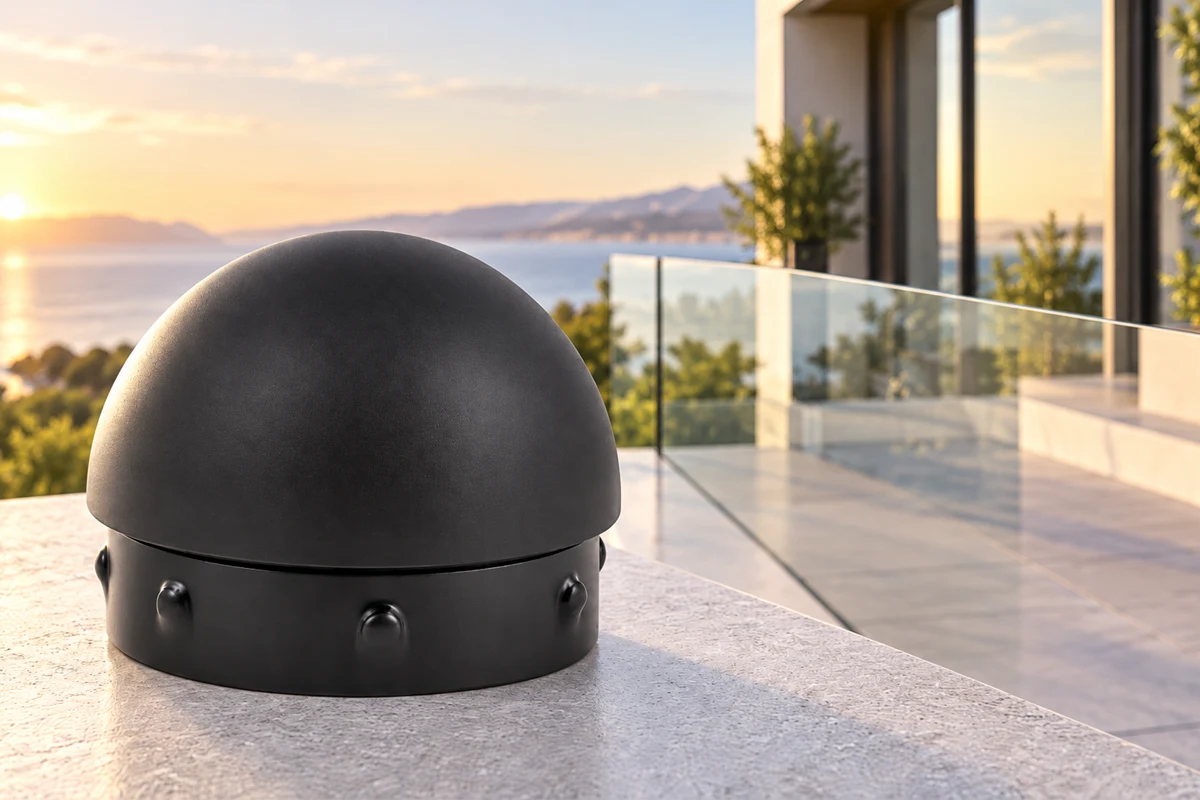
Square Glass Standoff Fittings
For those seeking a bold, geometric aesthetic, square standoffs add a unique architectural touch.
Balustrade Connectors
These fittings are specifically designed for balustrades, ensuring stability and safety in high-traffic areas.
Edge Glass Standoffs
Used for handrails and edge-mounted applications, these fittings combine functionality with elegance.
Choosing the Right Material
The most common materials for standoff fittings are AISI 304 stainless steel and AISI 316 stainless steel.
| Material | Best Use | Corrosion Resistance | Cost |
|---|---|---|---|
| AISI 304 Stainless Steel | Indoor railings | Moderate | Affordable |
| AISI 316 Stainless Steel | Outdoor, coastal areas | High (marine-grade) | Higher |
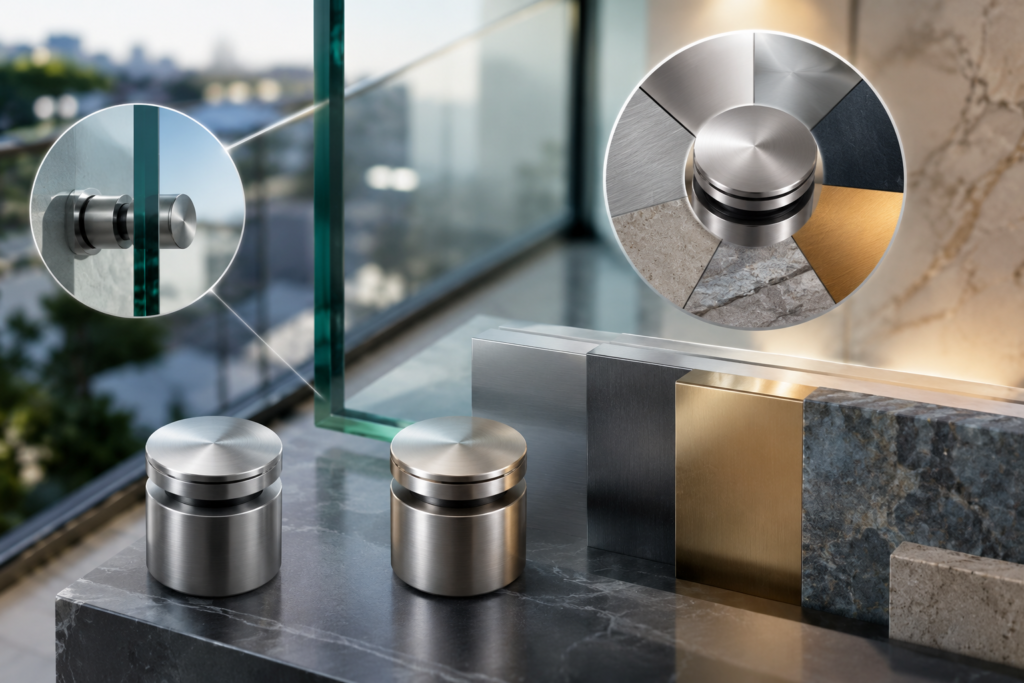
For outdoor projects, especially near pools or coastal regions, AISI 316 standoffs are the superior choice due to their resistance to saltwater corrosion.
Design Considerations
When choosing glass standoff fittings for railings, design considerations are essential to ensure both safety and aesthetics. The first factor is glass thickness, since most fittings are designed to support tempered panels between 10mm and 19mm. Equally important is load capacity, which guarantees compliance with building codes and the ability to withstand environmental stress. Style also plays a role—round standoffs create a softer, minimalist look, while square glass standoffs add a bold, architectural edge.
Finally, consider the mounting location. Floor-mounted vs. side-mounted spigots each offer unique advantages depending on available space and installation needs. Thoughtful design choices ensure durability, elegance, and long-term performance.
Installation Tips
Proper installation of glass standoff fittings for railings is essential to guarantee both safety and aesthetics. Begin by measuring precisely—misalignment can compromise structural integrity and the sleek look of the railing. Always use professional tools such as torque wrenches to ensure fittings are tightened correctly. For outdoor projects, sealing against moisture is critical to prevent corrosion. Following manufacturer guidelines is equally important, as each fitting type has specific requirements. For example, deck-mounted standoffs differ from wall-mounted standoffs in installation technique.
For a deeper overview, explore the Ultimate Guide to Stainless Steel Glass Clamp Systems to ensure your railing system is both secure and stylish.
Maintenance and Longevity
Even the best fittings require occasional maintenance:
- Clean stainless steel with mild soap and water.
- Avoid abrasive cleaners that can scratch surfaces.
- Inspect fittings annually for signs of wear or loosening.
High-quality fittings, like those offered at Unikim, are designed to last decades with minimal upkeep.
Expert Insights and Industry Trends
According to industry reports, frameless glass railings are projected to grow by over 6% annually in the global market due to rising demand for modern, minimalist architecture. Stainless steel fittings remain the most popular choice thanks to their durability and sleek finish.
For additional insights, manufacturers like Unikim China and installation tutorials on YouTube provide valuable resources for professionals and DIY enthusiasts.
Summary
Choosing the right glass standoff fittings for railings is essential for achieving both safety and style in modern architectural projects.These fittings are essential for combining safety, durability, and modern design in both residential and commercial projects. By choosing the right material—such as AISI 316 stainless steel standoffs for outdoor use—you ensure long-term performance against corrosion. Style matters too, with options like square glass standoffs offering bold aesthetics.
For practical guidance, explore the detailed posts on the Unikim blog, and browse premium product selections directly on the Unikim product page. If you need expert advice or tailored solutions, don’t hesitate to reach out through the Contact Us page.
FAQs
Q: What are glass standoff fittings for railings?
Glass standoff fittings for railings are specialized hardware components that secure tempered glass panels to walls, floors, or balustrades while maintaining a frameless, modern design. They allow the glass to appear floating, creating a sleek architectural look. These fittings are widely used in frameless glass railing systems for staircases, balconies, and pool fencing, offering both safety and elegance.
Q: Which material is best for outdoor railings?
A: For outdoor applications, AISI 316 stainless steel glass standoff fittings for railings are the best choice. Known as marine-grade stainless steel, they provide superior resistance against corrosion, moisture, and saltwater exposure. This makes them ideal for coastal areas, poolside installations, or exterior balconies. You can explore premium options like AISI 304 and AISI 316 standoffs directly at Unikim.
Q: Can standoff fittings support heavy glass panels?
A: Yes, most glass standoff fittings for railings are engineered to support tempered glass panels ranging from 10mm to 19mm thick. This ensures durability and safety even in high-traffic areas. For projects requiring extra strength, fittings such as deck-mounted standoffs or balustrade connectors are excellent choices.
Q: Are square standoff fittings stronger than round ones?
A: Strength depends more on material quality and installation technique than shape. However, square glass standoff fittings offer a bold, architectural aesthetic compared to round fittings. They are often chosen for projects where design impact is as important as functionality, making them a stylish alternative without compromising safety.
Q: Can I install standoff fittings myself?
A: DIY installation of glass standoff fittings for railings is possible, but professional installation is highly recommended. Experts ensure proper alignment, load-bearing capacity, and compliance with building codes. Incorrect installation can compromise safety and aesthetics. For guidance, explore the Ultimate Guide to Stainless Steel Glass Clamp Systems on URailing’s blog, or reach out directly via the Contact Us page for expert support.