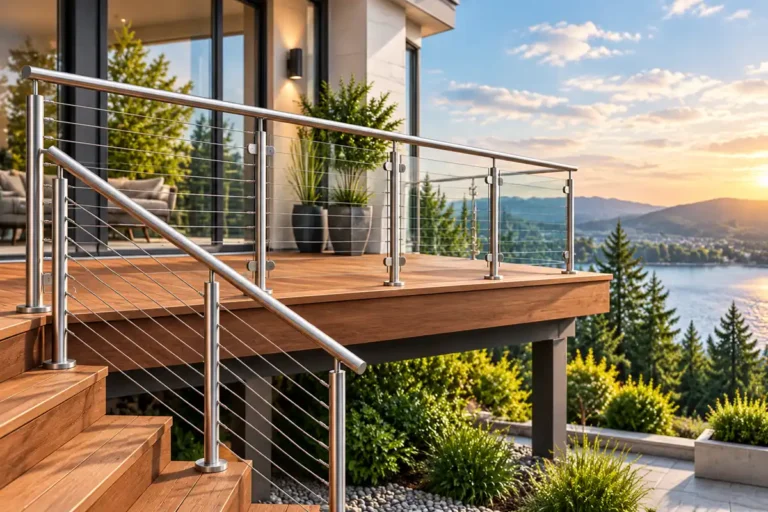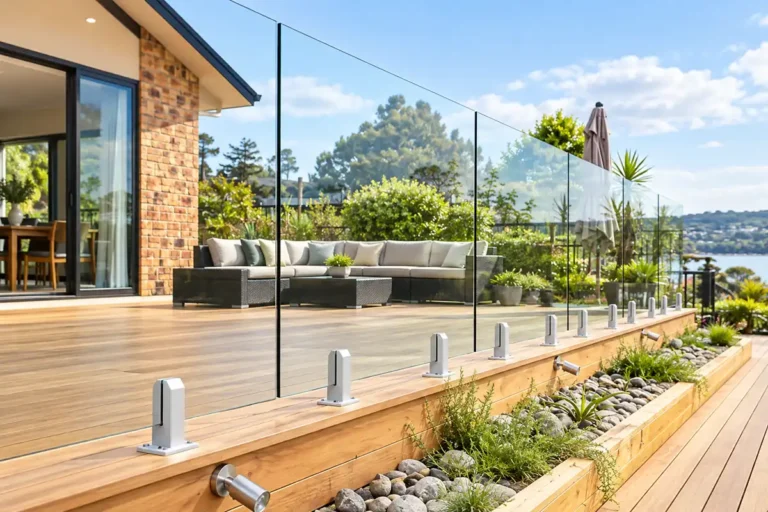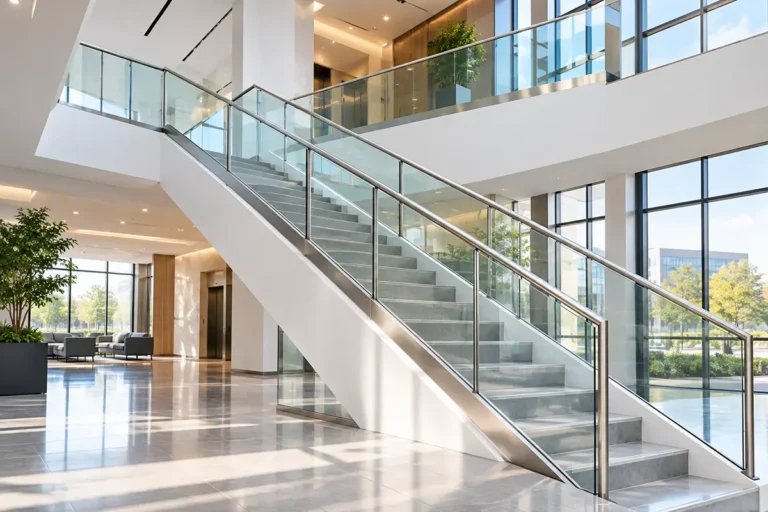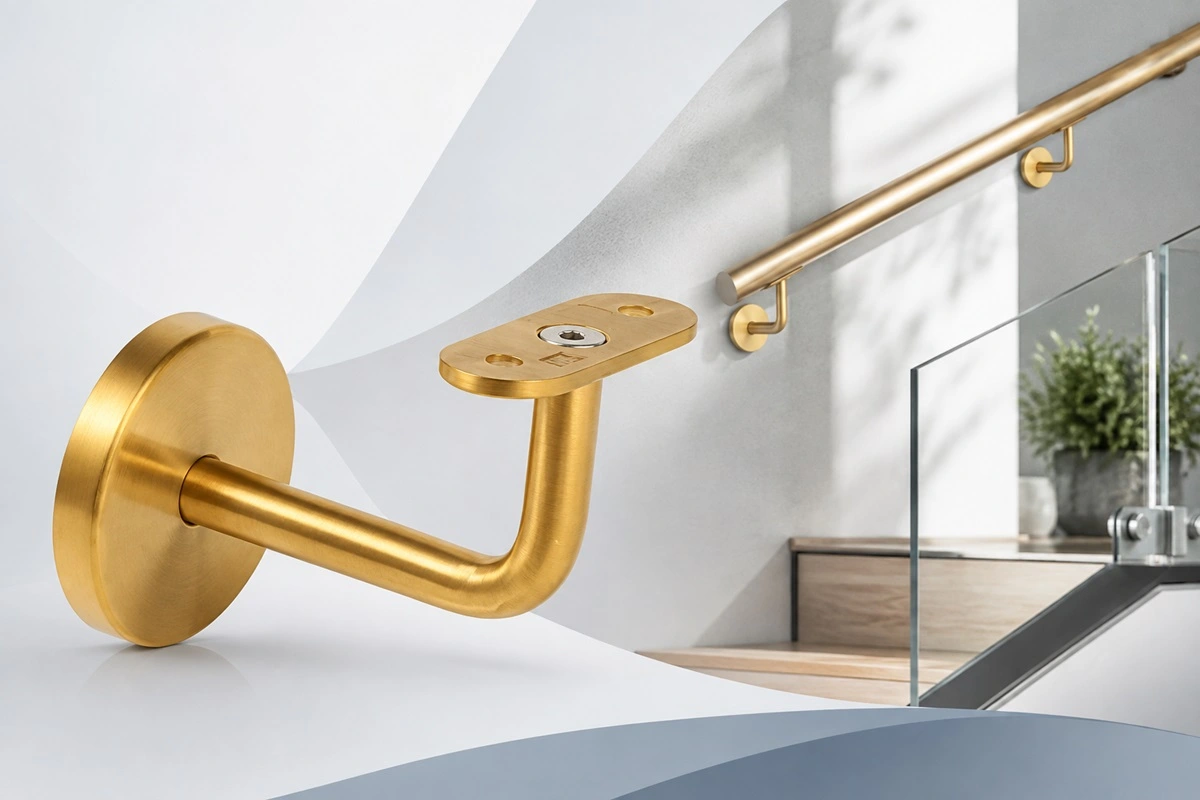
Stainless Steel Handrail End Bracket is the hardware piece that secures the end of a handrail to a wall, post, or other structural surface. Without it, the railing system would lack stability and safety. Stainless steel is the preferred material because it offers durability, corrosion resistance, and a sleek modern look.
Whether you are designing a staircase, balcony, or glass railing system, choosing the right end bracket ensures both safety and aesthetics. According to industry data, stainless steel fittings account for over 65% of modern railing installations worldwide, thanks to their longevity and low maintenance requirements.
For homeowners, contractors, and architects, understanding the role of these brackets is crucial in building railing systems that meet safety codes and design expectations.
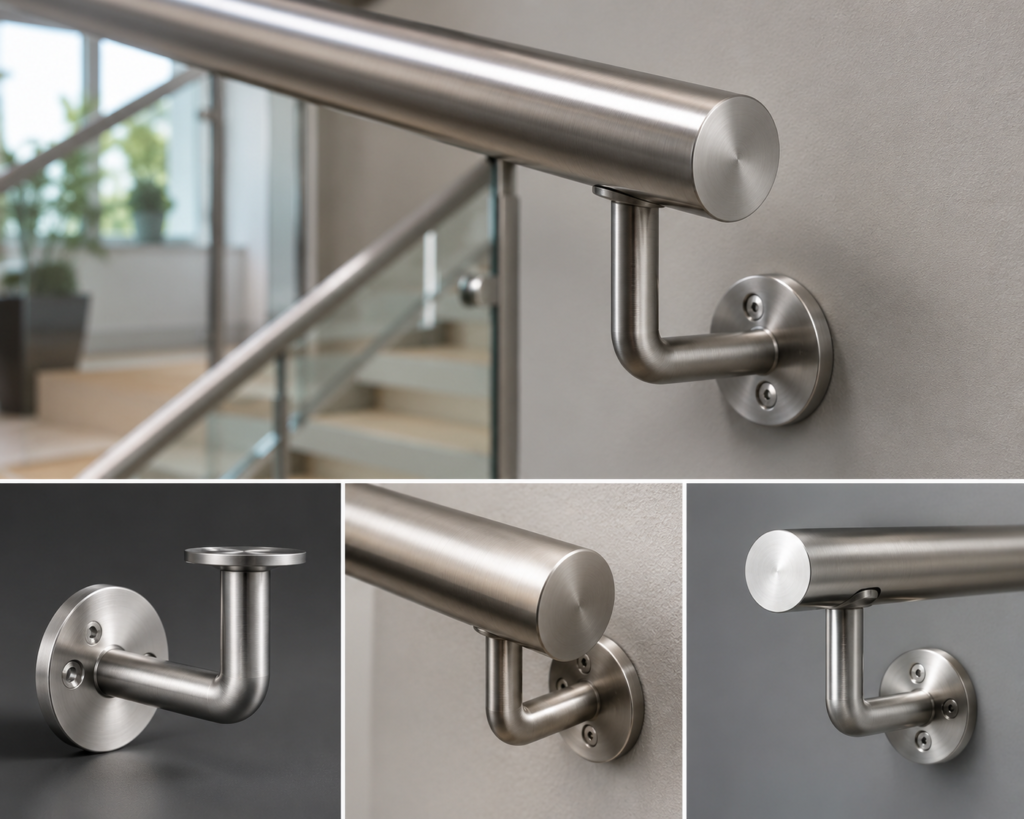
What is a Stainless Steel Handrail End Bracket?
A Stainless Steel Handrail End Bracket is a specialized fitting designed to secure the terminal end of a handrail to a wall, post, or other structural surface. It plays a vital role in ensuring that railing systems remain stable, safe, and compliant with building codes. Unlike mid-support brackets, end brackets are engineered to handle the stress at the termination points, preventing wobbling or detachment. Stainless steel is the preferred material because it offers exceptional durability, resistance to corrosion, and a sleek modern appearance that complements both residential and commercial spaces.
These brackets are available in different designs, such as square, round, and adjustable types, making them suitable for staircases, balconies, and glass railing systems. Choosing the right grade of stainless steel — 304 for indoor use and 316 for outdoor or coastal environments — ensures long-lasting performance. Installation is straightforward, requiring precise measurements and secure fastening with stainless steel screws. Maintenance is minimal, involving regular cleaning and occasional polishing to preserve shine. For more insights, explore our detailed blog, browse premium products tailored to railing projects.
Benefits of Stainless Steel Handrail End Brackets
Durability and Strength
Stainless steel is known for its high tensile strength. End brackets made from 304 or 316 stainless steel can withstand heavy loads and resist wear over time.
Corrosion Resistance
Unlike iron or aluminum, stainless steel resists rust and corrosion, making it ideal for both indoor and outdoor applications. For coastal areas, 316 stainless steel is recommended due to its superior resistance to saltwater exposure (304 vs 316 stainless steel handrails).
Aesthetic Appeal
Polished stainless steel brackets add a sleek, modern look to staircases and balconies. They complement glass, wood, and metal handrails seamlessly.
Safety Compliance
Handrail brackets are not just decorative; they are required by building codes to ensure railing systems are secure. Using certified stainless steel brackets guarantees compliance with safety standards.
Types of Stainless Steel Handrail End Brackets
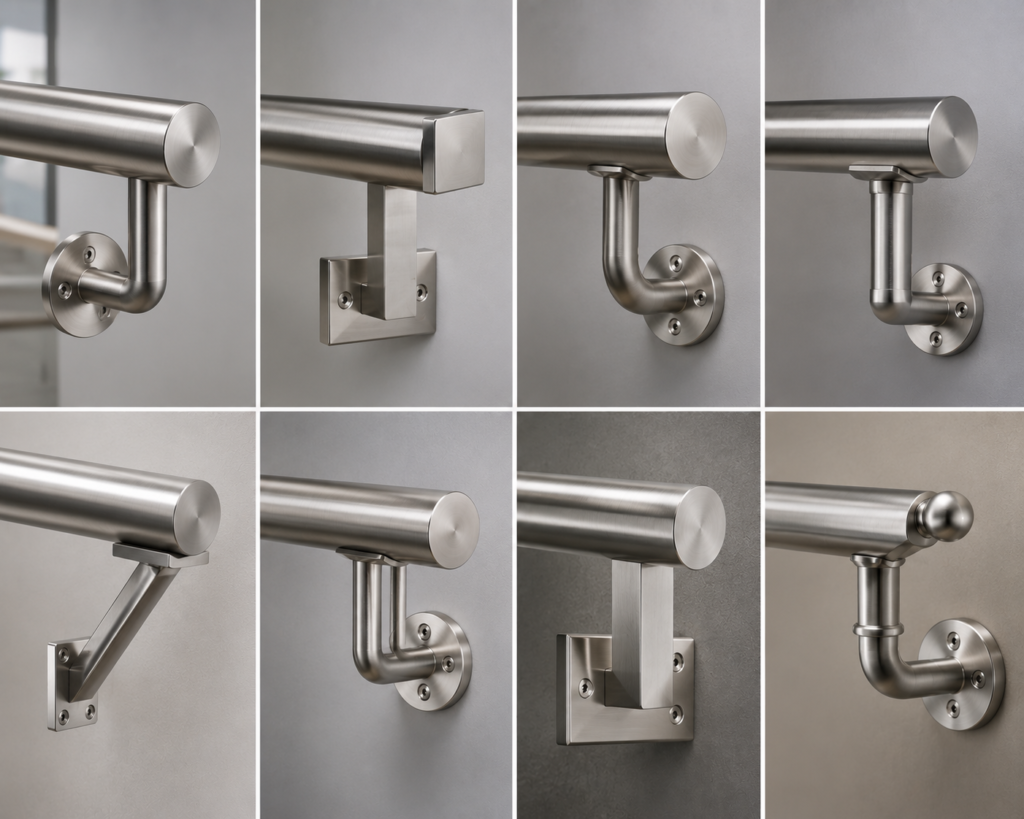
Handrail end brackets come in various designs to suit different railing systems.
| Type | Best Use Case | Example Product |
|---|---|---|
| Square End Brackets | Modern square handrails | Stainless Steel Square Handrail Mounting Brackets |
| Round End Brackets | Traditional round handrails | Unikim Stainless Steel Handrail Connector |
| Glass-Compatible Brackets | Frameless glass railing systems | Removable Handrail Brackets for Glass Railing Systems |
| Adjustable Brackets | Staircases with varying angles | Stainless Steel Handrail Brackets for Stairs |
Choosing the Right Stainless Steel Handrail End Bracket
Selecting the right Stainless Steel Handrail End Bracket is crucial for both safety and design. The decision depends on the environment, handrail type, and overall aesthetic. For indoor projects, 304 stainless steel brackets are durable and cost-effective, while 316 stainless steel is the superior choice for outdoor or coastal installations because of its resistance to saltwater and humidity. Design compatibility also matters — square brackets pair perfectly with modern square handrails, while round brackets suit traditional railing systems. Adjustable brackets are ideal for staircases with varying angles, ensuring compliance with safety standards.
Proper installation requires spacing brackets every three to four feet for maximum stability. To explore detailed comparisons, visit Best SS Handrail Fittings Guide 2026, learn more about Stainless Steel Handrail Fittings, and check 304 vs 316 Stainless Steel Handrails. For tailored advice, connect with us via the contact page.
Installation Guide: How to Fix Stainless Steel Handrail End Brackets
Installing a Stainless Steel Handrail End Bracket is straightforward but requires precision.
- Measure and Mark: Determine the exact position where the handrail ends.
- Drill Holes: Use a power drill to create holes in the wall or post.
- Attach Bracket: Secure the bracket using stainless steel screws.
- Fix Handrail: Insert the handrail into the bracket and tighten with Allen screws.
- Check Stability: Ensure the handrail is firm and does not wobble.
For staircases, adjustable brackets are recommended to accommodate varying angles.
Stainless Steel vs Other Materials
| Material | Durability | Corrosion Resistance | Aesthetic Appeal |
|---|---|---|---|
| Stainless Steel | Excellent | High | Modern, sleek |
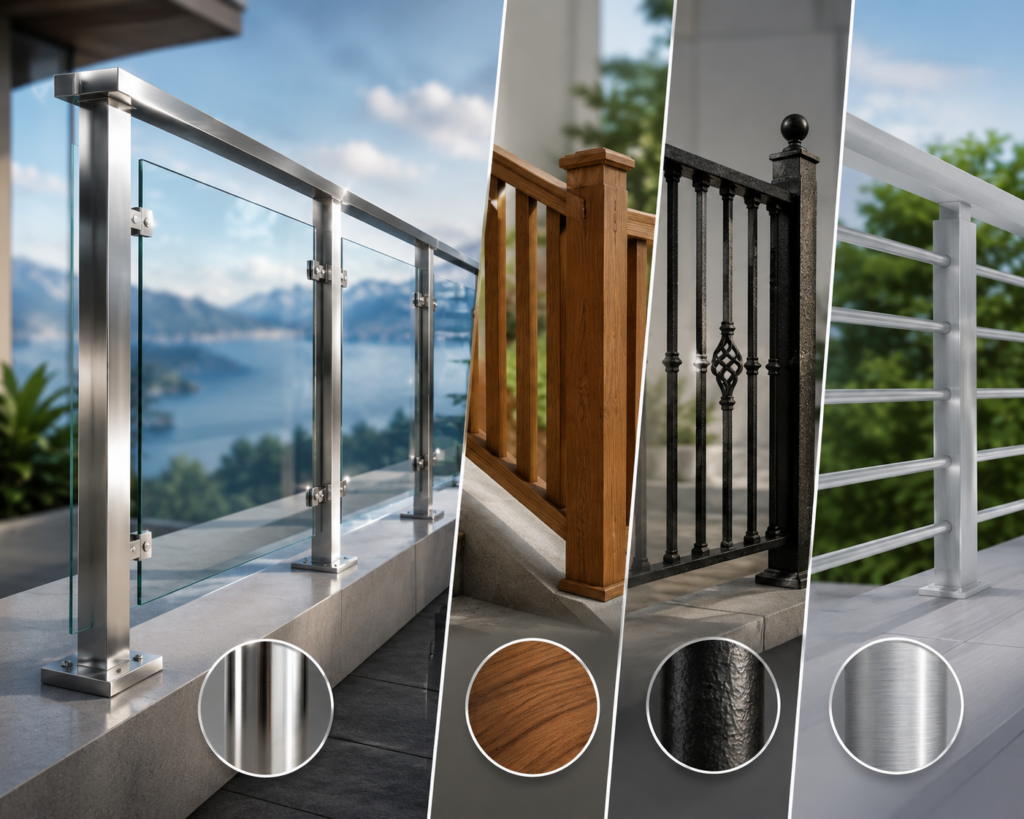
| Aluminum | Moderate | Medium | Lightweight but less premium |
| Iron | Strong | Poor | Prone to rust |
| Wood | Moderate | Low | Traditional look but high maintenance |
Maintenance Tips for Stainless Steel Handrail End Brackets
- Regular Cleaning: Wipe with a damp cloth to remove dust and fingerprints.
- Avoid Harsh Chemicals: Use mild soap instead of bleach or abrasive cleaners.
- Inspect for Loose Screws: Tighten screws periodically to maintain stability.
- Polish Occasionally: Use stainless steel polish to maintain shine.
Modern Design Trends with Stainless Steel Handrail End Brackets
In contemporary architecture, the Stainless Steel Handrail End Bracket has evolved from a purely functional component into a design feature that enhances the overall aesthetic of railing systems. Modern trends emphasize minimalism, durability, and seamless integration with materials like glass and wood. One of the most popular innovations is the use of removable handrail brackets for glass railing systems, which allow for easy installation and maintenance while maintaining a clean, frameless look. These brackets are particularly favored in luxury homes, offices, and commercial spaces where transparency and openness are key design goals.Safety remains a priority, and modern brackets are engineered to meet strict building codes while offering sleek finishes such as brushed, matte, or mirror-polished stainless steel. Designers often combine stainless steel with tempered glass to achieve a sophisticated balance of strength and elegance.
For example, the best handrail for tempered glass railing systems showcases how stainless steel brackets can complement glass panels without compromising safety. Additionally, advanced handrail brackets and supports hardware for safety ensure that modern railing systems are both stylish and secure.
Summary
The Stainless Steel Handrail End Bracket is a crucial element in modern railing systems, combining safety, durability, and sleek design. These brackets secure handrails firmly, ensuring compliance with safety standards while enhancing aesthetics in staircases, balconies, and glass railings. Stainless steel offers superior corrosion resistance, making it ideal for both indoor and outdoor use.
For more insights, explore our detailed blog section, browse premium products tailored to your railing needs, and connect with our team via the contact page for expert guidance and support.
FAQs
Q: What is the purpose of a Stainless Steel Handrail End Bracket?
A: A Stainless Steel Handrail End Bracket secures the terminal end of a handrail to a wall, post, or other surface, ensuring stability and compliance with safety standards. Without it, the railing could loosen or fail over time, creating hazards in staircases and balconies. For more details, explore our blog and see Handrail Brackets and Supports Hardware for Safety.
Q: Which stainless steel grade is best for handrail brackets?
A: The choice depends on the environment. 304 stainless steel is durable and cost-effective for indoor use, while 316 stainless steel offers superior resistance to saltwater and humidity, making it ideal for outdoor or coastal projects. Using the right grade ensures long-lasting performance. Learn more in 304 vs 316 Stainless Steel Handrails and browse premium products.
Q: How should Stainless Steel Handrail End Brackets be installed?
A: Installation requires precision. Brackets should be spaced every three to four feet, with one placed within six inches of each end of the handrail. Stainless steel screws and anchors provide maximum durability, while adjustable brackets are recommended for staircases with varying angles. For guidance, see Best SS Handrail Fittings Guide 2026 or reach out via our contact page.
Q: How do I maintain Stainless Steel Handrail End Brackets?
A: Maintenance is simple but important. Regular cleaning with mild soap and water removes dirt and fingerprints, while avoiding harsh chemicals preserves the protective layer. Outdoor brackets should be inspected periodically for corrosion or loose screws, and occasional polishing helps maintain shine. Explore Stainless Steel Handrail Fittings for durable options and check our blog for more maintenance tips.