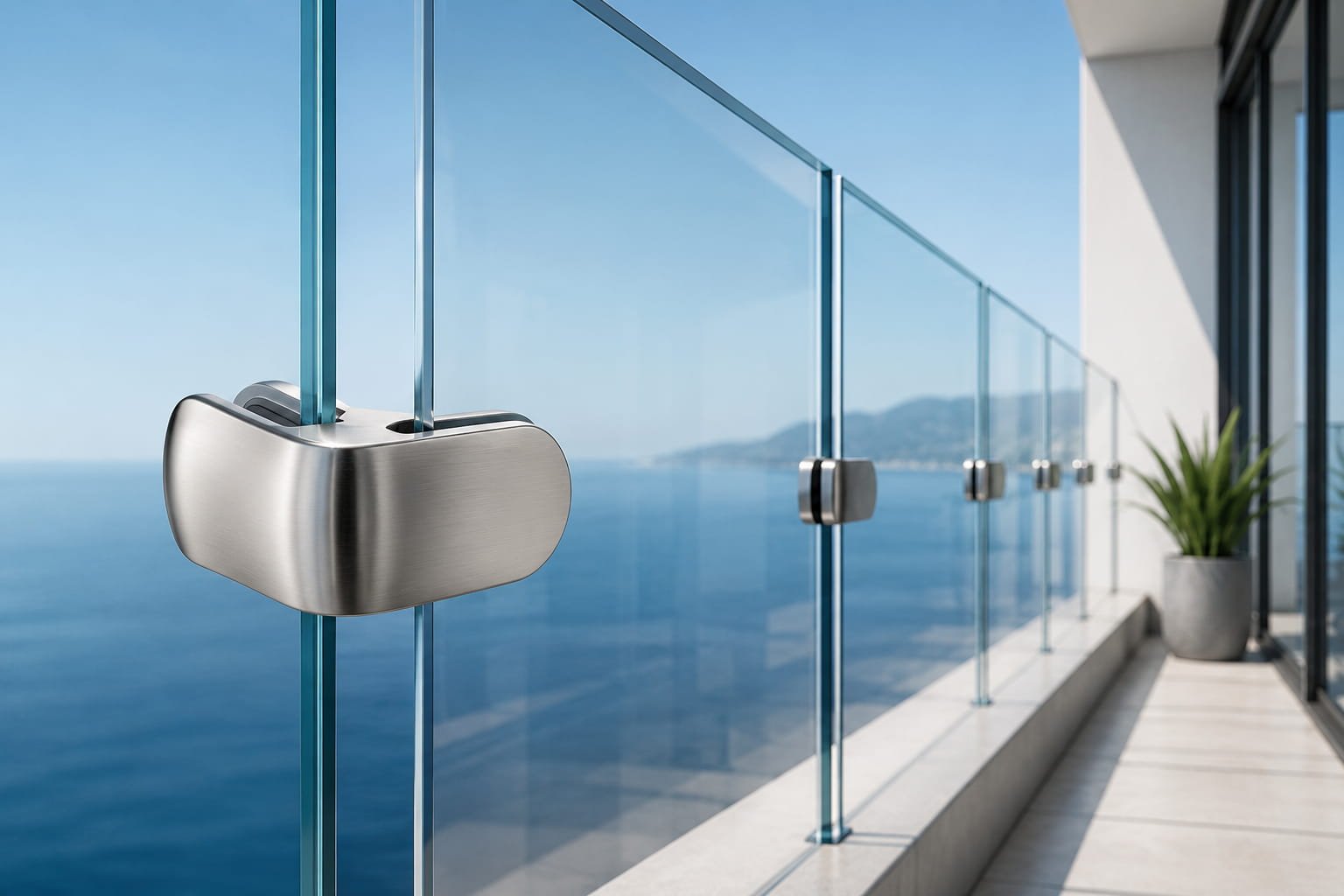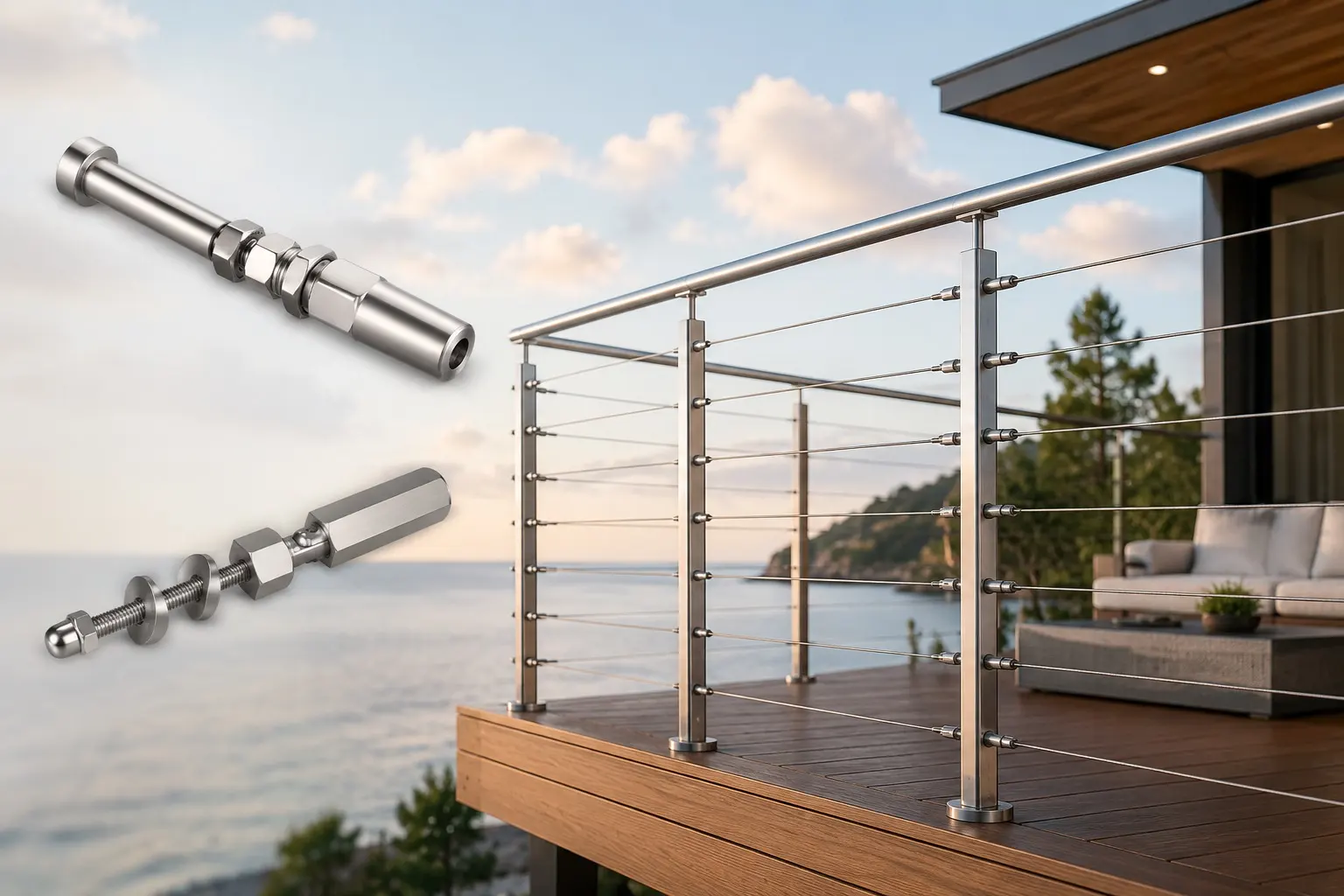
When it comes to modern residential and commercial construction, few design elements make as strong a visual and structural statement as Stainless Steel Deck Cable Railing Systems. From custom home builds to multi-unit developments, architects and general contractors are increasingly specifying cable railing over traditional balusters, glass panels, or wood spindles, and for good reason. These systems combine minimalist aesthetics with long-term durability, low maintenance demands, and design flexibility that few other railing options can match.
In this guide, we’ll break down exactly why Stainless Steel Deck Cable Railing Systems have become the go-to choice for building professionals, what to look for when sourcing materials, and how partnering with the right SS Cable Railing Supplier can make or break a project’s timeline and budget.
What Are Stainless Steel Deck Cable Railing Systems?
At their core, Stainless Steel Deck Cable Railing Systems consist of horizontal (or occasionally vertical) steel cables strung tautly between posts, replacing the need for traditional balusters or infill panels. The cables are typically tensioned using swage fittings, turnbuckles, or tensioners at each end, creating a clean, nearly invisible barrier that preserves sightlines while still meeting code-required safety standards.
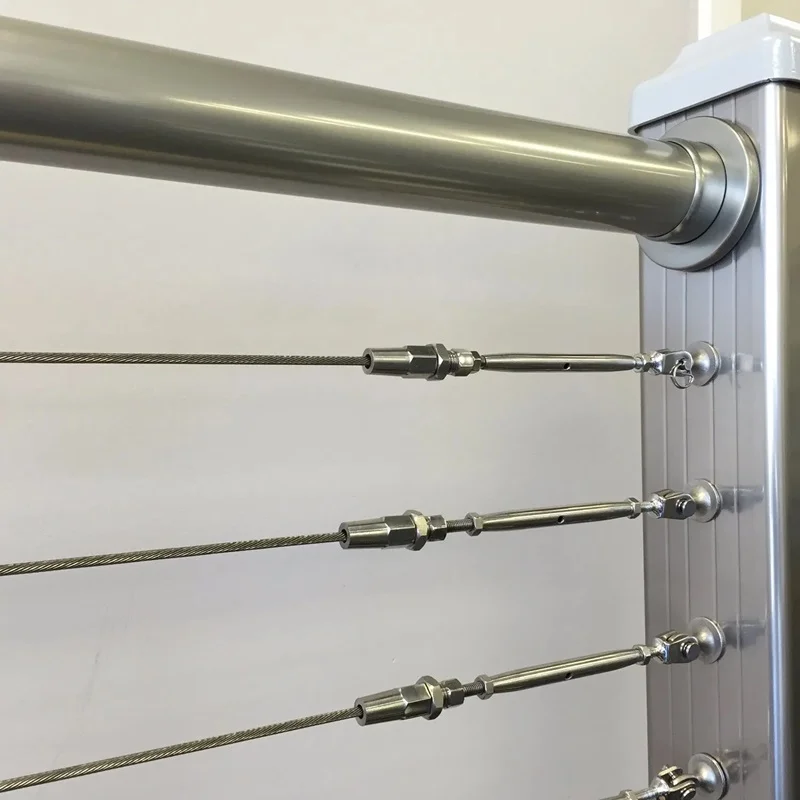
Unlike wood or vinyl railing systems, which degrade over time due to UV exposure, moisture, and temperature swings, stainless steel cable systems are engineered to withstand decades of outdoor exposure — a major reason builders across coastal, mountain, and urban markets continue to specify them for decks, balconies, stairways, and rooftop terraces.
Why Builders Prefer Stainless Steel Deck Cable Railing Systems
1. Unmatched Corrosion Resistance
One of the top reasons professionals choose Stainless Steel Deck Cable Railing Systems is corrosion resistance. Builders working in coastal regions, in particular, often specify 316 Cable Stair Deck Railing because 316-grade stainless steel contains molybdenum, which significantly improves resistance to saltwater and chloride exposure compared to standard 304-grade steel. This makes 316 the preferred choice for oceanfront properties, poolside decks, and high-humidity climates where lesser materials would rust or degrade within a few short years.
2. Minimal Maintenance, Maximum Lifespan
Architects and builders are under constant pressure to deliver projects that not only look good on completion day but continue to perform for the client long after the ribbon is cut. Stainless Steel Deck Cable Railing Systems require virtually no maintenance beyond occasional cleaning, unlike wood railing that needs re-staining or vinyl that can crack and yellow over time. This durability translates directly into fewer callbacks, fewer warranty claims, and stronger client satisfaction — all of which matter to a builder’s reputation and repeat business.
3. Sleek, Code-Compliant Aesthetics
From a design standpoint, cable railing offers something few other systems can: nearly unobstructed views. For architects designing homes with scenic backdrops — mountains, waterfronts, or skyline views — Cable Railing Systems allow the railing to disappear visually while still satisfying building code requirements for guardrail height and spacing. This makes cable railing a favorite for high-end residential builds, boutique hotels, and modern commercial properties where the view is as much a selling point as the structure itself.
4. Structural Versatility
Stainless Steel Deck Cable Railing Systems aren’t limited to straight deck runs. They can be adapted for curved staircases, angled terrain, rooftop decks, and multi-level balconies. Builders working on complex architectural projects appreciate that cable railing components — posts, tensioners, and fittings — can be customized to fit nearly any geometry, without sacrificing the clean look the system is known for.
Safety Benefits of Stainless Steel Deck Cable Railing Systems
Safety remains one of the most critical considerations in any construction project.
Builders choose Stainless Steel Deck Cable Railing Systems because they provide a secure barrier while maintaining compliance with applicable building codes.
Properly engineered cable railing systems offer:
- High tensile strength
- Structural stability
- Reliable load-bearing performance
- Secure cable tensioning
- Code-compliant spacing
Modern systems are designed to meet rigorous safety standards without compromising aesthetics.
The Role of 316 Cable Stair Deck Railing in Demanding Environments
While 304 stainless steel is a solid, cost-effective option for many inland projects, 316 Cable Stair Deck Railing has become the standard specification for projects facing harsher environmental conditions. Builders working near oceans, lakes, or in regions with heavy road salt use should always confirm the grade of stainless steel being used before installation begins.
This is where working with a knowledgeable SS Cable Railing Supplier becomes critical. Not all suppliers clearly differentiate between grades, and using 304 in an environment that demands 316 can lead to premature rusting, staining, and costly replacement — problems that reflect poorly on the builder, not just the material.
A Buyer’s Guide to Stainless Steel Cable Railing for Builders and Architects
If you’re a contractor, developer, or architect evaluating cable railing systems for an upcoming project, here’s a practical Buyer’s Guide to Stainless Steel Cable Railing to help you make an informed decision.
Know Your Steel Grade
As mentioned, 316-grade stainless steel is essential for coastal or high-moisture environments, while 304-grade may be sufficient for standard inland applications. Always request material certifications from your supplier to confirm grade authenticity.
Evaluate Cable Diameter and Tensioning Hardware
Most Cable Railing Systems use 1/8″ to 3/16″ cable, with tensioning achieved through turnbuckles or lever-style tensioners. Builders should evaluate whether a system’s hardware allows for easy on-site adjustment and re-tensioning over time, since cables can loosen slightly as a structure settles.
Confirm Code Compliance
Local building codes typically require that a 4-inch sphere cannot pass through the railing infill, and that guardrails meet minimum height requirements (usually 36″ to 42″ depending on jurisdiction). A reliable supplier will help specify post spacing and cable spacing that meets these requirements without guesswork.
Choose Post Material and Style Carefully
Posts can be stainless steel, powder-coated aluminum, or wood, depending on the desired aesthetic. For a fully cohesive stainless look, many architects pair steel posts with steel cable infill, while others mix wood or composite posts with stainless cable for a warmer, blended aesthetic.
Partner With an Experienced SS Cable Railing Supplier
Perhaps the most important factor in any successful cable railing project is the supplier relationship. An experienced SS Cable Railing Supplier does more than ship parts — they provide technical support, code guidance, custom fabrication, and dependable lead times that keep projects on schedule.
What Builders Should Look for in an SS Cable Railing Supplier
Given how much a project’s success depends on material quality and supplier reliability, builders and architects should evaluate potential suppliers on the following criteria:
- Material Certification – Does the supplier provide documentation confirming 304 vs. 316 grade steel?
- Custom Fabrication Capability – Can they accommodate curved runs, custom post heights, or non-standard spacing?
- Bulk and Contractor Pricing – Does the supplier offer volume discounts for multi-unit or commercial projects?
- Lead Times – Can they reliably meet project deadlines without delaying installation crews?
- Technical Support – Will they assist with code compliance, layout planning, or troubleshooting during installation?
Builders who work with a supplier that checks all these boxes reduce project risk significantly, avoid costly delays, and deliver a finished product that satisfies both code inspectors and clients.
The Future of Stainless Steel Deck Cable Railing Systems
The demand for modern architectural solutions continues to grow worldwide. As design trends move toward transparency, minimalism, and sustainability, Stainless Steel Deck Cable Railing Systems are expected to remain a leading choice for construction professionals.
Advancements in manufacturing technology, engineering design, and customization capabilities are further expanding the applications of cable railing systems.
Builders and architects increasingly recognize that cable railings are more than a design feature—they are a strategic investment that enhances property value, improves safety, and supports long-term project success.
Why This Matters for Your Next Project
Whether you’re an architect specifying materials for a luxury coastal home, a general contractor managing a multi-unit development, or a deck-building specialist serving residential clients, the choice of railing system has a direct impact on project cost, timeline, and long-term client satisfaction.
Stainless Steel Deck Cable Railing Systems consistently outperform alternative materials in durability, aesthetics, and code compliance — making them a smart specification for nearly any outdoor railing application. And when the environment calls for it, 316 Cable Stair Deck Railing provides the added corrosion resistance necessary to protect your investment for decades.
Final Summary
As modern construction continues to prioritize durability, safety, and sophisticated design, Stainless Steel Deck Cable Railing Systems have become a preferred choice for builders, architects, and developers worldwide. Their sleek appearance, unobstructed views, corrosion resistance, and low maintenance requirements make them an ideal solution for both residential and commercial applications. Whether incorporating 316 Cable Stair Deck Railing in coastal environments or specifying advanced Cable Railing Systems for large-scale developments, professionals can rely on stainless steel solutions to deliver long-term performance and aesthetic value. By partnering with a trusted SS Cable Railing Supplier and following a comprehensive Buyer’s Guide to Stainless Steel Cable Railing, project stakeholders can ensure quality, compliance, and lasting return on investment. Ultimately, Stainless Steel Deck Cable Railing Systems offer the perfect balance of form and function, helping create safer, more attractive, and future-ready spaces.
FAQs
What are Stainless Steel Deck Cable Railing Systems?
Stainless Steel Deck Cable Railing Systems are modern railing solutions that use stainless steel posts and tensioned steel cables instead of traditional balusters or pickets. They provide safety while maintaining open views, making them ideal for decks, balconies, stairways, and outdoor living spaces.
Why do builders prefer Stainless Steel Deck Cable Railing Systems?
Builders choose Stainless Steel Deck Cable Railing Systems because they offer exceptional durability, low maintenance, code-compliant safety, and a modern appearance. Their long lifespan and resistance to corrosion also help reduce long-term maintenance and replacement costs.
Why are Stainless Steel Deck Cable Railing Systems popular among architects?
Architects favor Stainless Steel Deck Cable Railing Systems because they support contemporary designs with clean lines and minimal visual obstruction. The sleek cable design preserves scenic views and enhances the overall aesthetic of residential and commercial projects.
Are Stainless Steel Deck Cable Railing Systems suitable for coastal environments?
Yes. When manufactured with Grade 316 stainless steel, Stainless Steel Deck Cable Railing Systems offer excellent resistance to corrosion caused by saltwater, humidity, and harsh weather conditions, making them ideal for coastal and waterfront properties.