Swimming pools have evolved from being simple recreational spaces into luxurious lifestyle features. Today, homeowners and commercial property developers are increasingly turning to glass pool fencing spigot systems to achieve a sleek, modern, and safe pool environment. Stainless steel pool fence glass spigots are at the heart of this transformation, offering durability, elegance, and compliance with safety standards.
In this article, we’ll explore everything you need to know about stainless steel glass spigots for pool fencing — from design benefits and installation to maintenance and regulations.
Why Choose Glass Pool Fencing Spigot Systems?
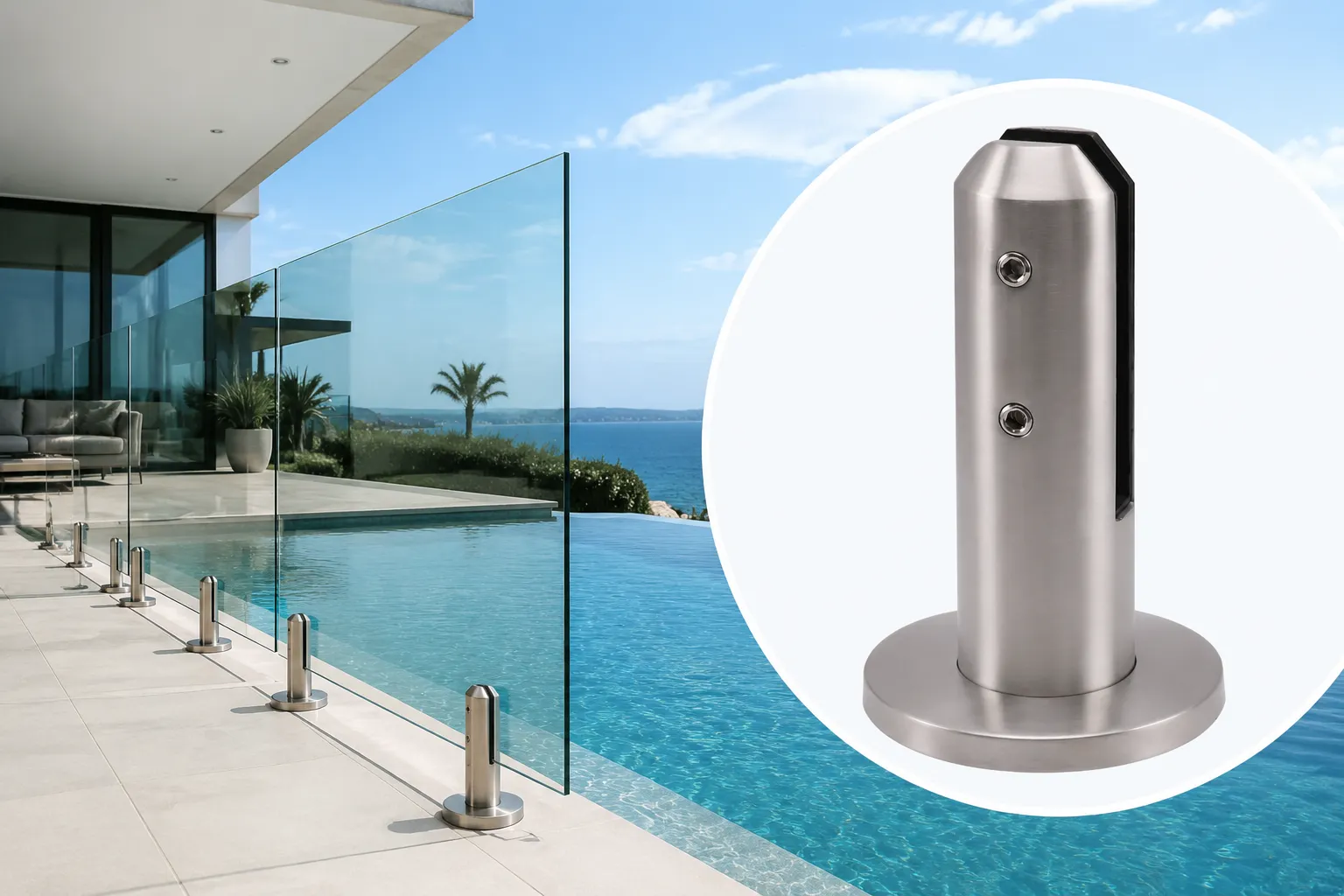
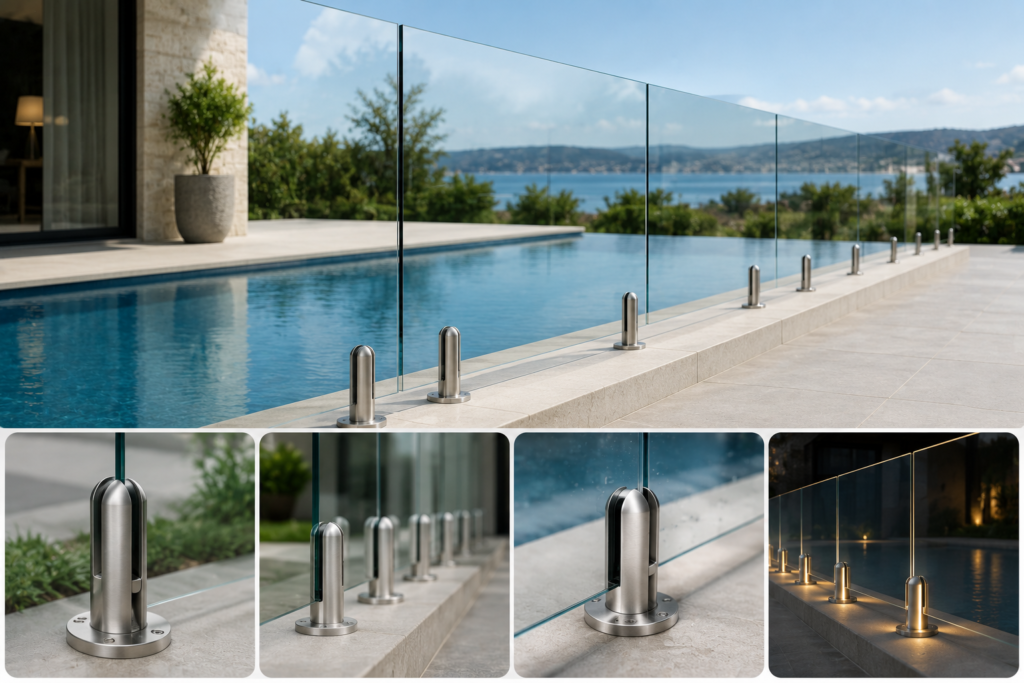
The glass pool fencing spigot is a small but critical component that secures frameless glass panels around swimming pools. Unlike bulky frames, spigots allow the glass to stand independently, creating a seamless and unobstructed view.
Key Benefits
- Modern Aesthetics: Frameless glass fencing supported by stainless steel spigots delivers a minimalist look that complements contemporary architecture.
- Safety Compliance: Glass fencing with spigots meets pool safety regulations, preventing accidental falls while maintaining visibility.
- Durability: Stainless steel resists corrosion, making it ideal for humid and chemical-rich pool environments.
- Easy Maintenance: With fewer structural elements, cleaning and upkeep are straightforward.
For a deeper dive into installation and safety standards, check out frameless glass pool fence regulations and installation guide.
Stainless Steel vs. Other Materials
When selecting spigots, material choice is crucial. Stainless steel stands out compared to aluminum or coated metals.
| Material | Durability | Corrosion Resistance | Aesthetic Appeal |
|---|---|---|---|
| Stainless Steel | High | Excellent | Sleek, modern finish |
| Aluminum | Moderate | Good but weaker in chemical exposure | Less premium look |
| Powder-Coated Steel | Moderate | Depends on coating | Limited design options |
Stainless steel spigots, such as those offered at Unikim’s stainless steel pool fence spigots, are the preferred choice for long-term performance.
How Glass Pool Fencing Spigots Work
A glass pool fencing spigot is a specialized stainless steel fitting designed to hold glass panels upright without bulky posts or rails. Each spigot acts as a self-contained anchor, either core-drilled into concrete or surface-mounted onto decking, depending on the installation method. Once installed, the glass panel slides into the spigot’s slot and is locked in place using an internal clamping mechanism. This ensures the panel remains stable under wind, impact, or accidental contact.
The spigot’s base plate distributes weight evenly across the deck, while hidden bolts provide a clean, minimalist look. High-quality stainless steel spigots are resistant to chlorine, saltwater, and UV exposure, making them ideal for long-term use in pool environments. Most spigots are designed to fit 10–12mm tempered glass panels, ensuring compliance with international pool safety standards.
Unlike traditional fences, frameless glass systems rely entirely on spigots for structural support. This design delivers unobstructed views, enhances safety by keeping swimmers visible, and elevates the pool’s aesthetic appeal. For a complete breakdown of spigot types and installation methods, visit Unikim’s glass pool fence spigots guide.
External resources such as Spigot Factory’s complete guide also provide detailed insights into how spigots function and why they are the preferred choice for modern frameless pool fencing.
Pool Chemicals and Spigot Longevity
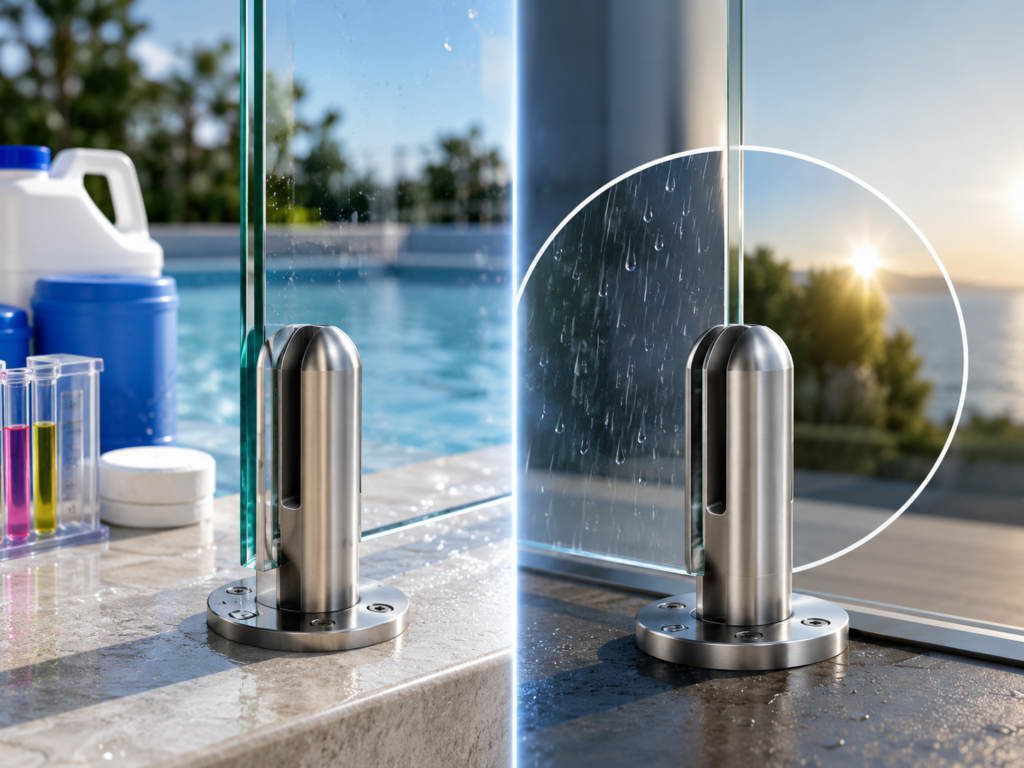
Swimming pools rely on chemicals like chlorine to maintain hygiene, but these same agents can shorten the lifespan of metal hardware. Glass pool fencing spigots are constantly exposed to moisture, chemical residues, and temperature changes. Over time, this environment can cause surface discoloration, rust formation, and pitting corrosion if the spigots are made from lower-grade stainless steel.
Saltwater pools, while gentler on swimmers, are particularly aggressive toward spigots. When saltwater dries, it leaves behind mineral deposits that attack the protective chromium oxide layer of stainless steel. This leads to tea staining — a reddish-brown discoloration that compromises both aesthetics and durability.
To maximize longevity, experts recommend regular rinsing with fresh water and selecting high-quality stainless steel grades such as SS316 or duplex 2205, which offer superior resistance to chloride-induced corrosion.
For a detailed breakdown of chemical impacts, see Pool Chemicals and Your Glass Spigot. Additional insights on stainless steel grades and corrosion resistance are available in Aleader Machinery’s guide on marine-grade stainless steel.
Design Trends in Modern Swimming Pools
Glass fencing supported by stainless steel spigots is not just functional — it’s a design statement.
- Frameless Elegance: Creates an uninterrupted view of the pool and landscape.
- Luxury Appeal: Often seen in resorts and high-end residences.
- Safety with Style: Transparent fencing ensures children are visible while maintaining aesthetics.
Explore frameless glass railing systems for pools for inspiration.
Installation Considerations
Installing a glass pool fencing spigot system requires careful planning to ensure safety, durability, and compliance with local regulations. The first step is preparing the surface — concrete slabs or decking must be level and strong enough to support the weight of tempered glass panels. Spigots are typically spaced 900–1200mm apart, ensuring stability while maintaining a frameless look. Core-drilled spigots provide maximum strength when embedded into concrete, while surface-mounted spigots are ideal for tiled or timber decks. Adjustable spigots allow fine-tuning of glass alignment, ensuring panels remain perfectly vertical.
It’s also essential to check compliance with pool safety standards, which vary by region. Professional installation is recommended to guarantee structural integrity and long-term performance. For a detailed breakdown of installation methods and safety requirements, see Unikim’s Glass Pool Fence Spigots Guide and Frameless Glass Pool Fence Regulations and Installation Safety Guide.
Professional installation ensures safety and longevity. For product details, see stainless steel glass pool fencing spigot for swimming pools.
Maintenance Tips
Proper maintenance ensures your glass pool fencing spigot remains durable and visually appealing for years. Stainless steel is highly resistant to corrosion, but exposure to chlorine and saltwater can still cause tea staining or surface discoloration if neglected. To prevent this, rinse spigots weekly with fresh water to remove chemical residue. Use a mild detergent and a soft cloth monthly to maintain shine, avoiding abrasive cleaners that scratch the steel. Annual inspections of bolts and fittings help ensure safety compliance and structural stability.
For a detailed guide, see Unikim’s spigot maintenance tips. Additional insights on stainless steel care are available from Unikim China’s stainless steel resources.
Summary
Stainless steel glass pool fencing spigot systems are the ultimate solution for modern swimming pools. They combine safety, durability, and elegance, transforming pools into luxurious lifestyle spaces. Whether for residential or commercial projects, investing in high-quality spigots ensures compliance, longevity, and unmatched aesthetics.
For more details, explore Unikim’s product catalog or contact the team via contact page.
FAQs
Q: What is a glass pool fencing spigot?
A: A glass pool fencing spigot is a stainless steel clamp that secures frameless glass panels around pools, ensuring safety and modern aesthetics.
Q: Are stainless steel spigots resistant to pool chemicals?
A: Yes, stainless steel spigots are highly resistant to chlorine and saltwater, making them ideal for long-term use in pool environments.
Q: How many spigots are needed for a pool fence?
A: Typically, spigots are spaced 900–1200mm apart. The exact number depends on pool size and glass panel dimensions.
Q: Can I install glass pool fencing spigots myself?
A: DIY installation is possible, but professional installation ensures compliance with safety regulations and proper alignment.
Q: Do glass pool fencing spigots meet safety standards?
A: Yes, when installed correctly, glass pool fencing spigot systems meet international pool safety standards.
Q: How do I maintain stainless steel spigots?
A: Regular rinsing, gentle cleaning, and annual inspections keep stainless steel spigots in excellent condition.