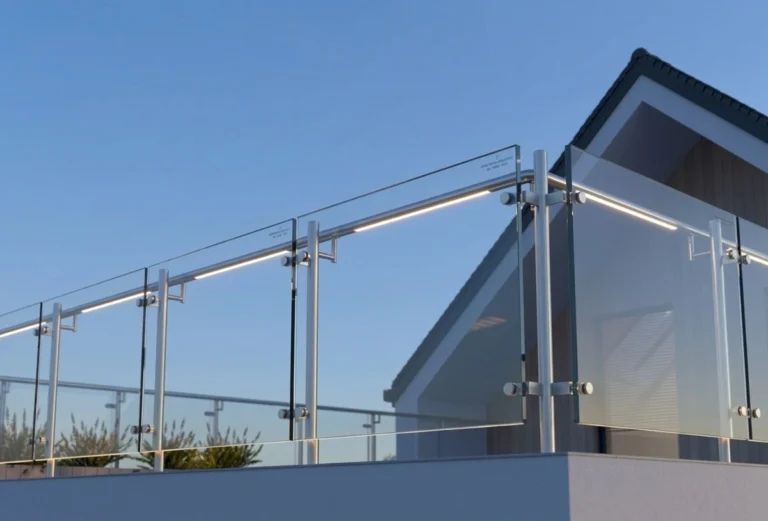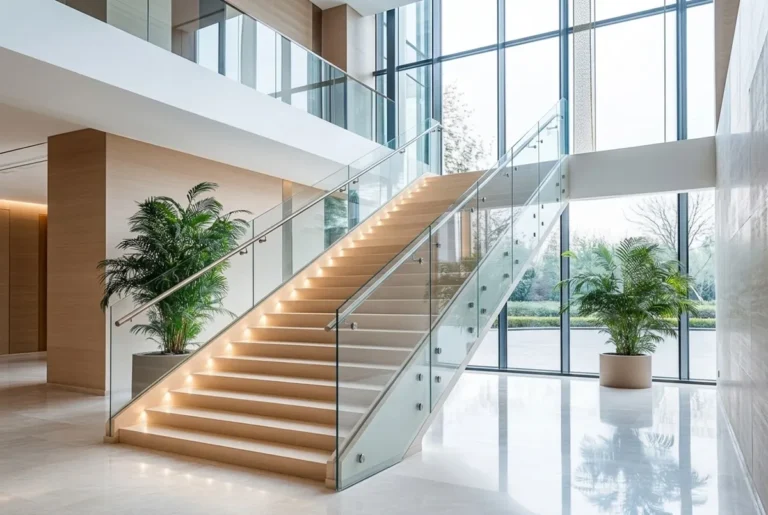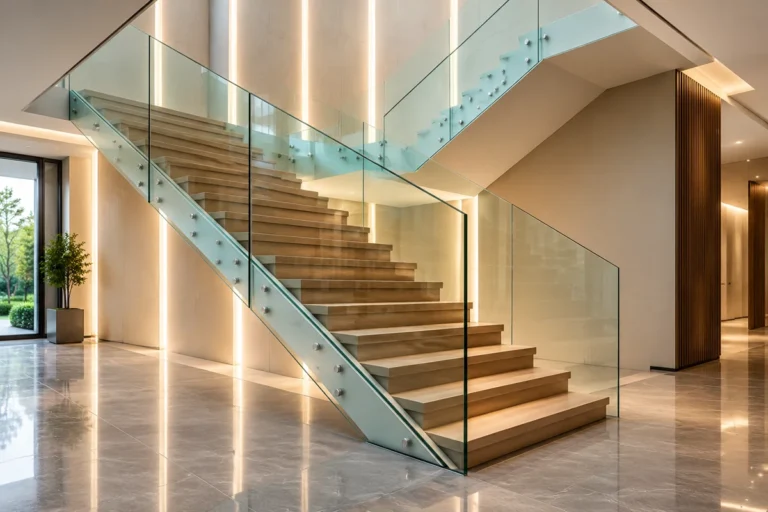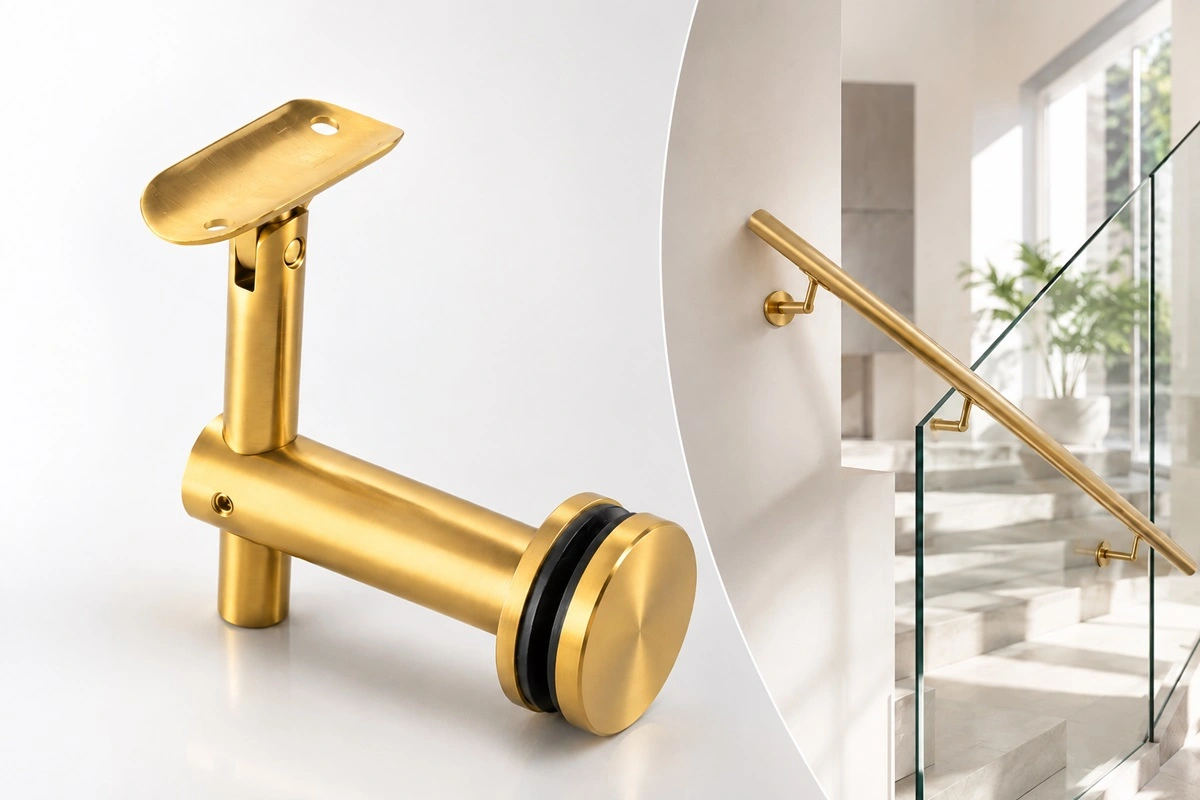
Installing external stainless steel handrail brackets is one of the most effective ways to enhance safety, durability, and aesthetics in staircases and outdoor railing systems. Whether you are a homeowner, contractor, or architect, understanding the correct installation process and choosing the right stainless steel fittings for stair projects can make all the difference in both functionality and long-term performance.
Why Stainless Steel Fittings for Stair Projects?
When it comes to stair safety and design, stainless steel fittings stand out as the most reliable choice. Unlike wood or aluminum, stainless steel offers unmatched durability, resisting corrosion and wear even in challenging environments. This makes it particularly valuable for outdoor staircases where exposure to rain, humidity, and temperature changes can quickly damage other materials.
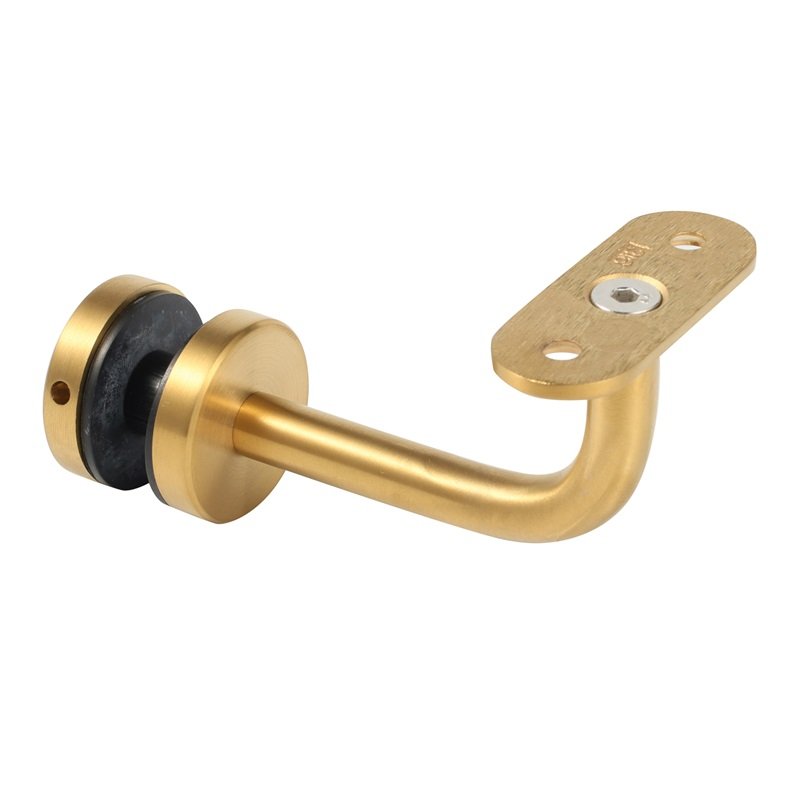
Another reason stainless steel is preferred is its sleek, modern appearance. It blends seamlessly with contemporary architecture, adding both functionality and style. Homeowners and contractors often choose stainless steel fittings because they require minimal maintenance—just occasional cleaning with mild soap and water keeps them looking polished for years.
From a safety perspective, stainless steel fittings provide strong support, reducing the risk of accidents on stairs. They also comply with international safety standards, ensuring installations meet building codes. For those considering upgrades, Urailing offers a wide range of options, including stainless steel handrail fittings and stainless steel handrail tube stair railing.
You can visit a wide range of fittings at Urailing’s stainless steel handrail fittings collection.
Choosing the Right Handrail Brackets
Selecting the correct handrail brackets is one of the most important steps in building a safe and stylish railing system. The choice depends on where the handrail will be installed, the type of stainless steel used, and the overall design of the staircase. For indoor applications, 304 stainless steel brackets are often sufficient, offering durability and a polished finish. However, for outdoor staircases exposed to rain, humidity, or coastal air, 316 stainless steel brackets are the superior option because of their enhanced corrosion resistance.
Another factor to consider is the mounting style. Wall-mounted brackets are ideal for staircases running alongside walls, while post-mounted brackets provide support when the railing is free-standing. Adjustable angle brackets are especially useful for staircases with varying slopes, ensuring a secure fit. Proper spacing is also critical—brackets should be installed every 3–4 feet to maintain stability and safety.
For a detailed comparison of available options, explore unikim’s 304 & 316 handrail brackets and their guide on indoor vs outdoor stainless steel handrail brackets. These resources will help you make an informed decision and ensure your stainless steel fittings for stair projects meet both safety standards and aesthetic goals.
Step-by-Step Guide: Installing External Stainless Steel Handrail Brackets
Step 1: Measure and Plan
Accurate measurement is the foundation of a safe installation. Determine the height of the handrail, typically between 34–38 inches above the stair nosing, in compliance with international safety standards. Refer to Urailing’s handrail post bracket safety standards guide for detailed regulations.
Step 2: Mark Bracket Positions
Mark the bracket positions along the wall or posts. For stairs, brackets should be spaced every 3–4 feet to ensure stability. Always place one bracket within 6 inches of each end of the handrail.
Step 3: Drill Holes
Use a power drill with stainless steel-compatible bits. Ensure the holes are aligned properly to avoid uneven railing installation.
Step 4: Secure Brackets
Attach the brackets using stainless steel screws and anchors. For outdoor installations, opt for 316-grade stainless steel, which offers maximum corrosion resistance.
Step 5: Attach the Handrail
Slide the handrail tube into the bracket connector. Tighten screws firmly but avoid over-tightening, which may damage the fittings. Explore Urailing’s stainless steel slot tube balustrade handrail fitting for seamless connections.
Step 6: Final Inspection
Check alignment, stability, and finish. Ensure there are no sharp edges or loose fittings. A well-installed handrail should feel solid and secure when pressure is applied.
Stainless Steel Grades: 304 vs 316
| Grade | Best Use | Corrosion Resistance | Cost |
|---|---|---|---|
| 304 Stainless Steel | Indoor staircases, mild climates | Moderate | Lower |
| 316 Stainless Steel | Outdoor staircases, coastal areas | High | Higher |
For outdoor projects, 316 stainless steel is strongly recommended. Learn more about the best stainless steel for handrails to make an informed choice.
Some Mistakes to Avoid
Even though installing stainless steel handrail brackets may seem straightforward, there are several common mistakes that can compromise both safety and aesthetics. One of the most frequent errors is skipping precise measurements. If the railing height is inconsistent, it can fail to meet safety standards and look uneven. Always follow guidelines such as those outlined in Unikim’s handrail post bracket safety standards guide to ensure compliance.
Another mistake is using the wrong type of screws or anchors. Non-stainless steel fasteners can rust quickly, weakening the entire system. For outdoor projects, always choose 316 stainless steel fittings, which are designed to resist corrosion in harsh environments.
Many installers also forget to account for the slope of staircases, leading to misaligned brackets. Adjustable angle brackets, like those found in Urailing’s stainless steel handrail fittings connector, solve this problem by adapting to different stair angles.
Benefits of External Stainless Steel Handrail Brackets
External stainless steel handrail brackets deliver a combination of safety, durability, and modern design that makes them the preferred choice for both residential and commercial staircases. One of the most significant benefits is long-term corrosion resistance. Unlike other materials, stainless steel withstands rain, humidity, and UV exposure without losing strength or appearance. This ensures that your stair railing remains secure and visually appealing for decades.
Another advantage is enhanced safety. Properly installed brackets provide stable support, reducing the risk of slips and falls. They also comply with international building codes, making them suitable for public spaces as well as private homes. In addition, stainless steel brackets are low maintenance—a simple cleaning routine keeps them polished and functional.
From an aesthetic perspective, stainless steel offers a sleek, modern look that complements contemporary architecture. It can be paired with different railing designs, including slot tube balustrades and stair railing systems. For more details, explore Urailing’s best removable handrail brackets guide and their stainless steel slot tube balustrade handrail fitting.
Summary
External stainless steel handrail brackets is a straightforward process that significantly enhances safety and aesthetics. By choosing the right stainless steel fittings for stair projects, homeowners and contractors can ensure durability, compliance with safety standards, and a modern finish.
Whether you opt for 304 or 316 stainless steel, proper installation and maintenance will guarantee long-lasting performance. For more resources, visit Urailing’s blog or contact their team via the contact page.
FAQs
Q: How do I choose the right stainless steel fittings for stair projects?
A: Choose fittings based on location. For outdoor stairs, 316 stainless steel fittings for stair projects are best due to their corrosion resistance.
Q: Can I install stainless steel handrail brackets without professional help?
A: Yes, with proper tools and planning, DIY installation is possible. However, using stainless steel fittings for stair projects requires precision to meet safety standards.
Q: What is the difference between 304 and 316 stainless steel fittings for stair handrails?
A: 304 is suitable for indoor use, while 316 is ideal for outdoor staircases. Both are strong, but 316 stainless steel fittings for stair projects resist saltwater corrosion better.
Q: How often should I maintain stainless steel handrail brackets?
A: Minimal maintenance is needed. Clean brackets every few months with mild detergent. Regular care ensures stainless steel fittings for stair installations remain polished and rust-free.
Q: Are stainless steel fittings for stair handrails cost-effective?
A: Yes. While initial costs may be higher, stainless steel fittings for stair projects last longer than wood or aluminum, reducing replacement expenses.