Many homeowners spend considerable time selecting the perfect handrail material, finish, and design. However, they often overlook one of the most important components in the entire system: the handrail brackets and supports.
These small but essential pieces of hardware play a major role in safety, structural performance, code compliance, and long-term durability. Whether you’re installing a staircase handrail, a balcony guardrail, or a commercial walkway system, choosing the correct brackets and supports can make the difference between a secure installation and a future maintenance problem.
Modern railing systems have evolved significantly over the last decade. Today’s hardware options offer improved strength, corrosion resistance, easier installation, and cleaner aesthetics than ever before.
In this guide, you’ll learn how handrail brackets and supports work, what materials perform best, how to select hardware for different environments, and which factors should influence your purchasing decision.
For homeowners, builders, and architects looking for premium railing solutions, unikim offers a wide range of railing products and hardware designed for both residential and commercial applications.
Why Handrail Brackets and Supports Matter
When people think about a railing system, they usually focus on the visible components. The handrail itself often receives most of the attention.
Yet the hidden hardware behind the installation is equally important.
Brackets and supports connect the handrail to walls, posts, glass panels, or structural framing. Their primary job is to transfer loads safely while maintaining stability.
Without properly selected hardware, even the highest-quality handrail can become loose, unsafe, or structurally compromised.
Building codes throughout the world require handrails to withstand significant force. In many regions, handrails must support concentrated loads of at least 200 pounds applied in various directions.
Because of these requirements, selecting reliable hardware should never be treated as an afterthought.
Different Types of Handrail Brackets and Supports
Not all brackets serve the same purpose. The type of hardware required depends on the railing design, installation surface, and intended use.
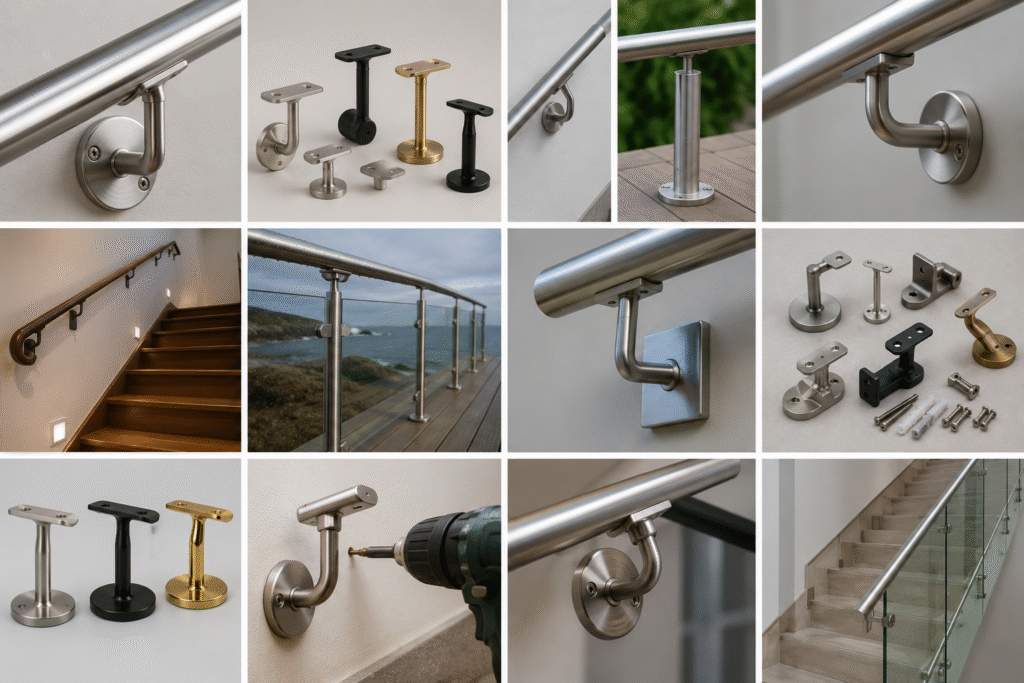
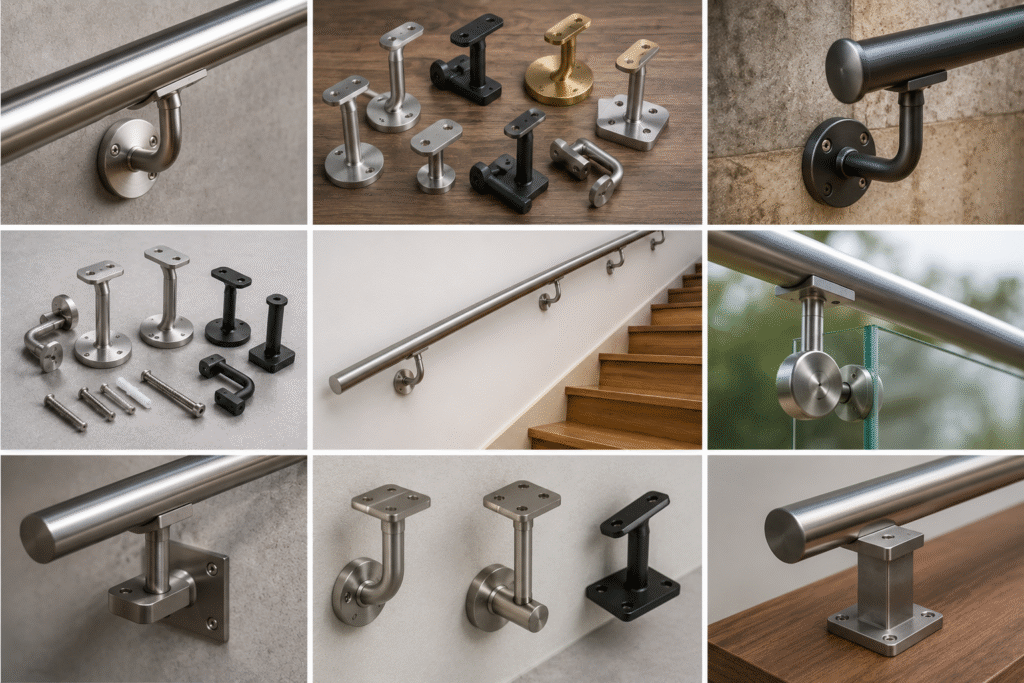
Wall-mounted brackets remain among the most common options. These supports attach directly to structural walls and hold the handrail at a specified distance from the mounting surface.
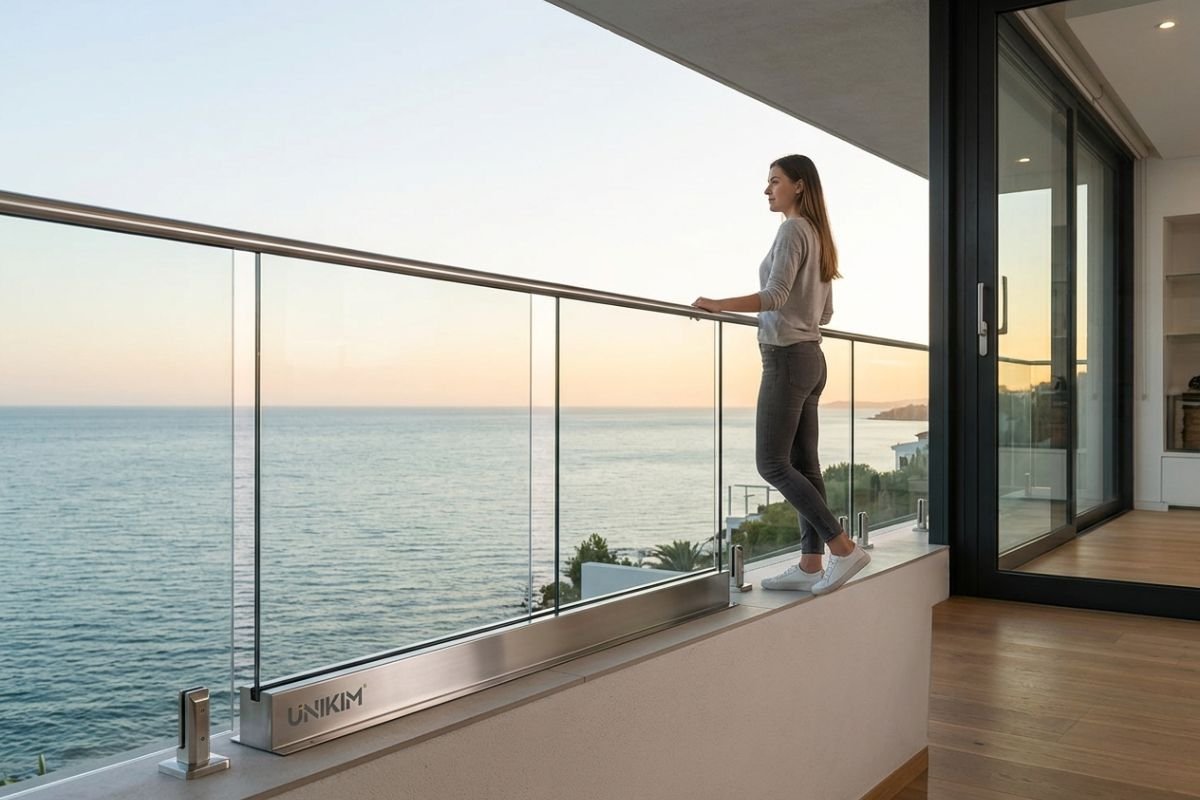
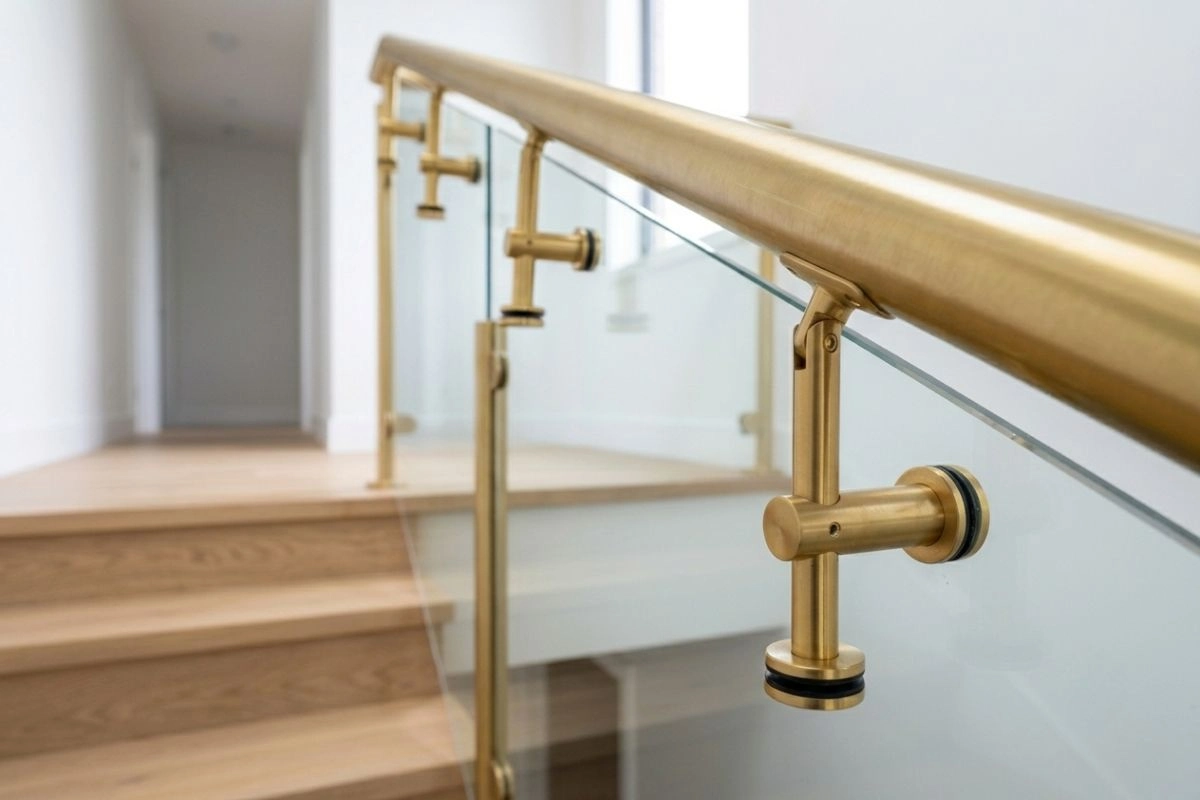
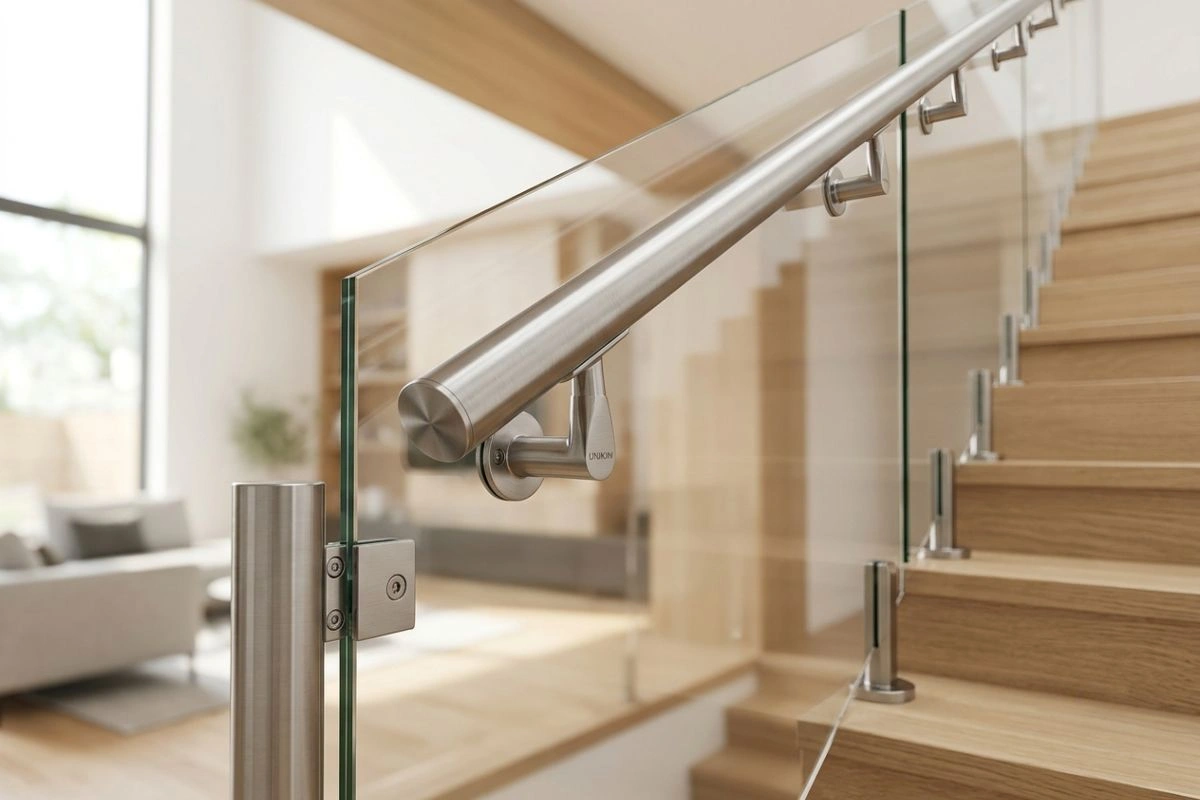
Post-mounted brackets connect handrails directly to railing posts. These are frequently used in stainless steel and glass railing systems.
Adjustable brackets allow installers to accommodate angled staircases and unique architectural layouts. Meanwhile, removable brackets provide flexibility for applications where temporary access or future modifications may be necessary.
Property owners interested in flexible installation solutions can learn more through removable handrail brackets for residential commercial use.
Materials Used in Handrail Brackets and Supports
Material selection has a direct impact on strength, maintenance requirements, and longevity.
The most common materials include stainless steel, aluminum, zinc alloys, and powder-coated steel.
Among these options, stainless steel continues to dominate premium residential and commercial projects.
Stainless Steel Brackets
Stainless steel offers an outstanding combination of durability and aesthetics. Because stainless steel naturally resists corrosion, it performs exceptionally well in both indoor and outdoor environments.
Its clean appearance also complements modern architectural styles, particularly when paired with glass railing systems. High-quality stainless steel hardware often lasts decades with minimal maintenance.
Many designers choose stainless steel systems similar to those featured in best stainless steel handrail system because they provide both structural reliability and contemporary visual appeal.
Aluminum Brackets
Aluminum brackets offer several advantages. They weigh significantly less than stainless steel, making installation easier. Aluminum also resists corrosion naturally and performs well in humid environments.
Additionally, aluminum often costs less than stainless steel. For projects where budget and ease of installation are priorities, aluminum can be a practical solution.
However, stainless steel generally provides greater strength and a more premium appearance. Homeowners comparing materials can explore the differences in greater detail through stainless steel vs aluminum handrail post brackets.
Powder-Coated Steel Brackets
Powder-coated steel hardware remains popular in residential construction. The powder coating creates a protective barrier that improves durability and appearance.
These brackets can perform well indoors and in covered outdoor locations. However, if the coating becomes damaged, corrosion may eventually develop. For harsh outdoor environments, stainless steel usually offers better long-term performance.
How to Choose Handrail Brackets and Supports for Different Environments
Environmental conditions should always influence hardware selection. Indoor installations face relatively few challenges. Moisture exposure remains limited, and temperature fluctuations are generally moderate. Outdoor installations present a different situation entirely.
Rain, humidity, UV exposure, airborne pollutants, and temperature changes place additional stress on railing hardware. Coastal properties create even greater demands because salt exposure accelerates corrosion. For these environments, stainless steel remains one of the most reliable choices.
Property owners evaluating exterior installations can benefit from the insights provided in stainless steel handrail brackets indoor vs outdoor.
Residential vs Commercial Hardware Requirements
Residential and commercial projects often require different levels of performance. In a typical home, handrails experience moderate daily use. Commercial facilities such as office buildings, shopping centers, hotels, and educational institutions face much heavier traffic.
This increased usage creates higher structural demands. Commercial-grade handrail brackets and supports typically feature thicker materials, stronger fasteners, and enhanced load capacities.
While residential hardware may satisfy minimum code requirements, commercial environments often benefit from more robust solutions.
Safety Standards and Building Code Considerations
Safety should always guide hardware selection. Most building codes establish specific requirements related to handrail strength, mounting methods, spacing, and height. Failure to comply can create liability risks and potentially require costly modifications later.
For example, improper bracket spacing may allow excessive handrail movement during use. Similarly, weak fasteners can compromise the entire system regardless of bracket quality.
Before purchasing hardware, always verify applicable local regulations. Additional guidance can be found through handrail post bracket safety standards guide.
Fixed vs Removable Handrail Brackets and Supports
One of the most common decisions involves choosing between fixed and removable hardware. Fixed brackets provide maximum structural stability.
Because they remain permanently attached, they are often preferred for high-traffic areas and long-term installations.
Removable brackets offer greater flexibility. These systems allow handrails to be detached when temporary access is required.
Healthcare facilities, event venues, and certain residential applications frequently utilize removable systems. Property owners evaluating these options can review examples available through best removable handrail brackets residential commercial.
Comparing Popular Handrail Hardware Options
| Feature | Stainless Steel | Aluminum | Powder-Coated Steel |
|---|---|---|---|
| Corrosion Resistance | Excellent | Excellent | Good |
| Strength | Excellent | Good | Very Good |
| Maintenance | Low | Low | Moderate |
| Appearance | Premium | Modern | Traditional |
| Lifespan | 20-50+ Years | 20-30+ Years | 10-20+ Years |
| Outdoor Suitability | Excellent | Excellent | Moderate |
This comparison highlights why stainless steel remains one of the most popular materials for premium railing installations.
Installation Factors That Affect Hardware Performance
Even the highest-quality bracket can fail if installation is poor. Proper anchoring is essential. Installers must ensure brackets connect to structural framing rather than decorative finishes alone.
Fastener selection also matters. Stainless steel screws and anchors often provide superior corrosion resistance and long-term durability. Spacing should follow manufacturer recommendations and applicable building codes.
Attention to these details helps maximize safety and performance.
Design Trends in Modern Handrail Systems
Contemporary architecture increasingly favors clean, minimalist railing systems. This trend has influenced hardware design significantly. Today’s handrail brackets and supports often feature concealed fasteners, streamlined profiles, and polished finishes.
Stainless steel remains particularly popular because it complements glass, metal, wood, and mixed-material railing systems.
Manufacturers continue introducing innovative products that improve aesthetics while simplifying installation. Industry professionals frequently monitor developments through resources such as unikimchina.en.made-in-china.
Many also follow installation demonstrations and product showcases available through youtube.@unikimrailings8270. These resources provide valuable insight into current railing hardware trends.
Cost Considerations When Choosing Hardware
Price should never be the only factor when selecting hardware. Low-cost brackets may reduce upfront expenses but often increase maintenance costs later.
Higher-quality stainless steel hardware generally costs more initially. However, it frequently delivers better long-term value because of its durability and reduced maintenance requirements. When evaluating costs, consider the entire lifecycle of the railing system rather than focusing solely on purchase price.
In many cases, investing in premium hardware saves money over time.
How to Select the Best Handrail Brackets and Supports
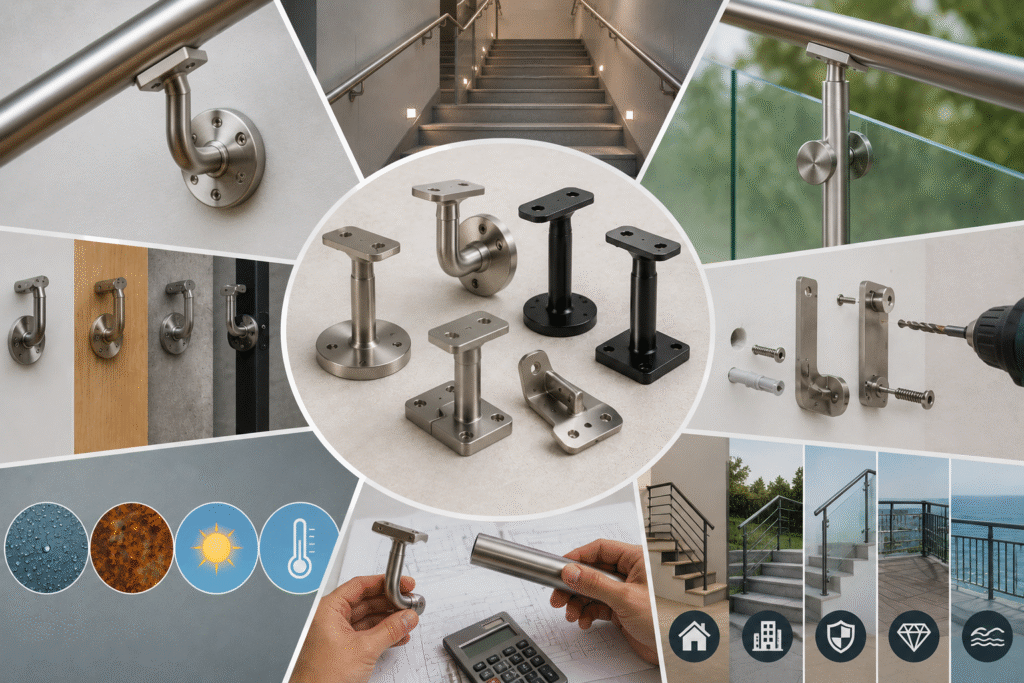
The ideal hardware depends on several factors. Consider where the railing will be installed. Indoor and outdoor environments require different levels of corrosion resistance.
Evaluate expected usage levels. Commercial spaces often demand stronger hardware than residential applications. Think about maintenance expectations. Some property owners prefer solutions requiring minimal upkeep. Finally, ensure compatibility with the chosen handrail material and overall design aesthetic.
Balancing these factors helps create a safe, attractive, and long-lasting railing system.
Summary
Choosing the right handrail brackets and supports is essential for creating a railing system that remains safe, attractive, and durable for years.
While various materials and designs are available, stainless steel hardware continues to set the standard for strength, corrosion resistance, and long-term value. Understanding environmental conditions, safety requirements, installation methods, and maintenance expectations will help you select the ideal solution.
For expert guidance, premium railing hardware, and customized project support, visit unikim or contact the team directly at contact.
FAQs
Q: Why are handrail brackets and supports important?
A: Proper handrail brackets and supports provide structural stability, improve safety, and help ensure compliance with building codes.
Q: What material is best for handrail hardware?
A: For most projects, stainless steel handrail brackets and supports offer the best combination of strength, corrosion resistance, and longevity.
Q: Can handrail brackets be used outdoors?
A: Yes. Outdoor handrail brackets and supports are specifically designed to withstand weather exposure, particularly when made from stainless steel or aluminum.
Q: Are removable handrail brackets safe?
A: When properly engineered and installed, removable handrail brackets and supports can provide excellent safety while allowing flexibility when needed.
Q: How often should handrail hardware be inspected?
A: Most handrail brackets and supports should be inspected annually to identify loose fasteners, corrosion, or wear before problems develop.
Q: Do building codes regulate handrail brackets?
A: Yes. Many regulations establish requirements related to handrail brackets and supports, including load capacity, spacing, and installation methods.